
Sonic Youth: Pioneers of American Noise Rock and Alternative Guitar
Sonic Youth, formed in New York City in 1981, are an experimental rock band noted for alternative guitar tunings, No Wave roots, and a major influence on indie and alternative rock movements.
Overview
Sonic Youth are an American rock group formed in New York City in 1981. Emerging from the downtown art and underground music scene, they combined elements of punk, No Wave, avant-garde composition and experimental noise to create a distinct sound that influenced alternative and indie rock. The band's public profile grew through albums, energetic live shows and an artistic approach that treated the guitar as a source of texture as well as melody. Contemporary descriptions often identify them as part of the first wave of American noise rock, though their sound consistently transcended simple genre labels. rock band and New York City are core to their origin story.
Image gallery
8 Images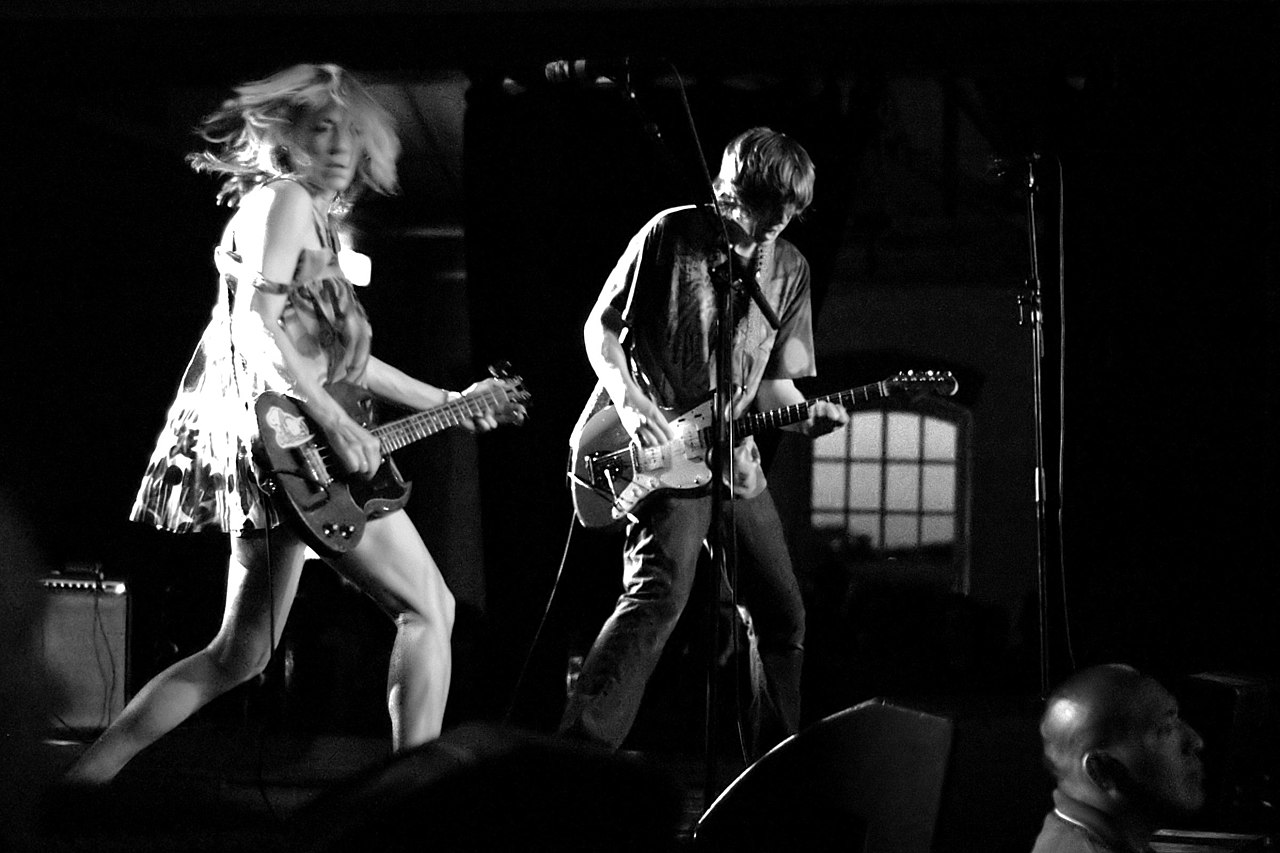


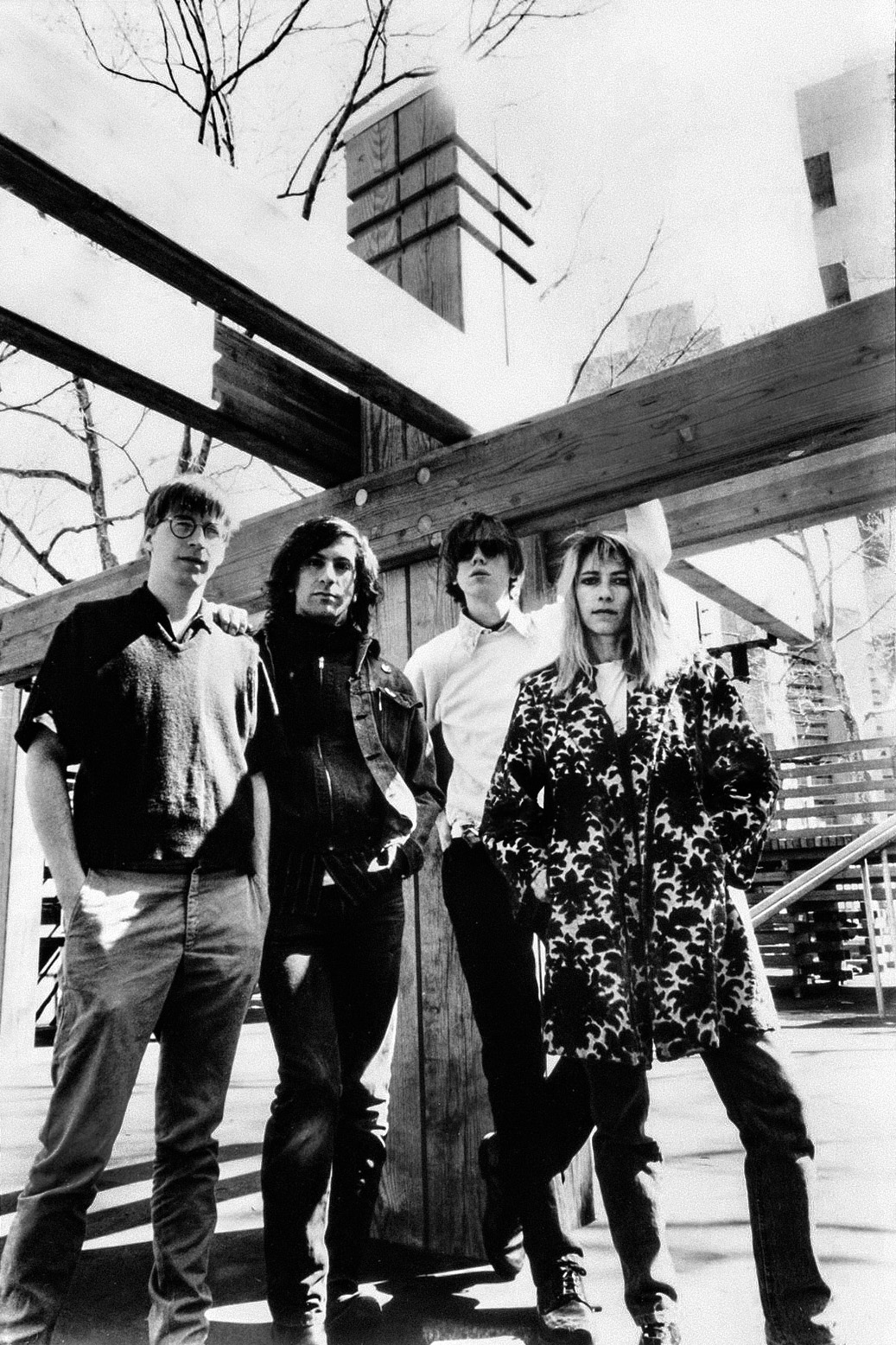
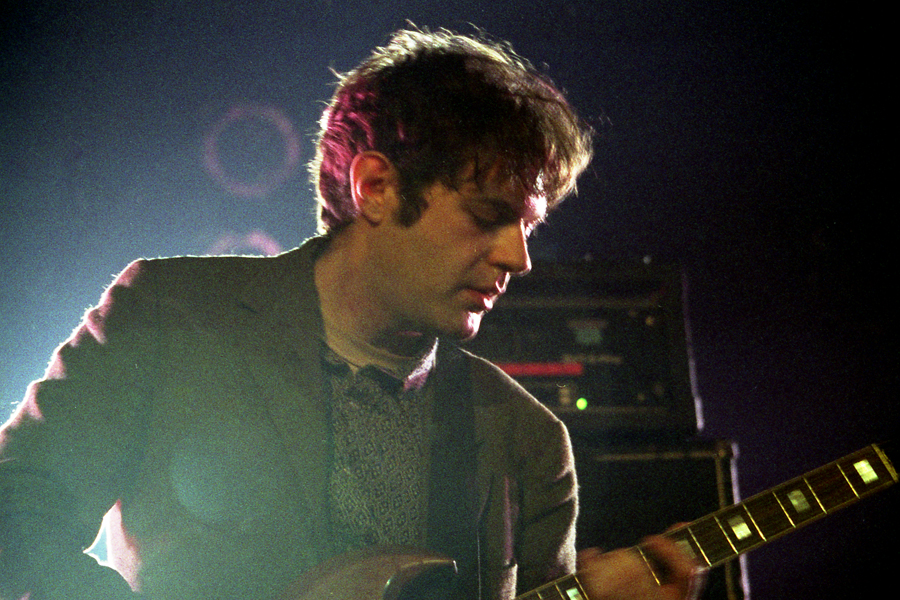

Musical style and techniques
Sonic Youth are best known for unconventional guitar work: tunings altered to create unusual intervals, prepared guitars (objects placed on strings) and a focus on dissonance and feedback balanced with strong songcraft. Rather than virtuoso solos, their songs often use layered textures and repeating motifs to build intensity. Vocals are typically understated and blended with the instruments; lyrics range from cryptic images to direct commentary. Their approach drew from punk's energy and No Wave's experimentalism while avoiding strict adherence to hardcore conventions. Key musical terms connected to the band include hardcore punk influences and broad indie rock significance.
History and development
The group formed in 1981 and became active participants in New York's downtown scene, performing alongside artists and bands who mixed visual art and music. Through the 1980s they released a string of records that steadily expanded their palette and audience; the late 1980s album widely regarded as a breakthrough consolidated critical attention and brought them to a larger alternative-rock audience. Throughout the 1990s and 2000s they toured internationally, released influential records and collaborated with visual artists and filmmakers. Over time personnel changes and side projects shaped their output, but core members steered the band through decades of creative evolution.
Members and roles
- Thurston Moore — guitar and guitar-centered songwriting and vocals
- Kim Gordon — bass, vocals and occasional guitar; central to the band's visual and cultural profile
- Lee Ranaldo — guitar and vocals; contributed melodic counterpoints and experimental textures
- Steve Shelley — drums; provided rhythmic foundation and dynamic range (drums)
- Mark Ibold — guitar and bass during later lineups
The interplay among instruments—especially multiple guitars and the bass—defines much of their sound; players frequently swapped roles in studio or live settings (bass).
Influence, legacy and notable facts
Sonic Youth's influence extends beyond record sales. They helped bridge the avant-garde and the mainstream alternative scenes, opening paths for later bands that mixed noise, melody and DIY ethics. Their use of nonstandard tunings and prepared instruments influenced countless guitarists and experimental musicians. They are often cited in discussions of how independent music scenes can shape broader popular trends. For further context and resources, see related entries and archival documents: indie rock overview, artist pages and interviews archived at institutional collections (band history, city scene, punk lineage).
Selected albums and listening
Among their widely referenced releases are early experimental records and a late-1980s album often singled out as a milestone for its scope and accessible but challenging songs. Listening across their catalog reveals the transition from raw underground recordings to expansive, compositionally ambitious works. For newcomers, sampling a handful of albums across the 1980s and 1990s will illustrate their range and impact.
Notable distinctions: Sonic Youth balanced art-world connections with rock credibility, sustained a multi-decade career with evolving personnel, and used the electric guitar as a laboratory for new sounds rather than only a lead instrument.
Further reading and resources: guitar techniques, vocal contributions, and archival materials at music research centers (bass histories, drumming analyses).
Questions and answers
Q: Who are Sonic Youth?
A: Sonic Youth is an American rock band from New York City that was formed in 1981.
Q: With which music scene was Sonic Youth associated at the beginning of their career?
A: Sonic Youth was associated with the underground art and music scene in New York City, No Wave.
Q: What type of music did Sonic Youth make?
A: Sonic Youth made their own interpretation of hardcore punk sound and were part of the first wave of American noise rock groups.
Q: What is the significance of Sonic Youth in the indie rock movements?
A: Critics consider Sonic Youth as an important element in the rise of indie rock movements.
Q: Who are the members of Sonic Youth?
A: The members of Sonic Youth are Thurston Moore (guitar and vocals), Kim Gordon (bass, vocals, and guitar), Lee Ranaldo (guitar and vocals), Steve Shelley (drums), and Mark Ibold (guitar and bass).
Q: When was Sonic Youth formed?
A: Sonic Youth was formed in 1981.
Q: Where is Sonic Youth from?
A: Sonic Youth is from New York City.
Related articles
Author
AlegsaOnline.com Sonic Youth: Pioneers of American Noise Rock and Alternative Guitar Leandro Alegsa
URL: https://en.alegsaonline.com/art/91874
Sources
- allmusic.com : "Sonic Youth Biography"