
Benjamin Britten: English composer, conductor, and Aldeburgh founder
Biography and assessment of Benjamin Britten (1913–1976): life, musical style, major works such as Peter Grimes and War Requiem, collaboration with Peter Pears, the Aldeburgh Festival and lasting influence.
Overview
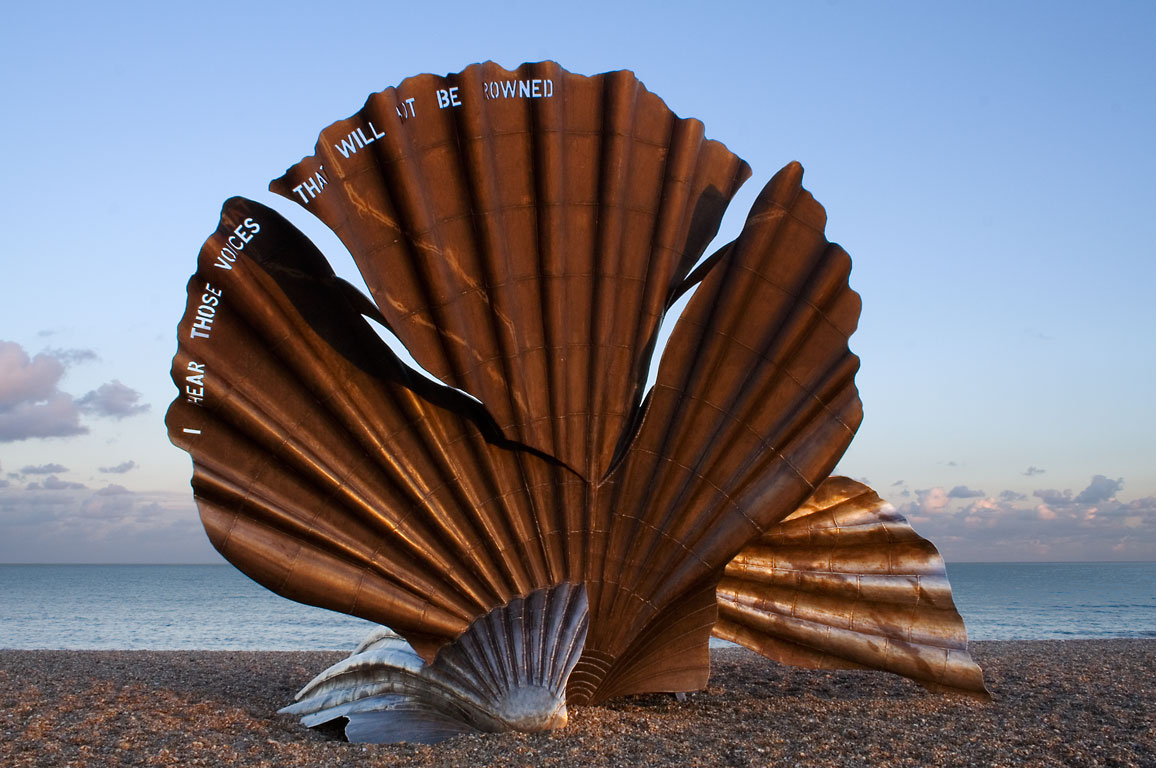
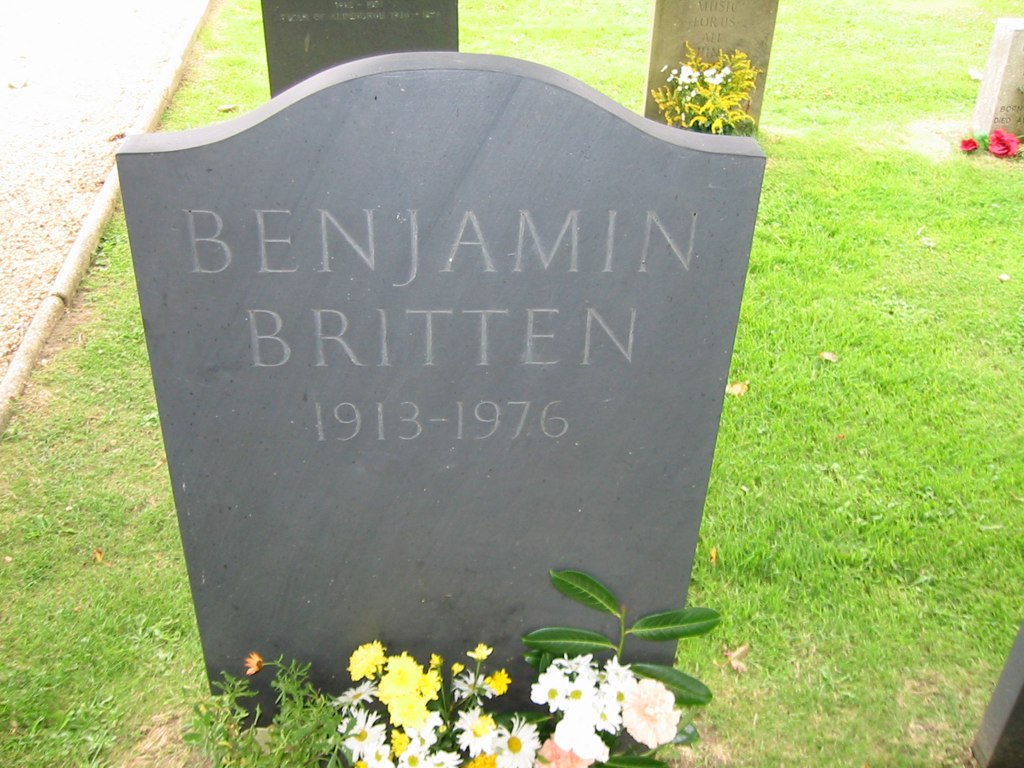
Benjamin Britten (Edward Benjamin Britten, 1913–1976) was a leading English composer, conductor and pianist whose work helped define British music of the mid-20th century. Honoured in his lifetime with distinctions including the Order of Merit and the Companion of Honour, Britten maintained strong ties to his native East Anglia: he was born in Lowestoft and died in Aldeburgh. He combined a modern awareness of 20th‑century techniques with a clear sense of melody and a keen ear for dramatic voice writing.
Image gallery
10 Images




Style and influences
Britten's music is notable for its affinity with the sea and the landscapes of the English coast, which recur in mood and atmosphere throughout his output. He drew on a variety of traditions — English choral and folk song, baroque forms, and contemporary European ideas — and often transformed them into distinctively personal textures. Critics highlight his contrapuntal skill, his sensitivity to text setting, and a tendency to juxtapose tonal centers and dissonance to serve dramatic ends rather than theoretical dogma. The result can be both accessible and technically sophisticated.
Key relationships and institutions
A defining partnership in Britten's life and career was with the tenor Peter Pears, for whom he wrote many leading roles and songs. Together with Pears and others, Britten founded the Aldeburgh Festival, which became a vibrant annual center for new music and performance. He was also active as a conductor and accompanist, shaping performances of his own works and promoting contemporary British repertoire across Europe and beyond.
Major works and genres
Britten wrote operas, orchestral pieces, choral works and chamber music. He paid particular attention to drama and the voice: operas such as Peter Grimes and Billy Budd established his international reputation, while later stage works explored mythic and psychological themes. His large-scale choral piece War Requiem (1962) combined traditional liturgical text with modern poetry and was premiered in the rebuilt Coventry Cathedral as a potent statement about war and reconciliation. Britten also wrote exemplary works intended for young listeners and players — for example The Young Person's Guide to the Orchestra — which remain popular introductions to orchestral timbres and form.
Representative list of works
- Peter Grimes (opera)
- Billy Budd (opera)
- A Midsummer Night's Dream (opera)
- Death in Venice (opera)
- War Requiem (choral/orchestral)
- The Young Person's Guide to the Orchestra (educational orchestral work)
Legacy and significance
Britten's output fused dramatic instinct with technical craft and produced a repertoire of operas, vocal cycles, instrumental pieces and choral works that continue to be performed worldwide. His emphasis on clear text-setting, his revitalisation of English opera and his advocacy for performance institutions such as the Aldeburgh Festival helped reshape British musical life in the 20th century. Recordings and festivals sustain interest in his music, while scholarship examines his compositional processes, collaborations and the cultural contexts that informed his art.
For further information and curated resources, consult specialized studies, festival archives and recorded performances available through music libraries and institutional collections.
Questions and answers
Q: Who was Edward Benjamin Britten?
A: Edward Benjamin Britten was one of the greatest English composers of his time, and he was born in Lowestoft on November 22, 1913.
Q: Where did Edward Britten come from?
A: Edward Britten came from East Anglia, a region in the East of England.
Q: What did Edward Britten often think about when writing his music?
A: Edward Britten often thought about the East Anglian landscape and the sea when writing his music.
Q: Who was Edward Britten's long-term partner?
A: Edward Britten's long-term partner was the tenor Peter Pears.
Q: What are some of Edward Britten's famous operas?
A: Some of Edward Britten's famous operas include Peter Grimes, Billy Budd, A Midsummer Night's Dream, and Death in Venice.
Q: Where was Edward Britten's War Requiem performed?
A: Edward Britten's War Requiem was performed in Coventry Cathedral in 1962 after it had been rebuilt because the old cathedral had been destroyed in the war.
Q: What did Edward Britten start?
A: Edward Britten started the Aldeburgh Festival, and he was an excellent pianist and conductor as well.
Related articles
Author
AlegsaOnline.com Benjamin Britten: English composer, conductor, and Aldeburgh founder Leandro Alegsa
URL: https://en.alegsaonline.com/art/114966
Sources
- news.bbc.co.uk : "1976: 'Genius' composer Benjamin Britten dies"