
High-Frequency (Shortwave) Radio: International Broadcasting, Propagation, and Uses
Overview of high-frequency (shortwave) radio: spectrum, ionospheric propagation, solar effects, and its uses in international broadcasting, time/weather services, commercial, religious and pirate transmissions.
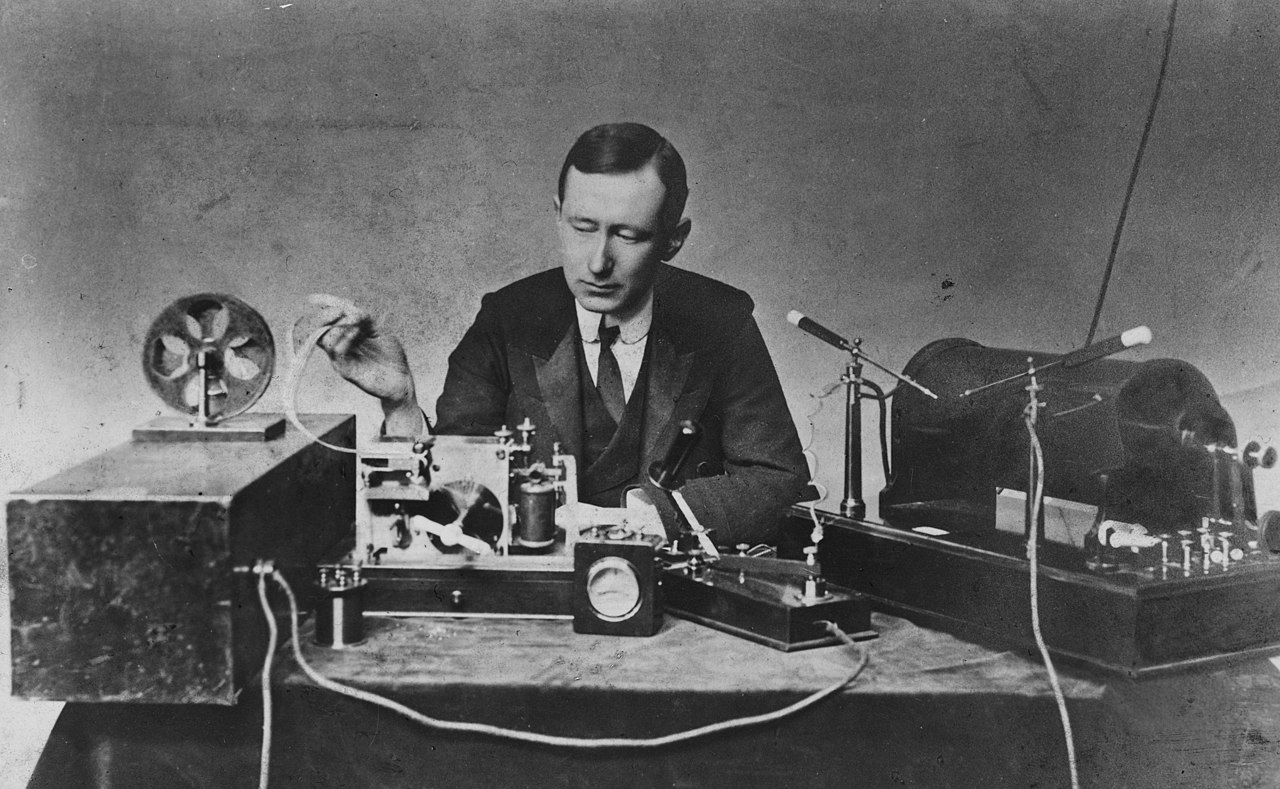
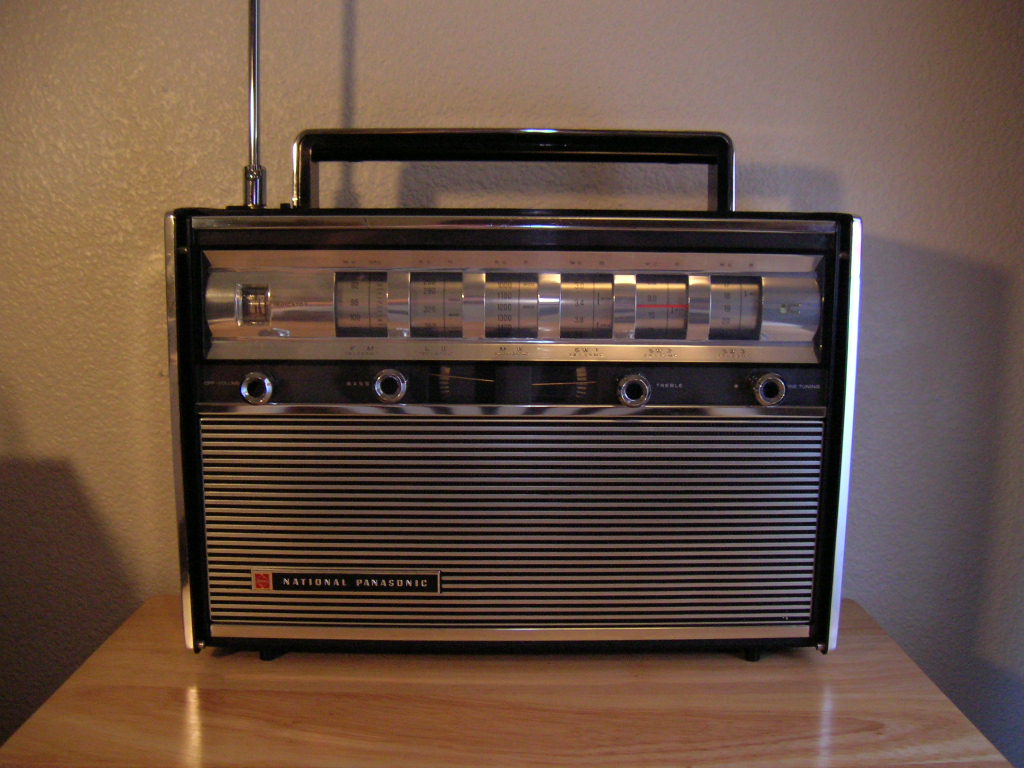
Shortwave radio denotes radio transmissions that occupy the 3–30 megahertz portion of the spectrum. These signals are a form of radio waves used widely for long-distance communication and international broadcasting. Under the right conditions the earth’s ionosphere can refract these same radio waves, allowing stations to be heard over very great distances. Propagation is affected by solar phenomena—sunspot cycles and solar flares can change reception—and different frequencies perform better at particular times of day and at different seasons.
Image gallery
10 Images





Typical services and programming
From the early years of radio, shortwave broadcasters have carried international news and cultural programming intended to inform audiences beyond a nation’s borders. Many state-run governments and national news agencies operate shortwave transmitters to reach both expatriates and foreign listeners, often offering programs in both English and the broadcaster’s native languages so they can address local and international audiences. Prominent examples include the Voice of America, the BBC World Service, Deutsche Welle, and the Voice of Russia.
Other operators and services
Shortwave transmitters are not limited to governments. Commercial and non‑profit organizations, including religious broadcasters, use the bands to reach distant listeners; stations such as HCJB have included live services and mission programming. Some broadcasters provide practical information rather than music or news: dedicated transmitters carry meteorological or weather bulletins and standardized time signals. For example, WWV and WWVH broadcast Coordinated Universal Time at several designated frequencies.
Pirate and unlicensed transmissions
A small number of stations operate without authorization; these unlicensed broadcasters, commonly called "pirates," often transmit irregularly or from changing locations. Pirate programmers may play music or air political and social opinions not carried on licensed channels. Because they lack regulatory approval and can interfere with authorized services, regulators in many countries take steps to locate and shut them down.
Shortwave in the internet era
The audience for shortwave has declined in many places with the spread of the Internet, yet shortwave remains important where computer and related technology are limited or unavailable. To reach audiences who now use online media, many traditional broadcasters simulcast their radio output as audio streams or distribute programs via podcasting, supplementing their over‑the‑air shortwave schedules.
Two‑way communications
Beyond broadcasting, shortwave frequencies support long‑range two‑way telephony and data links for ships and aircraft when they cannot rely on a communications satellite. This capability remains valuable for safety, coordination, and remote communication in regions without dependable satellite coverage.
Related articles
Author
AlegsaOnline.com High-Frequency (Shortwave) Radio: International Broadcasting, Propagation, and Uses Leandro Alegsa
URL: https://en.alegsaonline.com/art/90009