
Internet: global packet network and its origins, structure, and uses
An accessible overview of the Internet: what it is, how it is structured, its history, common services and uses, and contemporary issues such as access, funding, and censorship.
The Internet is a vast collection of interconnected computer networks that enables digital communication and data exchange across the world. Often shortened to "the net," it links many smaller domestic, academic, business and corporate networks, as well as government systems, to carry a wide variety of information types. The result is a decentralized global infrastructure that supports services as simple as email and as complex as distributed cloud computing. For a concise description of its global nature see related resources.
Image gallery
9 Images






Characteristics and structure
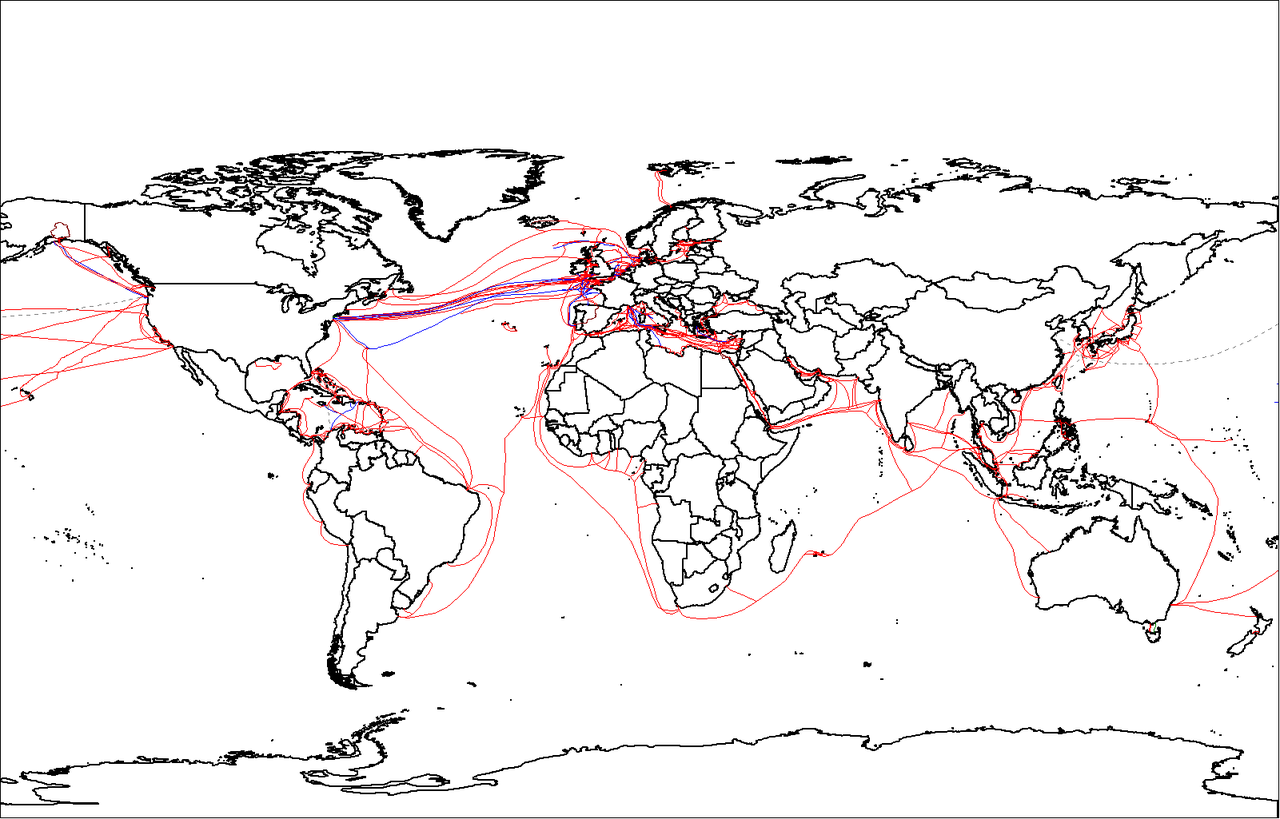
The Internet is built from hardware (routers, switches, fiber, wireless links) and software standards (protocols) that let machines exchange packets of data. It is not a single company or organization but an ensemble of networks that agree on common technical rules. Internet service providers (ISPs) connect users and organizations to this ecosystem; many ISPs offer paid access plans while others support public access points through subscription services. Content on the Internet ranges from static documents and images to streaming video and interactive applications, supported by content delivery networks and servers.
History and development
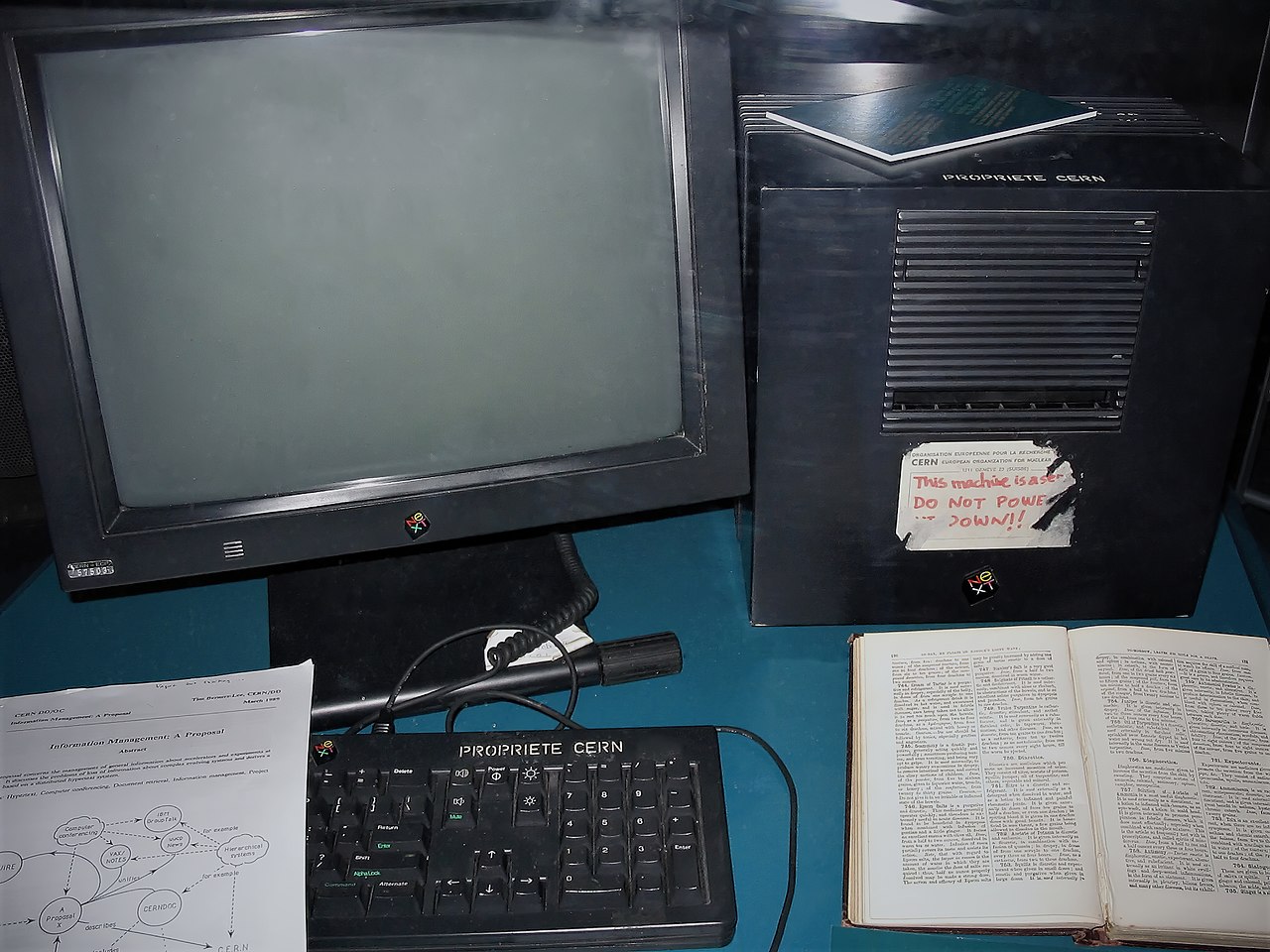
The technical roots of the Internet date to research funded by the United States Department of Defense and its research agencies. Early work by the Advanced Research Projects Agency (DARPA) led to the ARPANET in 1969, an experimental packet-switched network that demonstrated key concepts still in use. Later developments in networking, protocols (such as TCP/IP), and commercialization expanded that research project into the large public network we know today. Separately, the World Wide Web was developed at CERN in Geneva, Switzerland (Switzerland) by a British (UK) computer scientist who is widely known as Tim Berners-Lee, which made linked documents and sites easier to create and navigate.
Services, uses and examples
The World Wide Web remains one of the Internet's most visible services, but the network also carries email, file transfer, voice and video calls, streaming media, gaming, and machine-to-machine communications (the Internet of Things). Organizations use the Internet for research, commerce, education, government services, and social interaction. Many public-facing services are free to users while providers and platforms may earn revenue through subscriptions or advertising models. Individuals commonly pay to access the Internet, often by purchasing service from an ISP or through mobile data plans that require payment.
Important distinctions and contemporary issues
It is important to distinguish the Internet (the global network of networks) from the World Wide Web (a system of interlinked documents accessed via web browsers). Debates about the Internet today include questions of access and affordability, content moderation, privacy, and censorship. Different countries and platforms take varying approaches to free expression and control online, which raises legal and ethical concerns about freedom of speech and censorship in digital spaces.
Summary
The Internet is a distributed, evolving infrastructure that underpins modern communication, commerce, and culture. Its technical foundations were built from research initiatives such as those supported by DARPA and expanded through innovations like the World Wide Web at CERN. Whether measured by the services it supports, the economies it enables, or the social interactions it hosts, the Internet remains a central and rapidly changing component of contemporary life. For further reading and technical primers see general information and additional resources here.
Questions and answers
Q: What is the Internet?
A: The Internet is the world's largest communication network of computers.
Q: What are the different types of networks that make up the Internet?
A: The Internet is made up of smaller domestic, academic, business, and government networks.
Q: What is the World Wide Web?
A: The World Wide Web is one of the biggest services on the Internet.
Q: When and by whom was the Internet first developed?
A: The Internet was first developed in the United States by the "United States Department of Defense Advanced Research Projects Agency" (DARPA) and was first connected in October 1969.
Q: Who created the World Wide Web and where was it created?
A: The World Wide Web was created at CERN in Switzerland in 1990 by a British (UK) scientist named Tim Berners-Lee.
Q: How do people access the Internet?
A: People can pay money to access the Internet from internet service providers.
Q: Is censorship and freedom of speech a controversial issue on the Internet?
A: Yes, censorship and freedom of speech are controversial issues on the Internet.
Related articles
Author
AlegsaOnline.com Internet: global packet network and its origins, structure, and uses Leandro Alegsa
URL: https://en.alegsaonline.com/art/47730
Sources
- walthowe.com : "A brief history of the internet"
- rsf.org : "Rapport @ 09 GB"
- wiredsafety.org : "Internet Safety: Internet 101 - Viruses, worms and Trojans"