
Broadcasting: radio, television, satellite and online distribution
One-to-many distribution of audio, video and data over radio waves, cable, satellite or the internet; history, delivery methods, uses, and modern distinctions in broadcasting.
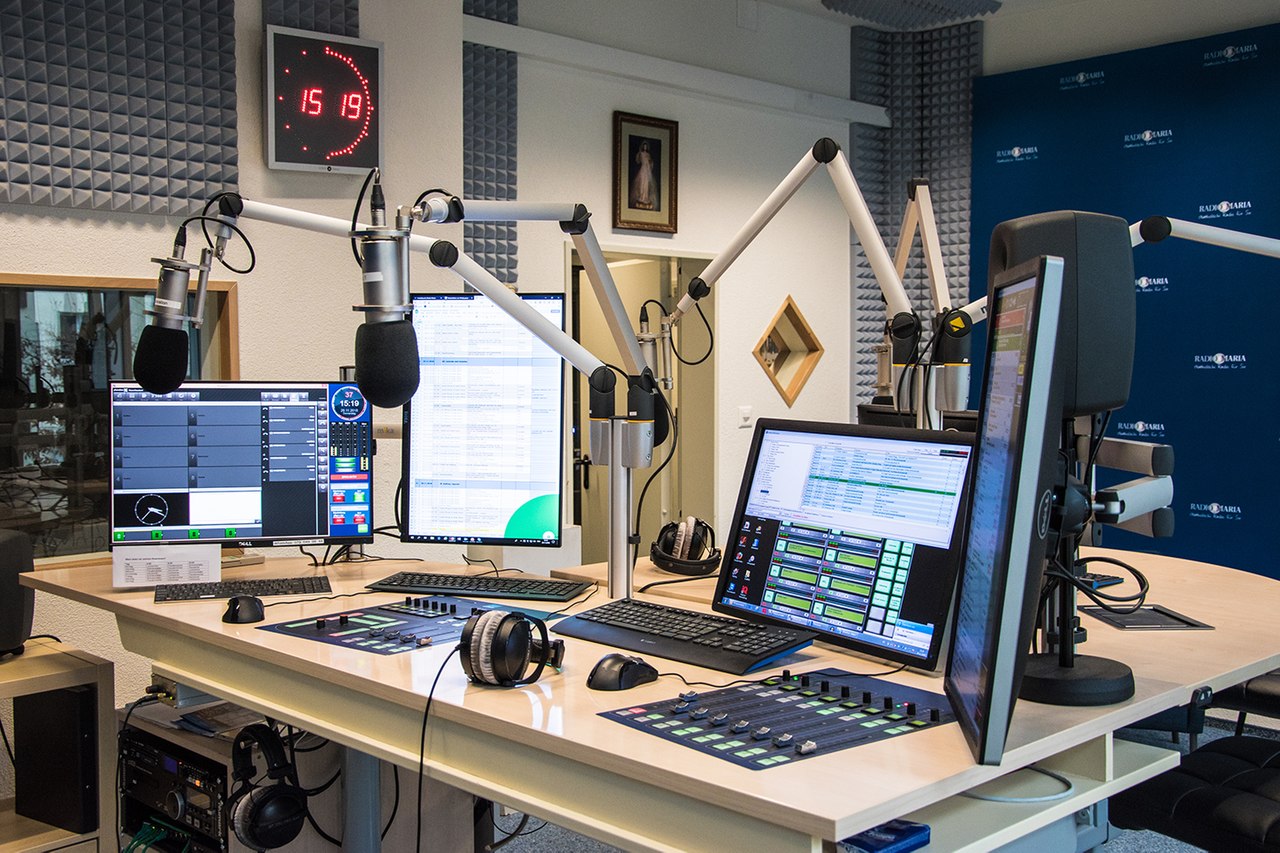
Broadcasting is the one-to-many transmission of audio, video or other data to a broad audience. Traditionally this has meant radio and television signals sent over the air and received by many listeners or viewers at once, but the term now covers distribution by cable, satellite and internet platforms as well. Broadcast services carry scheduled programming, live events and emergency alerts to large, often geographically dispersed, audiences.

Image gallery
6 Images


Delivery methods and technical characteristics
Broadcast transmissions can use several physical paths and signalling techniques. Terrestrial services radiate electromagnetic waves from fixed transmitters; examples include AM and FM radio and over‑the‑air television. Wired distribution uses coaxial or fiber networks and is common for cable television and some broadband video. Satellite links place signals on orbital relays, permitting wide-area coverage and international feeds (satellite). Digital encoding, multiplexing and compression are now standard to increase capacity and picture/audio quality. Modern broadcasting also embraces packet‑based delivery over IP networks — sometimes called webcasting or streaming — which blurs the line between traditional broadcast and on‑demand services (electronic transmission).
- Terrestrial wireless: wide coverage from towers but requires spectrum allocation.
- Cable and fiber: reliable, high bandwidth over wired infrastructures (wired networks).
- Satellite: long‑range footprints and direct reception for remote areas (satellites).
- Internet streaming: flexible, addressable delivery though dependent on network capacity.
Origins and historical development
The roots of radio broadcasting lie in early wireless telegraphy experiments of the late 19th and early 20th centuries. Inventors such as Guglielmo Marconi demonstrated transoceanic radio communication in the early 1900s, establishing long‑distance point‑to‑point links. Voice and music broadcasts emerged in the 1910s–1920s and rapidly expanded in the interwar years into a mass medium for news and entertainment. Television began experimental broadcasts in the 1920s–30s and expanded widely after World War II. The late 20th century saw the shift from analog to digital transmission, opening higher quality audio/video and more efficient spectrum use; the early 21st century added satellite pay television and internet streaming as major distribution channels.
Uses, impact and examples
Broadcasting serves several public and commercial functions: distributing news, cultural programming, live sports, educational content and public safety alerts. National public broadcasters provide news and civic programming; commercial broadcasters carry entertainment and advertising. Live broadcast remains the primary means for real‑time mass events such as elections, emergency warnings and major sports. In many regions, free‑to‑air broadcasting is a critical source of information for communities with limited internet access.
Distinctions, regulation and modern trends
Key distinctions include one‑to‑many broadcasting versus one‑to‑one telecommunications and narrowcasting (targeted content for specific audiences). Broadcasting historically required allocation of finite radio spectrum and licensing by regulators to avoid interference. Today, the landscape is evolving: digital terrestrial television and digital radio allow multiple channels per frequency; subscription and internet services enable personalized consumption; and hybrid broadcast‑broadband models mix scheduled transmission with on‑demand content. These trends change business models and regulatory questions but preserve broadcasting's core role of efficiently delivering common programming to large audiences.
Questions and answers
Q: What is broadcasting in communications?
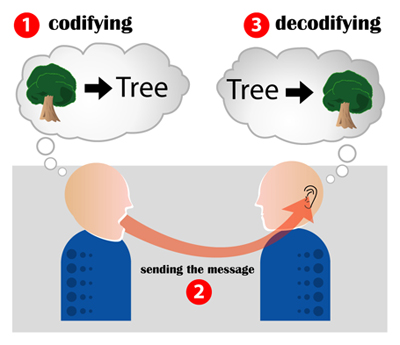
A: Broadcasting in communications means sending information to a large audience through the air in radio waves, through a wire, or by a communications satellite.
Q: How do viewers or listeners pick up the signal in broadcasting?
A: Viewers or listeners pick up the signal in broadcasting using their television sets or radio receivers.
Q: Who invented wireless telegraphy?
A: Gugliemo Marconi invented wireless telegraphy.
Q: When did Marconi transmit the first radio signals across the Atlantic Ocean?
A: Marconi transmitted the first radio signals across the Atlantic Ocean in December 1901.
Q: Was the first radio signal transmission point to point or broadcast?
A: The first radio signal transmission was point to point.
Q: When did experiments with voice broadcasting begin?
A: Experiments with voice broadcasting began a few years after Marconi transmitted the first radio signals across the Atlantic Ocean.
Q: In which decade did broadcasting grow rapidly?
A: Broadcasting grew rapidly in the 1920s.
Tags
Related articles
Author
AlegsaOnline.com Broadcasting: radio, television, satellite and online distribution Leandro Alegsa
URL: https://en.alegsaonline.com/art/14599