
Audience: groups of people who experience the same event or media
An audience is a group of people who perceive the same performance, media, or event. This article explains types, roles, modes of participation, history, and how audiences are measured and targeted.
Overview
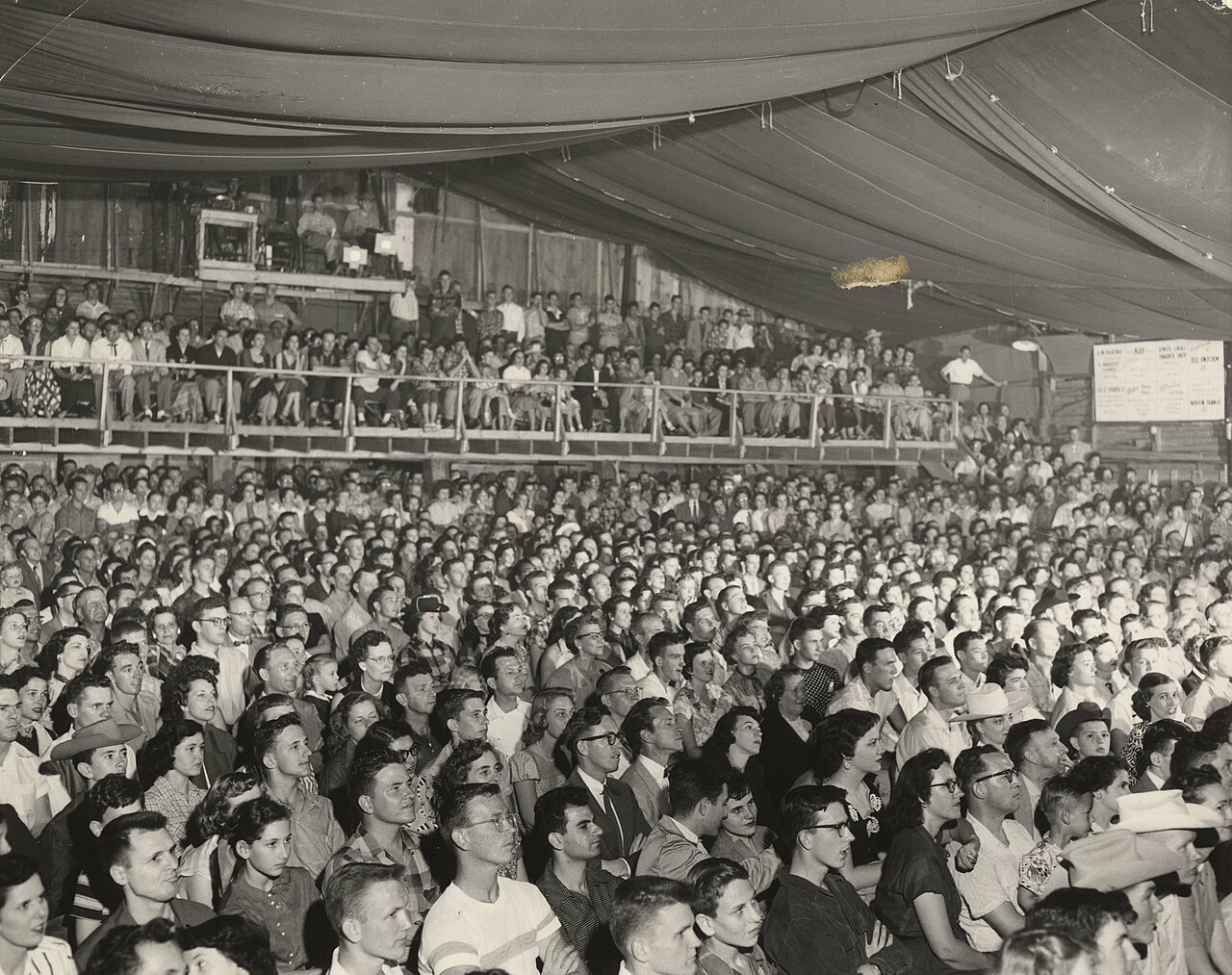
An audience is a collection of individuals who see, hear or otherwise experience the same performance, publication, broadcast, exhibition or event. The word applies to groups gathered in one place and to dispersed consumers of media. Audiences are central to arts, entertainment, information delivery and public communication because they determine whether a work reaches its intended effect.
Image gallery
10 Images




Characteristics and composition
Audiences differ by size, demographic makeup, cultural background, expectations and relationship to the material. A live audience may respond immediately through applause or vocal reaction; an audience reached by recorded media often responds indirectly via ratings, sales or online engagement. Organizers and creators commonly profile audiences by age, language, interests and other factors to make content more relevant.
Historical development
The concept of an audience developed with public performance and the spread of print. In theatres and public assemblies, the audience was physically present; the rise of newspapers, radio and television expanded the idea to mass audiences that are geographically dispersed. Later, digital platforms enabled individualized, measurable and often interactive audiences while also permitting niche segmentation.
Types and contexts
- Theatre: spectators gathered for a stage production; some performances invite audience participation such as call-and-response or improvisation (play).
- Film and television: viewers who watch a motion picture or broadcast; impact is tracked through box office, ratings and streaming metrics (movie).
- Publishing: readers of books, magazines or online articles; readership shapes editions, marketing and critical reception (book).
- Sporting events: people present in a stadium are often called spectators or a live audience, distinct from television or online viewers.
- Broadcast and digital media: audiences for radio, podcast and online streams can be large, distributed and sometimes participatory (broadcast).
Participation and response
Different events allow different levels of audience involvement. Some live performances actively invite participants to join the action or influence outcomes (participatory events), while many traditional shows permit only applause or polite response (applause) and post-event critique (criticism). Mass media often restrict direct interaction but increasingly incorporate feedback through comments, ratings and social sharing.
Measurement, roles and notable distinctions
Organizers and advertisers measure audiences to evaluate reach and impact: ticket counts, circulation, ratings, downloads and engagement metrics are common. ‘‘Audience'' can denote both the individuals present and the demographic the content targets. Distinctions include readership (print/digital readers), viewership (screen-based consumers) and spectatorship (live, physical presence). Understanding these differences helps creators tailor content and assess cultural significance.
For further reference and examples see related entries on performance, media distribution and audience studies via general definition and specific context links above.
Related articles
Author
AlegsaOnline.com Audience: groups of people who experience the same event or media Leandro Alegsa
URL: https://en.alegsaonline.com/art/7237