
Sicel language (Sikel): overview of an ancient Sicilian tongue
Ancient Indo-European language spoken by the Sicels of Sicily. Known from a small corpus of inscriptions, names and place-names; its precise classification is uncertain but shows Indo-European features.
The Sicel language, often called Sikel by scholars, was spoken by the Sicel people who inhabited parts of Sicily in the first millennium BCE. It is known only from a small number of short inscriptions, onomastic material (personal and tribal names), and place-names recorded by ancient authors. Because surviving evidence is scant, much about Sicel—its grammar, full vocabulary, and dialectal variation—remains uncertain.
Image gallery
2 Images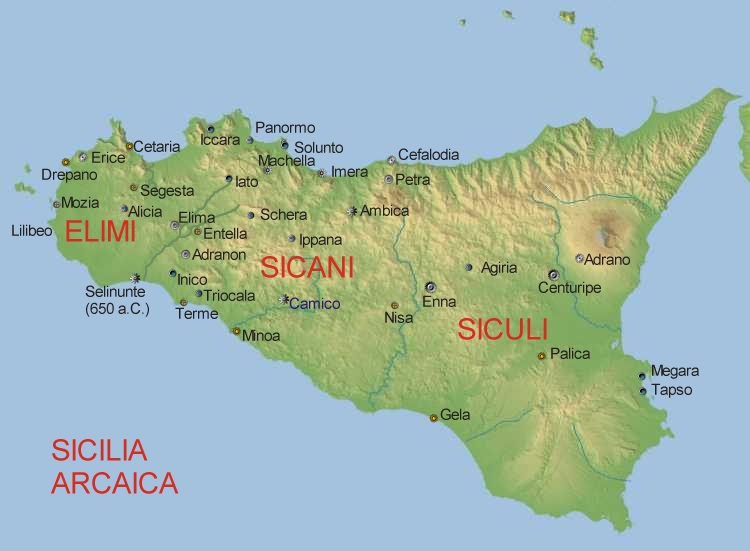
Classification and characteristics
Most linguists agree that Sicel belonged to the Indo-European family, but its exact position within that family is debated. Features preserved in names and a few glosses suggest affinities with Italic or other western Indo-European branches, yet the limited data prevents a firm assignment. The writing that survives appears in alphabets influenced by neighbouring scripts rather than in a native, well-attested orthography.
Attestations and evidence
- Short epigraphic fragments: brief inscriptions scratched or painted on pottery, stone, and votive objects.
- Onomastics: personal names, tribal names and family names recorded by classical authors or surviving in inscriptions.
- Toponyms and substrate vocabulary: Sicel-origin place-names preserved in later sources and maps.
Because the corpus is so small, scholars rely heavily on comparative methods, looking at cognates in better-attested Indo-European languages, and on archaeological context to interpret the linguistic material.
Historical context and importance
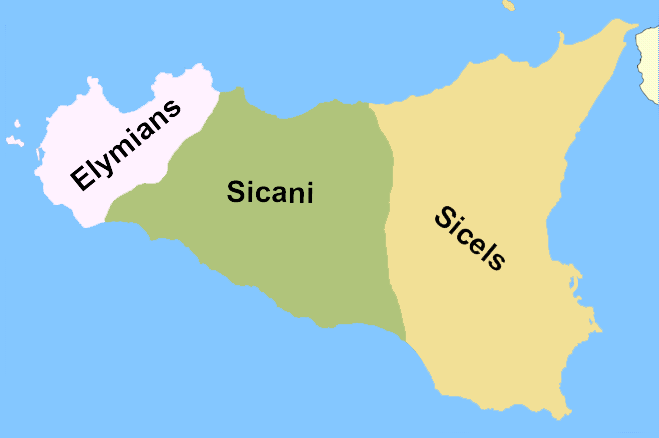
The Sicels were one of several indigenous groups on Sicily before and during the island's period of Greek colonization. Their language provides valuable evidence about the prehistoric population movements and cultural interactions in the central Mediterranean. Even short Sicel inscriptions and names contribute to our understanding of how Indo-European languages spread and diversified in Italy and the islands.
For concise introductions and primary source listings see general overviews, regional treatments of Sicily and its peoples at Sicily-focused resources, and discussions of Indo-European classification at comparative linguistics pages. Because the material is fragmentary, modern reconstructions are tentative and often revised as new evidence appears.
Related articles
Author
AlegsaOnline.com Sicel language (Sikel): overview of an ancient Sicilian tongue Leandro Alegsa
URL: https://en.alegsaonline.com/art/90185