
BBC (British Broadcasting Corporation)
The BBC is the United Kingdom's public-service broadcaster, offering television, radio and online services at home and internationally. It is funded mainly by the TV licence and governed under a Royal Charter.
The British Broadcasting Corporation (BBC) is the United Kingdom's principal public-service broadcaster. It provides a wide range of television, radio and online programming for audiences in the UK and around the world, and it distributes content to commercial partners overseas through sales and syndication. The BBC's remit is to inform, educate and entertain and it is widely recognised for its news output, documentary work and cultural programming.
Image gallery
10 Images


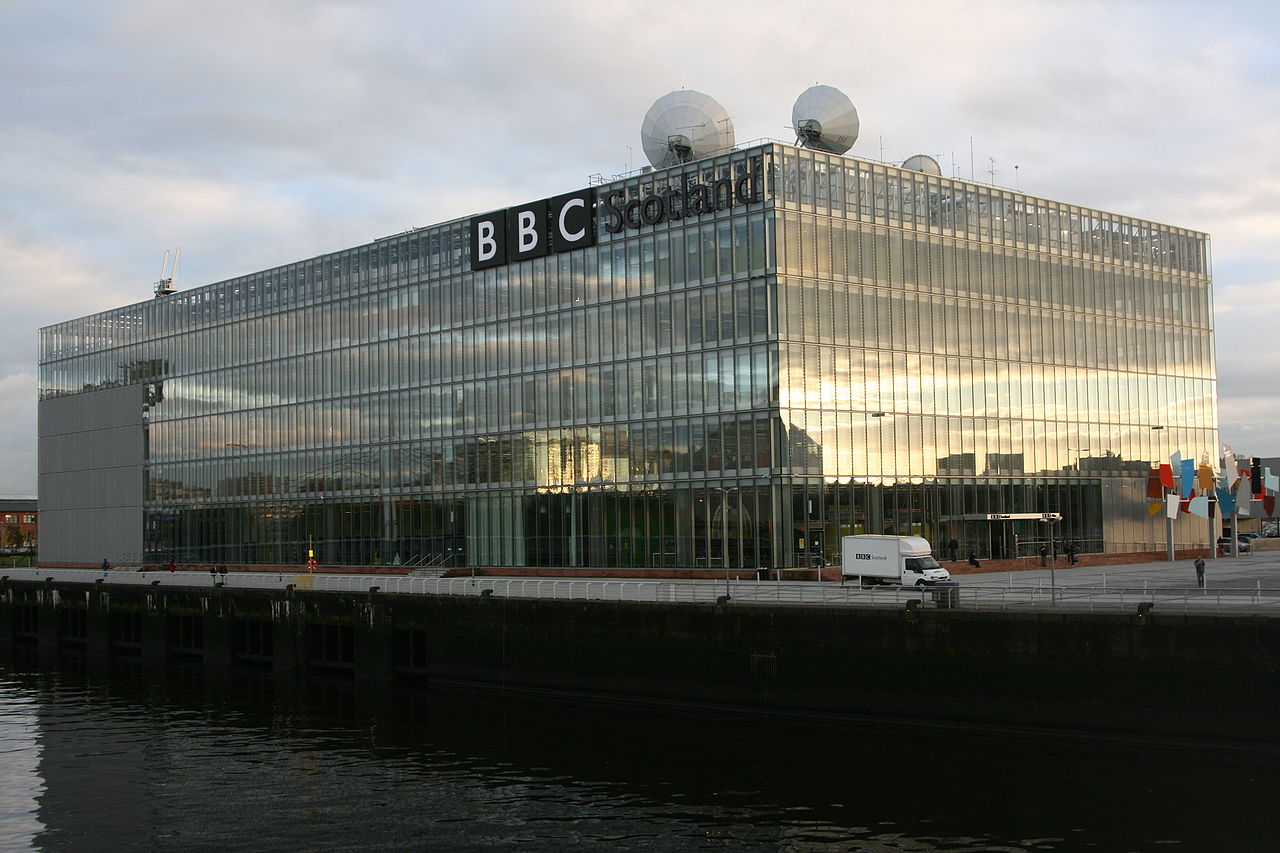
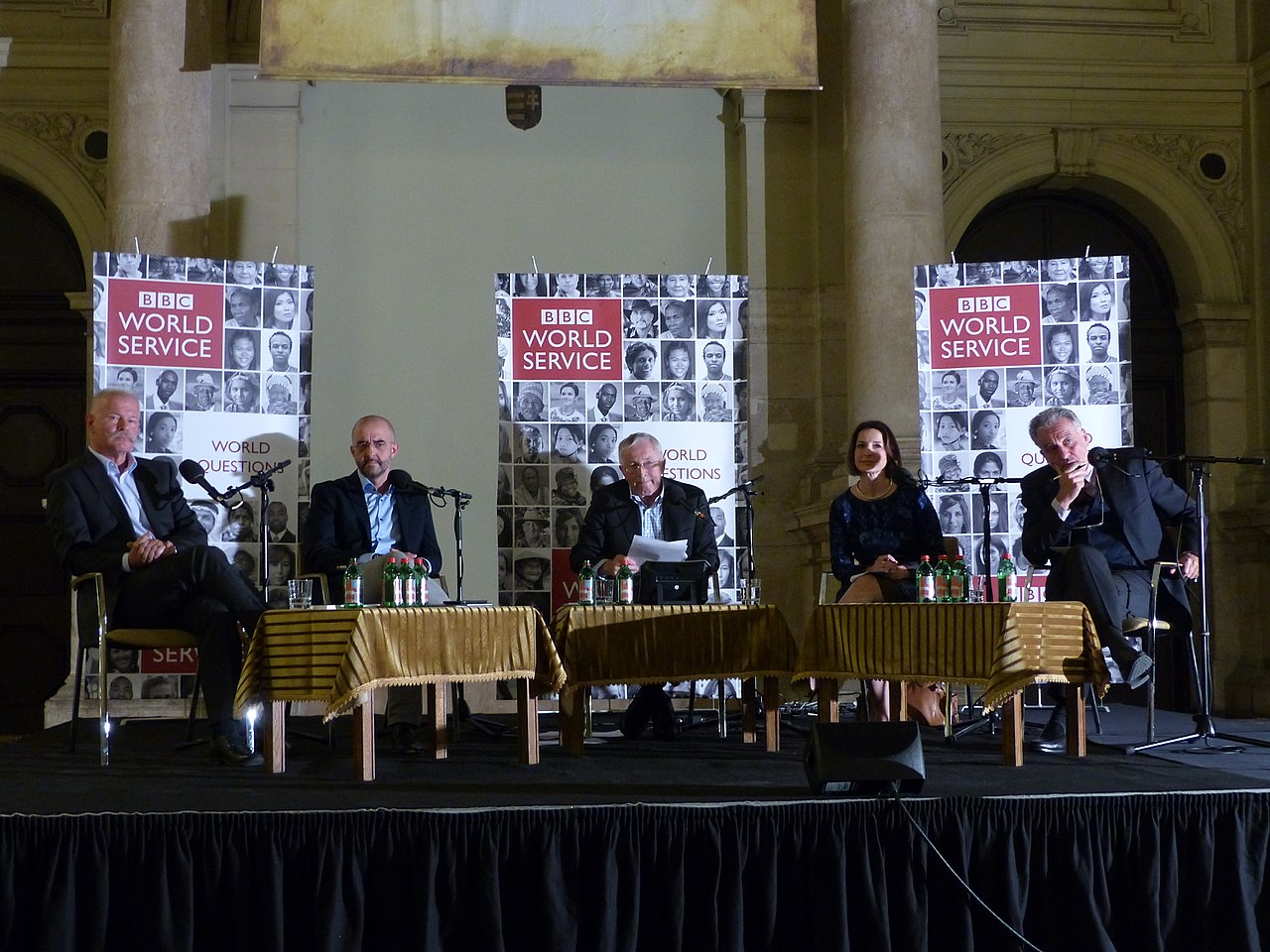


Organisation and governance
The BBC operates under a Royal Charter which sets out its public purposes and basic governance arrangements; details of that framework can be found via the institution's formal documentation about the charter. Operational oversight is exercised by a board and executive management including the Director‑General, who leads editorial and operational activity board and leadership (Director‑General). Over time the exact structures have changed, but the corporation remains accountable to the public and to parliamentary scrutiny.
Services and output
The BBC produces services across several platforms and genres. Key areas include:
- Television channels — national channels with news, drama and entertainment;
- Radio networks — national and local stations covering music, speech and specialist subjects;
- World Service — international news and programs in many languages;
- Digital and on‑demand platforms — online news, a streaming service and archive access.
In addition to publicly funded services, the corporation conducts commercial activities, including programme sales and production for external clients, often managed through separate commercial divisions.
History and development
The BBC dates back to the early decades of radio broadcasting and expanded as a national broadcaster with the advent of television. Its role and technology have evolved from wireless transmission to global satellite, digital and internet distribution; a concise timeline and historical overview are available in published accounts and institutional histories on origins and milestones.
Funding, public role and notable facts
Most domestic services are funded primarily by the television licence fee, a form of public funding established to support independent public-service broadcasting licence arrangements. The BBC's scale and editorial reach make it a prominent cultural and news institution internationally international presence. It has also been the subject of debate about impartiality, funding and governance, matters that continue to shape its public mandate.
For further reading and the corporation's own statements, consult official resources and independent analyses linked above.
Questions and answers
Q: What is the British Broadcasting Corporation (BBC)?
A: The British Broadcasting Corporation (BBC) is an organisation in the UK that broadcasts on television, radio and the Internet.
Q: Where does the BBC broadcast its programmes?
A: The BBC broadcasts its programmes in the United Kingdom and other countries.
Q: Does the BBC sell its programmes to other broadcasting companies around the world?
A: Yes, the BBC sells its programmes to other broadcasting companies around the world.
Q: Who runs the BBC?
A: The BBC is run by a group of twelve governors who have been given the job by the British monarch, on the advice of government ministers.
Q: What is the role of the governors in the BBC?
A: The governors in the BBC appoint a Board of Management to take care of running the business of the BBC.
Q: Who is the head of the Board of Management in the BBC?
A: The head of the Board of Management in the BBC is called the Director General.
Q: How is the Director General of the BBC appointed?
A: The Director General of the BBC is appointed by the governors.
Related articles
Author
AlegsaOnline.com BBC (British Broadcasting Corporation) Leandro Alegsa
URL: https://en.alegsaonline.com/art/9768
Sources
- downloads.bbc.co.uk : "Part 2 - The BBC Executive's Review and Assessment"
- guardian.co.uk : "BBC Worldwide agrees £121m magazine sell-off"