
Shoe: form, function and varieties of human footwear
An overview of shoes: their parts, common types, history, uses, cultural roles and care. Covers materials, construction, and distinctions between athletic, formal, casual and specialized footwear.
A shoe is a protective item of footwear that covers and supports the human foot. Considered a basic element of clothing, shoes are produced and worn in matched pairs—one for the left foot and one for the right—and exist in many sizes, shapes and styles to meet functional, cultural and fashion needs.
Image gallery
10 Images


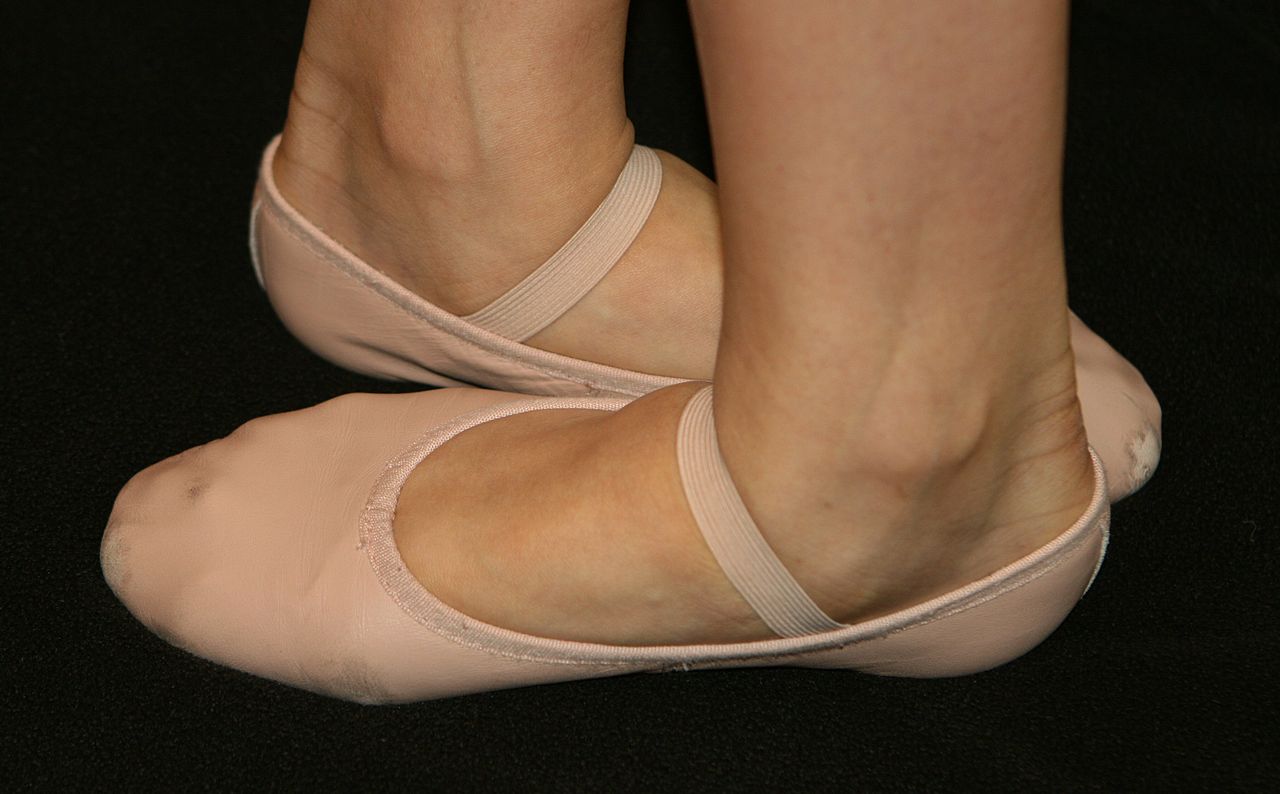

Structure and common parts
Shoes combine several principal components. The upper wraps the top and sides of the foot and is made from materials such as leather, textiles or synthetic fabrics. The sole is the bottom section that contacts the ground; it may include an insole, midsole and outsole for cushioning, stability and wear resistance. Other features include the heel, toe box, closures (laces, straps, zippers) and interior linings. Specialized additions—orthotic inserts, cleats, or waterproof membranes—adapt shoes to particular tasks.
Types and typical uses
Shoe designs reflect their intended activities. For exercise, athletic shoes often have lightweight uppers and cushioned soles to improve comfort and reduce impact during running and related activities. Many people choose specific models for walking or jogging to support foot biomechanics. Formal or dress shoes are commonly made from polished leather and worn for business or ceremonial occasions. Casual categories include sandals, loafers and slippers, while footwear with an elevated shaft—known as boots—serves outdoor, work and fashion purposes. Shoes with raised heels are often described as high heels. Specialized types include safety shoes with steel toes, cleated sports shoes, and medical or diabetic footwear.
History and development
Footwear has a long history: humans have used simple coverings to protect feet for thousands of years. Over time, styles evolved from basic sandals and moccasins to complex, machine-made footwear after industrialization. Advances in materials—vulcanized rubber, plastics, foam cushioning—and mass-production methods transformed availability and variety, enabling both utilitarian and high-fashion applications worldwide.
Importance, care and selection
Shoes serve multiple roles: protection from injury and weather, support during movement, hygiene and personal style. Choosing appropriate shoes affects comfort, foot health and performance. Regular maintenance—cleaning, polishing, drying wet shoes and replacing worn soles—extends life. Many wearers combine shoes with socks to reduce friction and absorb moisture. Occupational and sports settings often require specific footwear to reduce risk of harm.
Notable distinctions and considerations
- Gendered and unisex styles coexist; sizing systems differ by region and brand.
- Shoes vary in sustainability: material sourcing and disposal raise environmental concerns.
- Handcrafted and bespoke shoes contrast with mass-produced models in cost and fit.
- Hygiene, cultural norms and fashion influence when and where shoes are worn; in many cultures shoes are removed indoors to maintain hygiene.
For further reading on design, materials and modern trends, see specialist sources and footwear industry guides. Footwear continues to adapt as new materials, manufacturing techniques and social fashions reshape how people protect and present their feet.
Related articles
Author
AlegsaOnline.com Shoe: form, function and varieties of human footwear Leandro Alegsa
URL: https://en.alegsaonline.com/art/89936