
High heels
Elevated-heel shoes whose rear is higher than the forefoot; a fashion item with varied styles, history, uses, and health considerations across cultures and genders.
High heels are shoes in which the heel is set higher than the toe, creating an inclined sole and changed posture. Often associated with women's fashion, they also appear in men's footwear traditions. The raised heel alters gait, silhouette and how weight is borne by the foot; for a basic definition see shoe types with elevated heels and the toe–heel relationship at toe-to-heel elevation.
Image gallery
10 Images


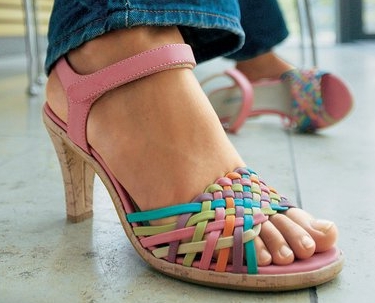

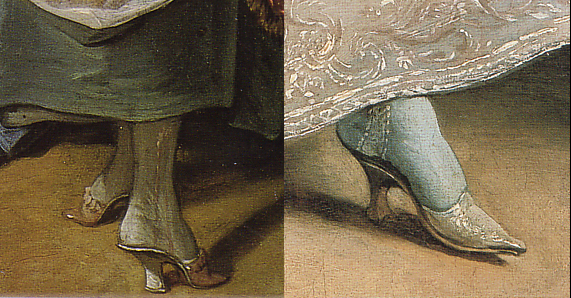


Characteristics and common types
Heels vary by height, shape and construction. Typical parts include the heel, insole, outsole and counter. Common styles include:
- Stiletto: tall, thin heel that narrows dramatically.
- Wedge: continuous sole from heel to toe providing more support.
- Platform: raised sole under the forefoot plus elevated heel.
- Kitten heel: short, slender heel for subtle lift.
- Block heel: wider, squared heel for stability.
History and development
Elevated heels have appeared in multiple cultures for centuries, serving practical, social and aesthetic roles. They have been used to improve footing on rough terrain, to indicate social rank, and later as a fashion statement. The styles and materials evolved with shoemaking techniques, industrial production and changing cultural tastes.
Uses, symbolism and examples
High heels are widely used in fashion, performance and formal dress. They can convey elegance, authority or glamour and are common in runway, evening wear and certain professional settings. For a broader view of heels in fashion contexts see fashion and footwear. Some male footwear traditions also feature raised heels, notably cowboy boots and designs with a Cuban heel.
Health and practical considerations
Because heels shift weight toward the forefoot and change joint angles, prolonged or very high heels can contribute to discomfort, pressure on the toes, and altered posture. Choosing appropriate height, fit and support helps reduce issues; alternatives such as wedges or lower heels lessen strain. Footwear choice balances aesthetics, comfort, and function, and preferences vary by culture, occupation and personal taste.
Questions and answers
Q: What are high heels?
A: High heels are shoes that have heels which are much higher than the toes.
Q: Who commonly wears high heels?
A: High heels are a fashion item that is usually worn by women.
Q: What are cowboy boots?
A: Cowboy boots are a type of shoe that have high heels and are worn by men.
Q: What are Cuban heels?
A: Cuban heels are a type of shoe that have high heels and are also worn by men.
Q: Do high heels serve any practical purpose?
A: High heels do not serve any practical purpose and are mainly worn for fashion.
Q: What is the difference between high heels and regular shoes?
A: High heels have significantly higher heels than regular shoes.
Q: Are high heels only worn by women?
A: While high heels are primarily worn by women, there are also some styles, such as cowboy boots and Cuban heels, that are worn by men.
Related articles
Author
AlegsaOnline.com High heels Leandro Alegsa
URL: https://en.alegsaonline.com/art/44099
Sources
- newhumanist.org.uk : Heights of madness
- sizefitguide.com : Glossary of terms for women's shoe styles
- urosource.com : Women pay attention to shoe heels: besides causing schizophrenia they might affect your pelvic floor muscle activity!!
- news.bbc.co.uk : High heels 'may improve love life'
- time.com : "The shoes of Imelda Marcos"