
Fashion: Meaning, History, Components and Cultural Significance
Fashion covers clothing, accessories and interior trends. It reflects cultural values, identity and social change; this article explains its parts, development, uses, and notable distinctions worldwide.
Overview
Fashion is the set of styles and practices that govern how people present themselves through clothing, accessories, grooming and even furnishings. It is both a personal mode of expression and a social phenomenon shaped by aesthetics, technology, economy and traditions. While often associated with garments, fashion also reaches into jewellery, footwear, hairstyling and interior décor, influencing how individuals and groups are perceived.
Image gallery
10 Images
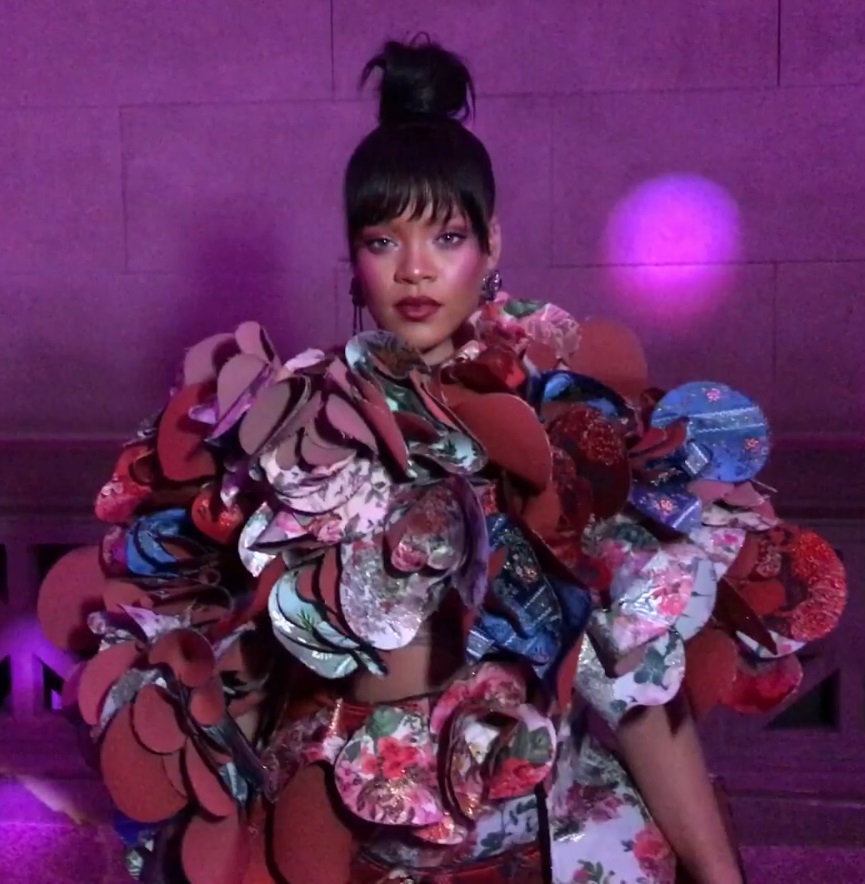


Key components
Fashion is made up of several interrelated parts:
- Apparel: garments for everyday life, work, ceremony and performance — from casual wear to formal attire.
- Accessories: items such as bags, belts, hats, scarves and jewellery that complement or transform an outfit.
- Footwear and grooming: shoes, hairstyles and cosmetic choices that complete a look.
- Interior and functional design: furnishings and textiles that reflect stylistic trends in private and public spaces.
History and development
Fashion evolves through cycles of innovation, adaptation and revival. Across centuries, shifts in materials, manufacturing methods and communication have accelerated change: from handcrafted garments and local dress codes to mass-produced clothing and global runway trends. Designers, artisans, retailers, celebrities and consumers all play roles in creating and popularizing new styles. Political events, trade, and technological advances (for example, synthetic fabrics or digital retail) also shape what people wear.
Cultural variation and context
Local climate, customs and values strongly influence fashion. Practical needs produce different wardrobes—warmer, layered clothing is typical in northern climates, while lighter fabrics prevail in tropical regions. Cultural identity and symbolism appear in traditional dress and contemporary reinterpretations. For example, discussions of national or regional styles often mention distinctions such as Scandinavian simplicity or West African colourful textiles; both practical and aesthetic factors feed these patterns. See further reading on clothing and cultural impact at culture resources. Specific regional vocabularies for dress are collected in sources about Swedish fashion and modern trends in African fashion.
Functions and examples
Fashion serves many purposes: protection from the elements, social signalling (status, group membership), professional requirements, performance or ceremony, and personal expression. Streetwear, haute couture, work uniforms and sustainable fashion movements illustrate different aims and audiences. Designers and brands may prioritize innovation, tradition, ethics or commerce; consumers respond according to taste, budget and values.
Notable distinctions and contemporary issues
Important conversations in fashion today include sustainability, labour conditions, cultural appropriation, and the impact of fast production cycles. Technological changes such as digital design, virtual try-on and e-commerce are reshaping how trends spread. Understanding fashion requires attention to aesthetics, material production, and the social contexts that give garments meaning.
Related articles
Author
AlegsaOnline.com Fashion: Meaning, History, Components and Cultural Significance Leandro Alegsa
URL: https://en.alegsaonline.com/art/33596