
Shoemaking: craft, materials, history and modern practice
Overview of shoemaking: traditional techniques, common materials, historical development, modern mass production and bespoke work, plus distinctions like cordwainer vs cobbler.
Shoemaking is the craft and industry of producing footwear, encompassing a wide range of methods from handcrafting to mechanized assembly. Historically shoemaking produced each pair individually for function and fit; today the term covers both artisanal production and large-scale manufacturing of footwear. The process includes patterning, cutting, lasting, sole attachment and finishing, with choices at each stage affecting comfort, durability and style.
Image gallery
10 Images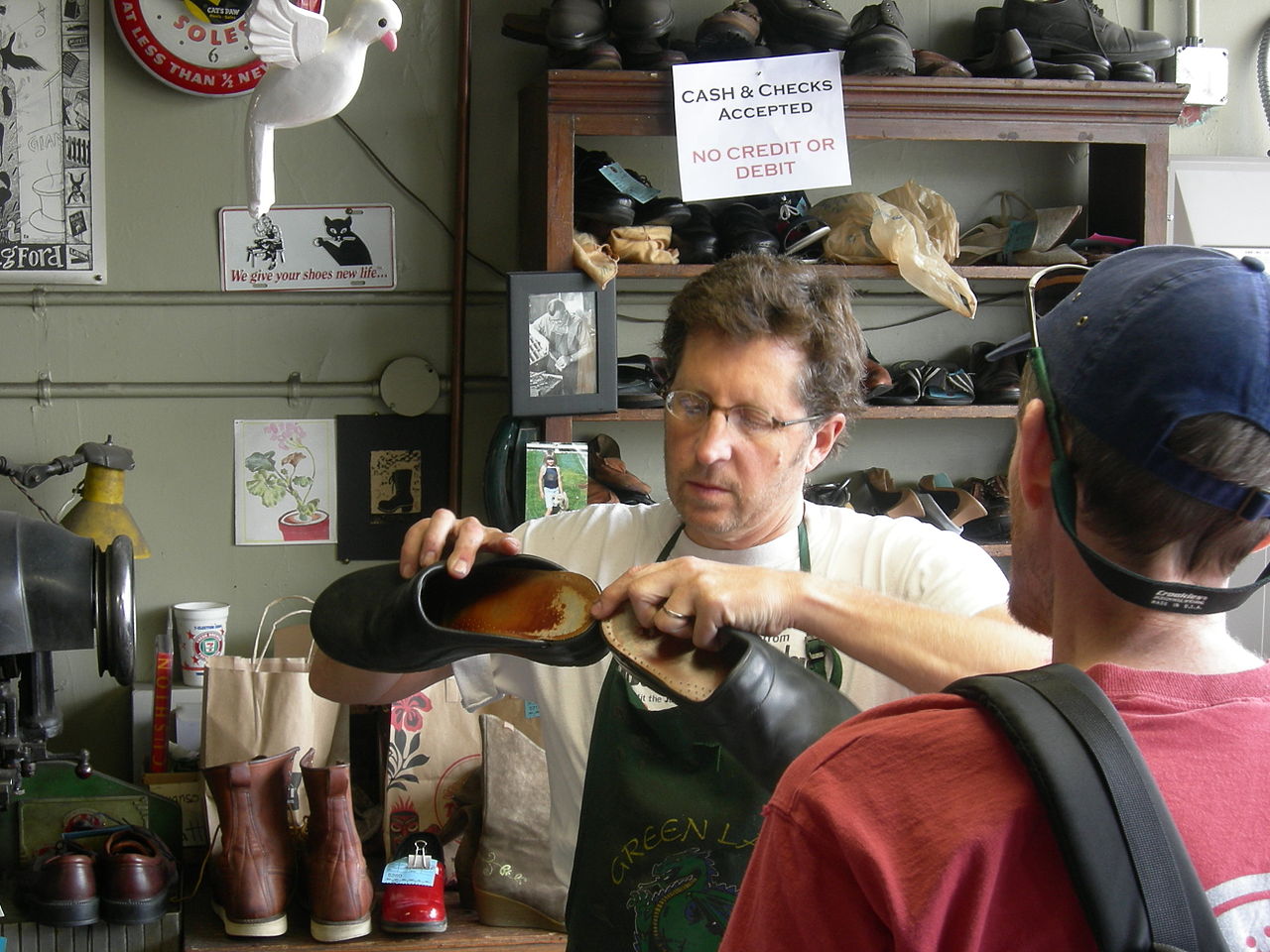



Materials and common types
Traditional shoes often use leather for uppers and wood or leather for soles, while modern mass-market items use rubber, plastic or woven plant fibers such as jute. Shoemakers may specialize in a variety of items, including boots, sandals, moccasins and clogs. Techniques vary by material: leather requires tanning and skiving, while synthetic soles are molded or injected.
Techniques and workshop practice
Handmade shoemaking relies on tools for cutting, stitching, lasting and welt or cement attachment. In contrast, industrial methods use specialized machinery to increase speed and uniformity. Many contemporary makers mix approaches: machine-cut components assembled and finished by hand to achieve economies without losing quality. Some buyers seek handmade work specifically for high quality or custom fit.
History and development
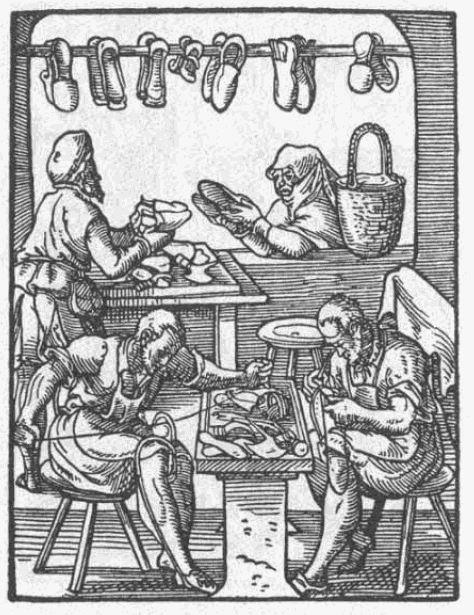
The craft grew from local handicraft traditions in which a learned trade passed through apprenticeships and guilds. The Industrial Revolution introduced mechanization and mass production, dramatically lowering costs and changing distribution. Despite that shift, regional styles and bespoke techniques persisted, influencing fashion and functional design.
Uses, importance and markets
Shoes serve protective, functional and cultural roles. Specialized footwear supports occupations, sports and ceremonial uses; designers balance ergonomics, materials and manufacturing considerations. Markets range from bespoke bespoke and luxury ateliers to global brands producing millions of pairs annually.
Distinctions and terminology
In traditional terminology a cordwainer is a craftsman who makes new high-quality leather shoes, while a cobbler repairs and refurbishes footwear. Contemporary shoemakers may perform both roles or work within factories and design firms. For further reading on techniques and styles see resources such as boots guides, materials primers like those on sandals design, and historical surveys at moccasins collections or technical introductions to footwear making.
- Common materials: leather, rubber, plastic, jute.
- Production modes: handicraft, industrial, mass production.
- See makers of high quality custom footwear for bespoke techniques.
Related articles
Author
AlegsaOnline.com Shoemaking: craft, materials, history and modern practice Leandro Alegsa
URL: https://en.alegsaonline.com/art/89937
Sources
- search.barnesandnoble.com : A Child's Introduction to Poetry