
Shorts: design, types, history, and cultural uses
Shorts are garments that cover the waist and upper legs but not the entire leg. This article explains types, construction, history, uses, care, and social distinctions around shorts.
Overview
Shorts are garments that extend from the waist to some point on the thigh, ending well above the ankle. They are a shortened form of trousers or pants and are worn by people of all genders. Depending on context, the term may include outerwear and certain kinds of underwear. In different varieties they serve practical, athletic, or fashion purposes.
Image gallery
10 Images




Characteristics and common types
Shorts are defined mainly by length, cut and intended use. Length is typically described by inseam and can range from very short styles to knee-length versions. Common types include:
- Bermuda/Chino shorts: tailored, usually knee- to mid-thigh length, worn for casual or semi-casual settings.
- Athletic shorts: lightweight, often with moisture-wicking fabrics for running, basketball, or gym use.
- Swim trunks and boardshorts: designed for water, quick-drying materials and lining choices vary.
- Cargo and utility shorts: rugged fabrics with additional pockets for work or outdoor activities.
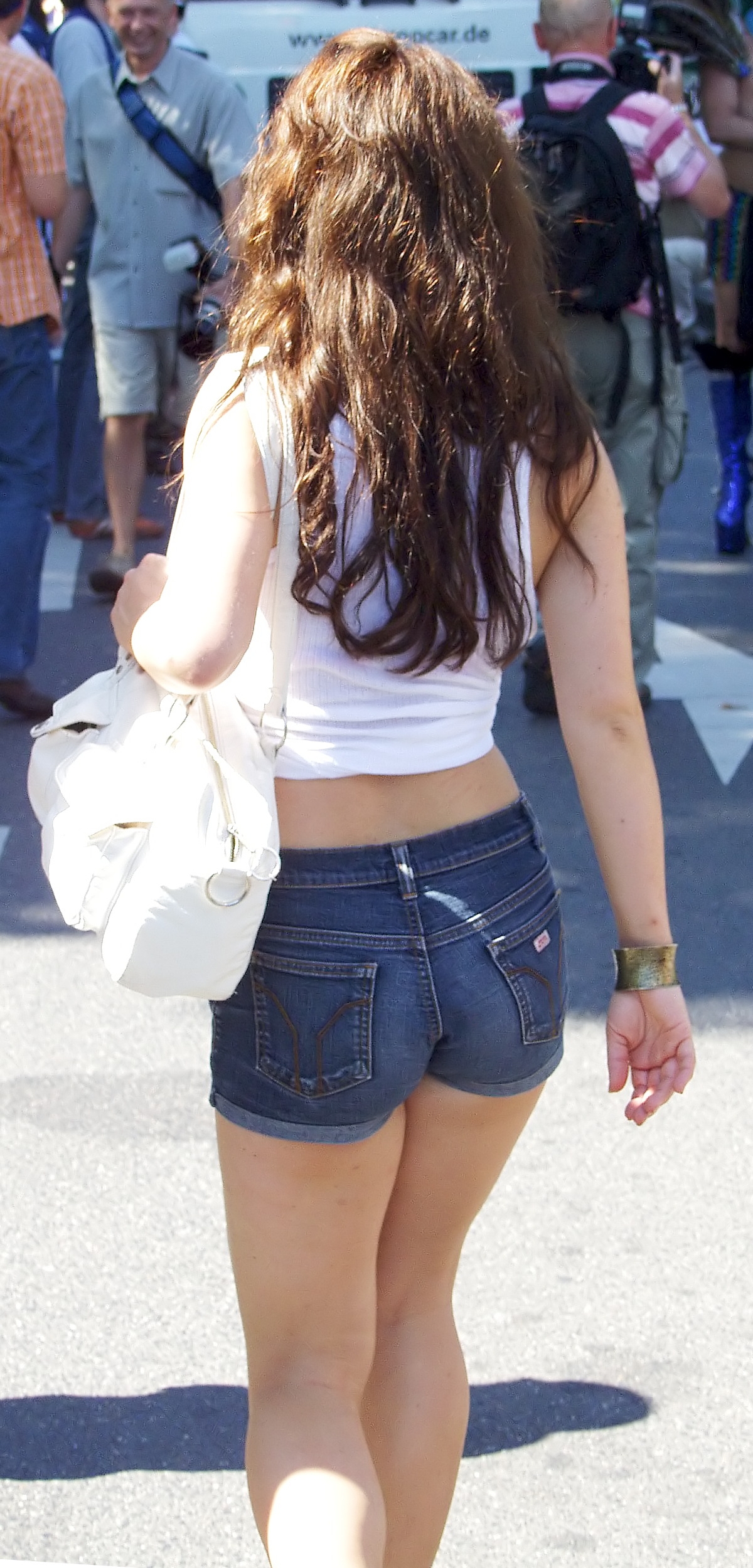
- Denim and cutoff shorts: fashion-oriented, made from jeans or altered trousers.
History and development
Shorts evolved from longer leg coverings as climates, leisure activities, and social norms changed. Versions of shortened trousers were adopted for children and for military use in warmer regions before becoming widespread in sports and casual wear. Over the 20th century shorts moved from strictly informal or specialized clothing into everyday wardrobes in many countries.
Uses, etiquette and cultural notes
Shorts are popular for comfort in warm weather, for athletic performance, and as a fashion item. Social conventions vary: some workplaces and institutions permit shorts, others require longer trousers. Schools often maintain dress codes about acceptable lengths. In many cultures shorts are associated with leisure; in others they remain primarily a sporting garment.
Materials, care and fit
Fabric choices include cotton, denim, synthetic blends, and technical textiles designed for breathability and quick drying. Fit details—waistband type, fly, pockets, and hem finishes—affect comfort and function. Care instructions follow the fabric: machine wash for most cottons and synthetics, gentler handling for specialty materials and trims.
Distinctions and notable facts
The word and the garment have different connotations in varieties of English; historically people contrasted shortened styles with full-length British English terms or with American English usage of equivalent words. Practical distinctions also matter: shorts for water use differ from those for hiking, and underwear styles called "shorts" are distinct from outerwear. For anatomical description, they cover the upper legs rather than the lower leg or ankle, which is the essential difference from full-length trousers.
Questions and answers
Q: What are shorts?
A: Shorts are a type of clothing which are a shortened version of trousers or pants. They reach only up to the upper part of the legs or more, but do not cover the entire leg.
Q: Can both men and women wear shorts?
A: Yes, both men and women can wear shorts.
Q: What is the origin of the name "shorts"?
A: Shorts are called "shorts" because they are a shortened version of trousers which cover the entire leg.
Q: How are shorts worn?
A: Shorts are worn either as an outer garment or as underwear.
Q: What is the purpose of wearing shorts?
A: People wear shorts for a multitude of reasons including to stay cool in hot weather, for comfort, for style, or for ease of movement.
Q: Are shorts only worn during warm weather?
A: Generally, shorts are associated with warm weather, but they can be worn in other weather conditions, depending on their material and style.
Q: What is the difference between shorts and trousers?
A: Shorts are a shortened version of trousers, which cover the entire leg. Shorts only reach up to the upper part of the legs or more, but do not cover the entire leg.
Related articles
Author
AlegsaOnline.com Shorts: design, types, history, and cultural uses Leandro Alegsa
URL: https://en.alegsaonline.com/art/90007