
Athletic shoe: design, types, history and cultural impact
Athletic shoes are footwear engineered for physical activity and everyday wear. This article explains their construction, variety, development, common names, uses, and cultural and environmental aspects.
An athletic shoe is a category of footwear created primarily for sport, exercise and other physical activities but now widely worn as everyday casual shoes. Compared with dress shoes, athletic shoes prioritize flexibility, shock absorption and traction. They often include cushioning, breathable uppers and rubber or synthetic outsoles to support movement and reduce injury risk. The term covers many subtypes—running shoes, trainers, court shoes and more—each tuned to particular motions and surfaces.
Image gallery
10 Images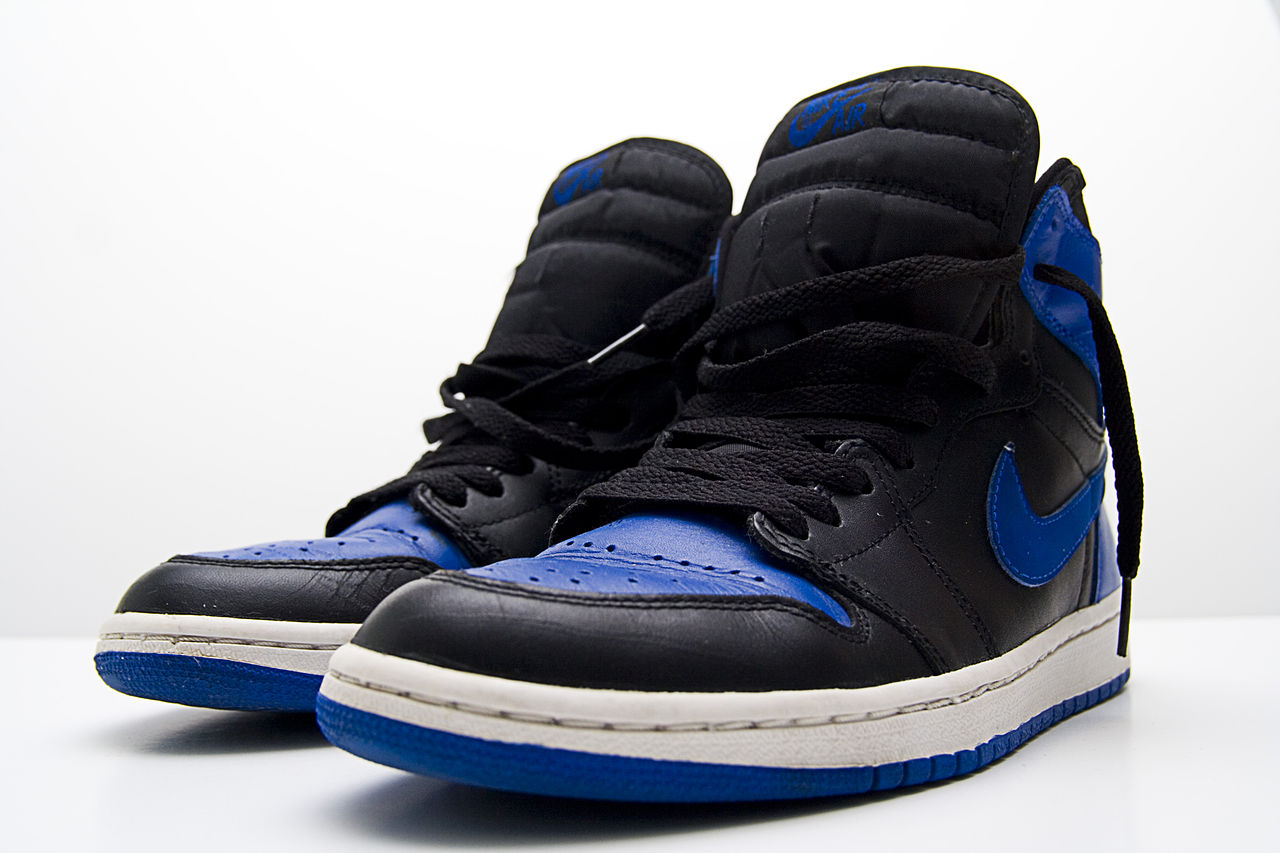


Names and regional terms
These shoes are known by many names around the world. Common English variants include sneakers and runners, while British speakers often say trainers. Other regional terms are sandshoes in parts of Australia, sporting footwear in generic contexts, and informal labels such as kicks or tennies. Educational and workplace uses have made them a common daily choice for comfort and versatility.
Typical construction and components
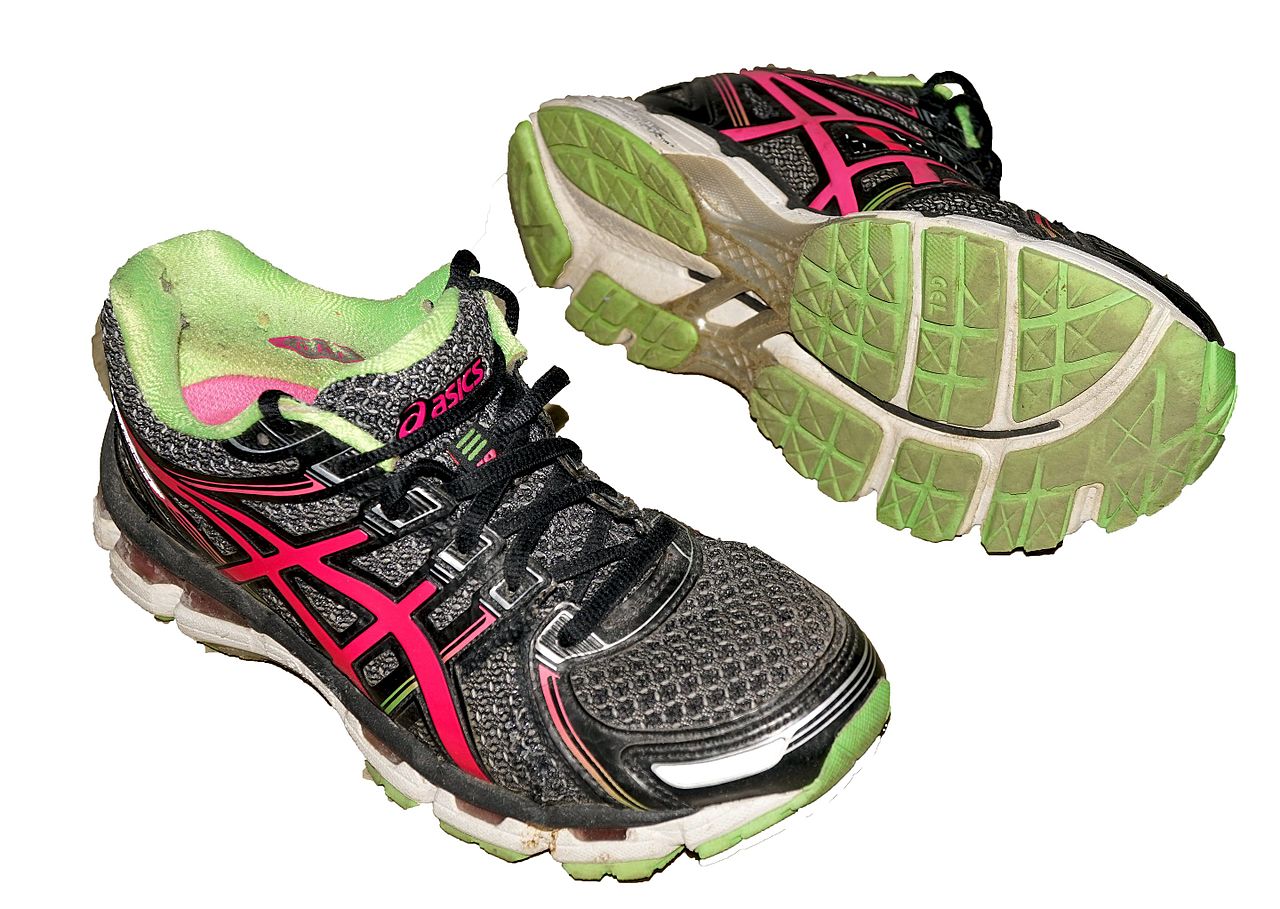
Most athletic shoes share a basic layered structure: an upper that holds the foot, a midsole that provides cushioning and control, and an outsole that contacts the ground. Uppers are made from leather, synthetic fabrics or mesh to balance support and ventilation. Midsoles commonly use foam, gel or other resilient materials to absorb impact and return energy, while rubber and synthetic compounds form durable outsoles with patterned treads for grip. Additional features can include arch support, heel counters, toe reinforcements and removable insoles to accommodate orthotics.
Types and intended uses
- Running shoes: designed for forward motion and repeated impact, with varied cushioning and stability levels.
- Training or cross-trainers: built for lateral movement and gym activities, offering a flatter sole and multidirectional support.
- Court shoes: used for sports like tennis or basketball where quick side-to-side motion and court traction are important.
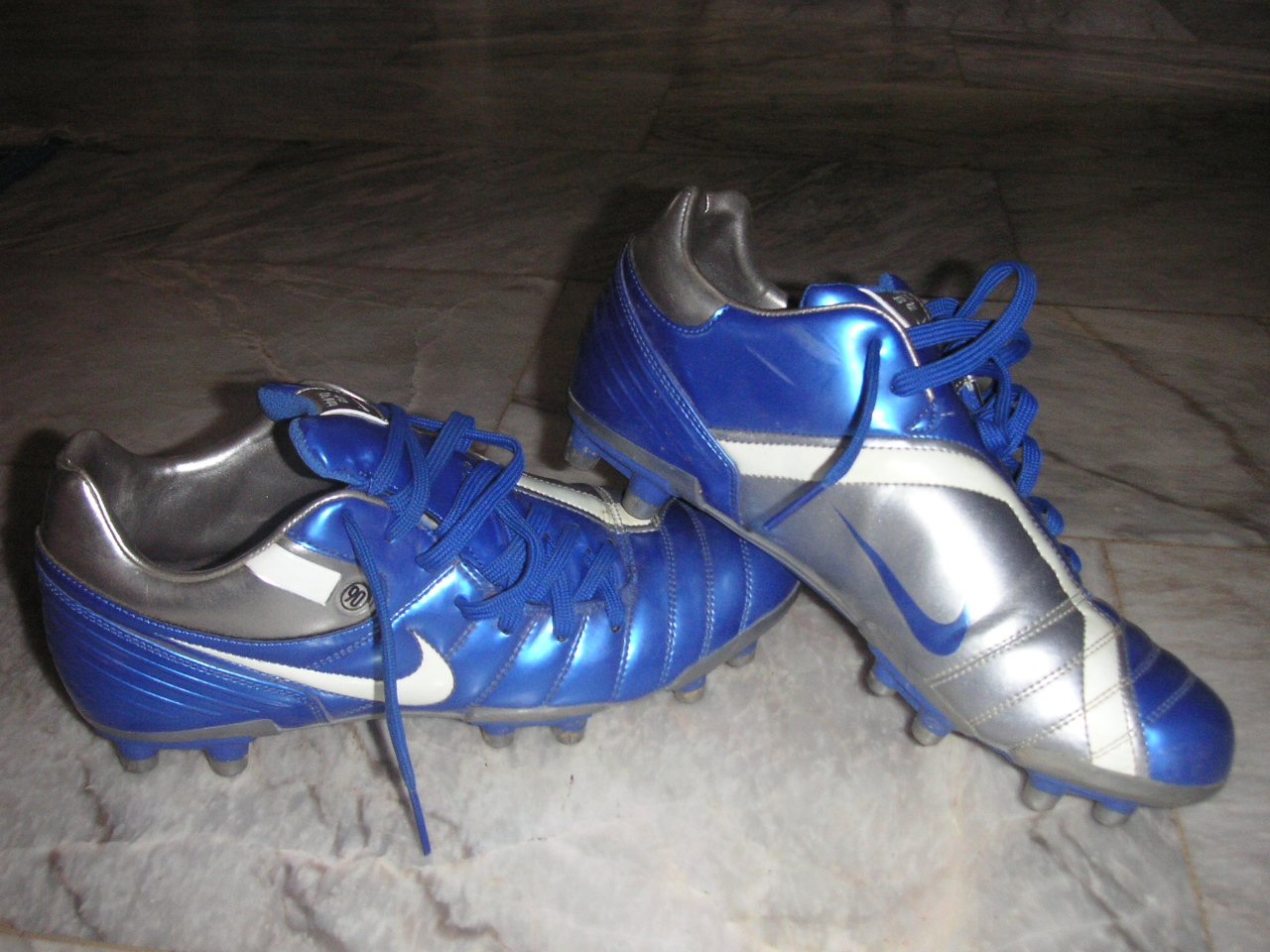
- Specialty shoes: cleats for field sports, weightlifting shoes with rigid soles, and minimalist shoes that mimic barefoot mechanics.
History and development
Footwear intended for athletics evolved from simple canvas and rubber designs into engineered systems that reflect advances in materials science and biomechanics. Early flexible rubber-soled shoes gave way to layered midsoles and purpose-built uppers as sport-specific needs were identified. Over time, cushioning systems, breathable fabrics and outsole compounds improved performance and comfort. More recently, sustainability concerns and digital design tools have influenced material choices and manufacturing methods.
Cultural significance and considerations
Athletic shoes have become fashion staples and collector items, influencing streetwear and popular culture. This cultural prominence has driven collaborations, limited editions and resale markets. At the same time, consumers and manufacturers face choices about durability, repairability and environmental impact—synthetic materials and fast fashion cycles raise questions about waste and recycling. Awareness of fit, activity needs and foot health remains important: the right shoe can reduce injury risk and improve comfort during sport and daily life.
For further reading on design principles, materials and usage guidance see resources linked here: sports resources, casual wear guides, and technical references at material studies and regional terminology. Additional context on naming and informal terms can be found via Australian terminology and Canadian usage.
Questions and answers
Q: What is an athletic shoe?
A: An athletic shoe is a type of shoe designed for sports and physical activities.
Q: How are athletic shoes different from dress shoes?
A: Athletic shoes are different in style and build than dress shoes.
Q: What are some names for athletic shoes?
A: Athletic shoes can go by the name trainers, sandshoes, running shoes, sneakers, sport shoes, gym shoes, tennis shoes, tennies, sneaks, kicks, or takkies.
Q: What are athletic shoes made of?
A: Athletic shoes are made of flexible material, with soles made from rubber and an upper part made with leather or canvas.
Q: Were sneakers originally used for sports?
A: Yes, sneakers were originally used for sporting activities.
Q: Can sneakers be used for casual wear?
A: Yes, today sneakers are also used as casual footwear.
Q: Are sneakers comfortable?
A: Yes, sneakers are often very comfortable and usually have lots of padding.
Related articles
Author
AlegsaOnline.com Athletic shoe: design, types, history and cultural impact Leandro Alegsa
URL: https://en.alegsaonline.com/art/6944