
Running: movement, health benefits, styles, and practical guidance
Running is a method of moving on foot used for transport, exercise and sport. This article explains what running is, its biomechanics and history, common types, health benefits, training advice and injury prevention.
Running is a form of terrestrial locomotion in which an individual moves rapidly on foot, typically with brief airborne phases when neither foot contacts the ground. As a mode of movement it differs from walking primarily by gait mechanics and cadence: running involves higher speeds, greater ground reaction forces and moments of suspension. People run for many reasons, including commuting, recreation, fitness, competition and as part of occupational tasks. For travel on land see land movement.
Image gallery
10 Images




Characteristics and common types
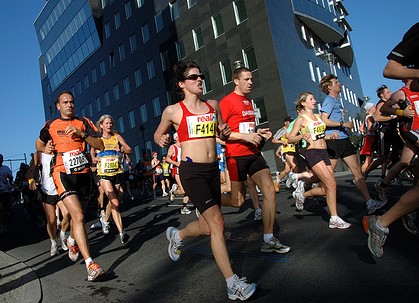
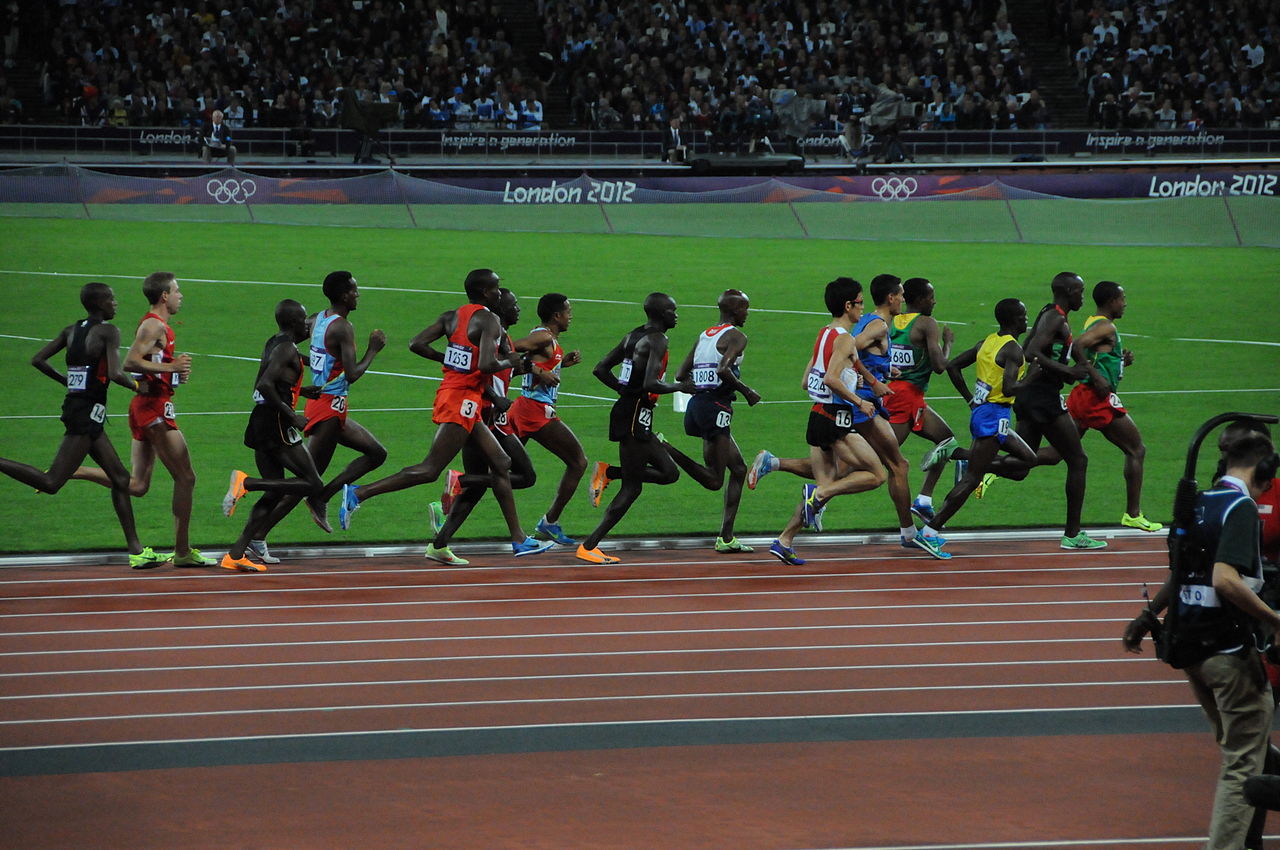
Running covers a spectrum of intensities. Recreational jogging is a steady, moderate-pace effort often used for endurance and general fitness. Tempo or threshold running sits between jogging and fast running, intended to raise sustainable pace. Sprinting is maximal-effort running over short distances. Other forms include interval sessions, trail running on uneven terrain, and cross-country running across natural landscapes. Terms such as speed and pace are used to distinguish these forms; examples include jogging for lower intensity and sprinting for very high intensity.
Biomechanics and equipment
Biomechanically, a running stride comprises stance and swing phases, with muscle groups in the hips, thighs and calves generating propulsive force. Foot strike patterns (heel, midfoot, forefoot) and cadence influence efficiency and injury risk. Most modern runners use specialized footwear that provides cushioning, stability and traction; minimalist shoes or barefoot-style running exist as alternatives for some. Proper clothing, visibility aids and surface-appropriate shoes reduce discomfort and hazards during training.
History, culture and events
Running is among the oldest human activities and has been part of hunting, migration and ritual across cultures. As an organized sport, it is central to athletics competitions and was prominent in ancient festivals and later in the modern Olympic movement. Today running events range from short-track sprints and middle-distance races to marathons and ultramarathons. Club-level and community events are common, and many cities host annual road races that attract recreational and elite athletes alike.
Health benefits, nutrition and hydration
Regular running improves cardiovascular fitness, lung capacity and metabolic health, supporting weight management and mental wellbeing. It can reduce stress and raise mood through biological and psychological mechanisms. Because running increases fluid loss and energy expenditure, runners should plan nutrition and fluid intake appropriately: pre-run meals, carbohydrate intake for long efforts, and rehydration during and after activity. Attention to thirst and fluid balance is important — running often produces increased thirst, so access to water is advisable — and warm-up breathing helps prepare the respiratory system for exertion, see breathing techniques.
Training, safety and injury prevention
Effective training balances progressive overload with recovery. Beginners should increase weekly distance slowly, combine easy and harder sessions, and include strength and flexibility work to support running muscles and joints. Common injuries include overuse conditions such as shin splints, runner’s knee and Achilles tendinopathy; risk is reduced by proper footwear, gradual progression, cross-training and listening to pain signals. Running etiquette — yielding on trails, passing politely and obeying traffic rules — helps keep participants safe and considerate.
- Typical uses: fitness, competition, transport and social activity.
- Major distinctions: walking vs running (aerial phase), jogging vs sprinting (intensity).
- Useful resources: local running clubs, coaching programs and event calendars; see organized sport opportunities.
For practical tips, beginners often benefit from alternating walking and running, finding comfortable shoes, and setting achievable goals. Experienced runners emphasize variety, recovery and technique work to maintain performance and reduce injury. For further introductory information and community resources consult running guides and local programs via community pages or specialized sites that cover training plans and event listings.
Questions and answers
Q: What is running?
A: Running is a way of fast travel on feet on land where both feet regularly come off the ground.
Q: How is running different from walking?
A: Running is different from walking as both feet are regularly off the ground at the same time.
Q: What are the terms used to refer to running according to the speed?
A: The terms used to refer to running according to the speed are jogging for slow running and sprinting for fast running.
Q: What are the benefits of running?
A: Running is known to be good for health; it helps breathing and heartbeat, burns extra calories, and keeps a person fit and active. It also relieves stress.
Q: Why is it important to drink water when running?
A: Running makes a person thirsty, so it is important to drink water when running to prevent dehydration.
Q: Is running a popular form of exercise?
A: Yes, running is a popular form of exercise.
Q: Is running a new form of sport?
A: No, running is not a new form of sport. It is one of the oldest forms of sport.
Related articles
Author
AlegsaOnline.com Running: movement, health benefits, styles, and practical guidance Leandro Alegsa
URL: https://en.alegsaonline.com/art/84755
Sources
- books.google.com : Animal Locomotion
- washingtonpost.com : "Exercise Could Slow Aging Of Body, Study Suggests"
- well.blogs.nytimes.com : "Phys Ed: Why Doesn't Exercise Lead to Weight Loss?"
- doi.org : 10.1021/es903183r
- pubmed.ncbi.nlm.nih.gov : 20337470