
Skirt: a garment that hangs from the waist
A skirt is a garment that hangs from the waist; this article explains forms, construction, history, uses and distinctions across cultures and gender traditions.
Overview
A skirt is a simple garment or piece of clothing that hangs downward from the waist. It exists in many lengths, shapes and materials and is worn in a wide range of cultures. Skirts can be designed for women, for men, or as unisex items, and they are sometimes paired with separate tops or as the lower portion of a one-piece dress.
Image gallery
10 Images






Characteristics and construction
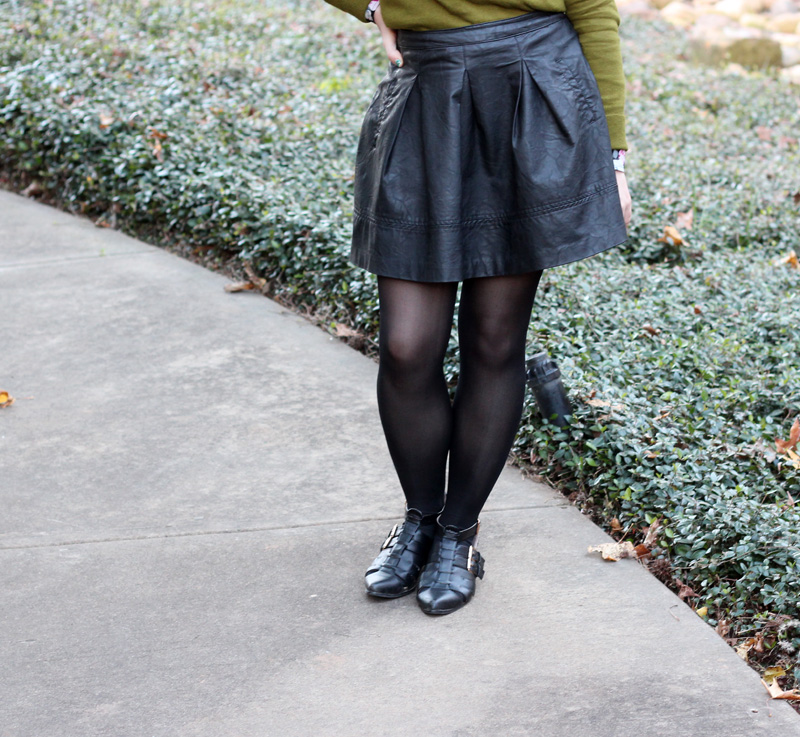
Typical elements of a skirt include a waistband or yoke that secures it at the waist, a body formed from panels, pleats, or a circular cut, and a hem finishing the lower edge. Common length categories are mini, midi and maxi, describing short, mid-calf and ankle-length garments respectively. Fabrics range from sturdy wool and denim to lightweight cotton and silk; linings, fastenings (zippers, buttons, ties) and trims affect both fit and style.
Types and examples
- Tailored pencil skirts often worn in professional settings.
- Flared or circular skirts that emphasize movement and shape.
- Pleated skirts, both crisp and soft, used in uniforms and everyday wear.
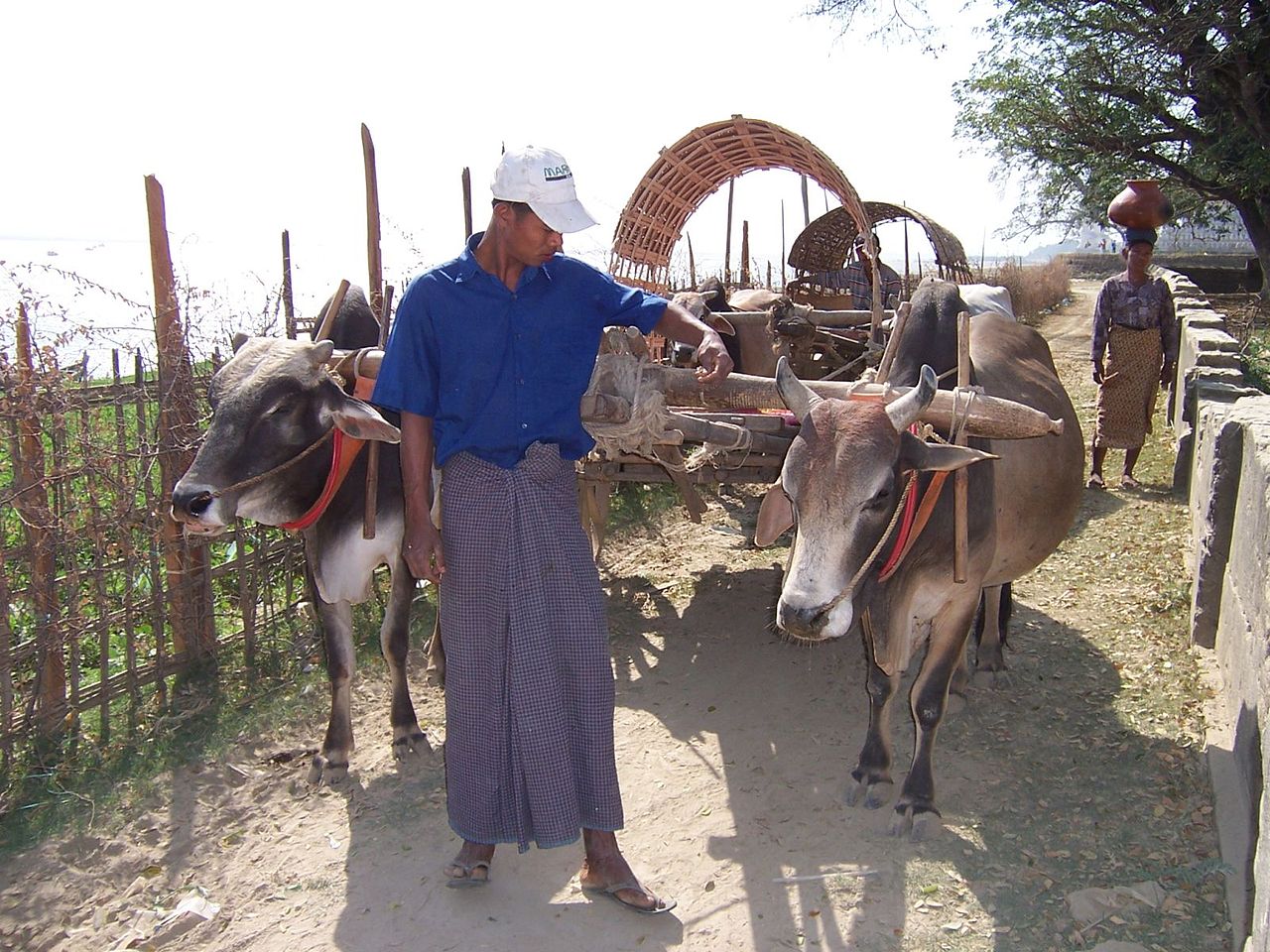
- Traditional male skirts such as the Scottish kilt or the Mediterranean fustanella, still used ceremonially and culturally.
History and cultural context
Skirt-like garments are among the oldest forms of clothing, appearing in ancient societies where a wrapped or draped piece of cloth was convenient and adaptable. Over centuries the skirt has reflected social norms and fashion: in some periods it signaled gender distinction, while in others it served practical or ceremonial functions. In contemporary Western and European dress codes skirts are commonly associated with women, though exceptions and revivals continue to challenge that association.
Uses, occasions and distinctions
Skirts appear in everyday wear, professional attire, formal dress and traditional costume. They are chosen for comfort, climate adaptability and style. At semi-formal or formal events skirts may be worn as separates or as the lower part of a full dress, and certain events or uniforms still favor skirts for specific roles. When discussing garments, it is useful to distinguish a skirt from trousers (which have separate legs) and from a dress whose upper and lower parts are joined. For guidance on dress codes and formality see general references on formal wear and etiquette here.
Because skirts vary so widely by cut, material and cultural meaning, they remain a versatile and enduring element of clothing worldwide.
Related articles
Author
AlegsaOnline.com Skirt: a garment that hangs from the waist Leandro Alegsa
URL: https://en.alegsaonline.com/art/90946