
Sleeve (garment component)
A sleeve is the part of a garment that covers the arm. This article describes sleeve anatomy, common styles, historical development, practical uses, and notable differences.
Overview
A sleeve is a covering for the arm attached to or integrated with a garment. It can be made from many fabrics and finishes and serves both functional and decorative roles. Sleeves vary in length, width and construction and are a defining element of shirts, jackets and dresses. Materials used for sleeves range from lightweight woven cloth to knitted fabrics and technical textiles for protection or athletic performance. For a basic reference to the raw textile component see material, and for context within garments see shirt.
Image gallery
10 Images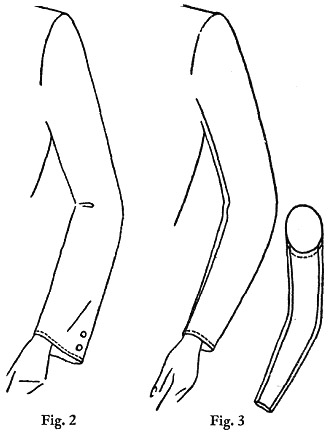


Structure and components
Typical parts of a sleeve include the sleeve cap or head (the curved top that fits into the armhole), the body of the sleeve, cuffs, plackets and sometimes vents. Details such as gathers, pleats or elastic produce fullness; hems or attached cuffs finish the lower edge. Tailored sleeves may include lining, interfacing or padding. Construction choices affect range of motion, silhouette and durability.
Common sleeve styles
- Set-in sleeve: sewn into an armhole with a defined shoulder seam; common in tailored garments.
- Raglan sleeve: extends in one piece to the collar, creating a diagonal seam from underarm to neckline; often used in casual wear.
- Kimono sleeve: cut in one with the bodice for a continuous panel and relaxed fit.
- Bell, bishop and puff sleeves: stylistic variants that add volume through gathers, pleats or flares.
- Cap and sleeveless: minimal coverage styles that end at or above the shoulder.
Length descriptors include sleeveless, cap, short, three-quarter and long sleeves; each choice alters both function and visual proportion.
History and development
Sleeve shapes and attachments have evolved with tailoring techniques and cultural fashion. In many regions, sleeves were adapted as a means of displaying status through decoration and fullness. Advances in sewing and patternmaking expanded possibilities in the modern era, allowing both mass-produced standard sleeves and bespoke variations in haute couture. Functional developments — such as insulating linings or weatherproof fabrics — broadened sleeve use in uniforms and outdoor clothing.
Uses and cultural significance
Sleeves protect from weather, abrasion and sun exposure, and they communicate style, profession and social signals. In uniforms and workwear sleeve design balances mobility and protection. In fashion, sleeve treatments are a focal point for seasonal trends. Some cultures and religions have conventions about sleeve length or ornamentation that remain important in dress codes.
Care, distinctions and notable facts
Care needs depend on fabric and construction: delicate finishes, embroidery or integrated lining may require special cleaning. Detachable sleeves or adjustable closures add versatility. Distinct from garments described as sleeved or sleeveless, sleeves themselves can be recycled or altered to change a garment's look. When choosing a sleeve style, consider movement, climate and the garment's overall balance.
Related articles
Author
AlegsaOnline.com Sleeve (garment component) Leandro Alegsa
URL: https://en.alegsaonline.com/art/91096