
Hygiene: personal and public practices for maintaining health
Hygiene comprises habits and practices—personal, domestic, and public—aimed at preserving health, preventing infection and contamination, and promoting wellbeing across societies.
Overview
Hygiene refers to the routines and environmental measures that reduce exposure to pathogens, remove dirt, and support general health. It encompasses individual care such as washing and tooth-brushing, household cleanliness, safe food handling and sanitation systems. Everyday actions that are widely considered part of hygiene include bathing, handwashing, oral care, and safe waste disposal; these can be introduced early in life and become habitual behaviors that protect both individuals and communities. For general reading on basic practices, see cleanliness and personal care.
Image gallery
10 Images



Common practices and components
Hygiene covers several interrelated areas:
- Personal hygiene: bathing, hair and nail care, shaving and grooming, and regular laundering of clothes.
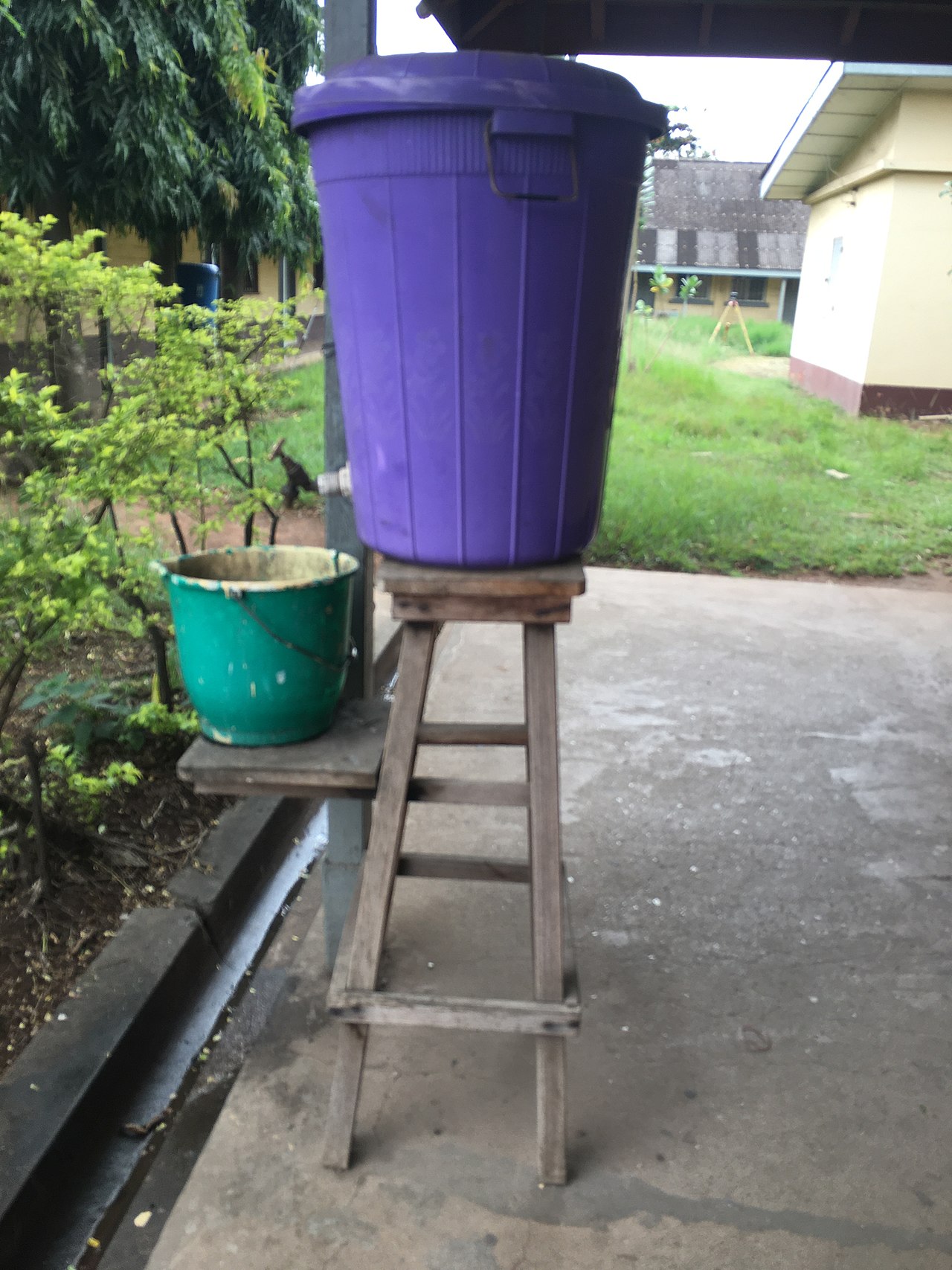
- Hand hygiene: washing hands with soap and water or using disinfectants to prevent transmission of germs after using the toilet, handling food, or contact with contaminated surfaces; resources on removing dirt and microbial contamination are widely available.
- Oral hygiene: brushing and flossing teeth, and routine dental care to prevent decay and gum disease; practical guidance appears under brushing teeth.
- Sanitation and menstrual hygiene: safe disposal or treatment of human waste, clean facilities for urination and defecation, and hygienic management of menstrual products.
- Food and water hygiene: proper cooking, storage, and handling of food, and ensuring potable water to avoid foodborne and waterborne illness.
History and terminology
The English word "hygiene" entered use in the late 17th century and derives from the French hygiène, itself from the Greek ὑγιεινή (τέχνη) meaning the "art of health." This Greek term is related to ὑγιής (healthy) and to the figure Hygeia, associated with health and hygiene in ancient tradition. For etymological background see shaving and grooming references and historical notes on hygiene in classical sources, and cultural links such as Hygeia and Asclepius.
Role in public health and development
Hygiene is a cornerstone of disease prevention. Improvements in sanitation, water supply, and personal hygiene have been central to reducing infectious disease burdens worldwide. The adoption of germ theory in the 19th century led to practical changes—handwashing, antisepsis in healthcare and food safety—that transformed outcomes in hospitals and communities. Influential historical shifts include the promotion of handwashing in clinical settings and the introduction of antiseptic techniques in surgery; these measures are part of the broader public health response that links individual behaviors with population-level benefits.
Uses, importance and examples
Maintaining hygiene reduces the spread of respiratory, gastrointestinal, and skin infections; prevents dental decay; and improves social comfort by reducing body odor. Examples of hygiene in daily life range from handwashing before meals and after toilet use, to routine laundering of bedding and cleaning of kitchens to prevent cross-contamination. Educational programs often target children to form durable habits, and workplaces and schools set hygiene standards to protect groups.
Social context, access and misconceptions
Practices labeled as "hygiene" vary by culture, climate, available technology and socioeconomic conditions. Access to clean water, sanitation infrastructure and affordable hygiene products is uneven; lack of access, not lack of knowledge, is a primary barrier in many settings. Misconceptions sometimes arise—for example, overuse of antiseptics can be unnecessary, and moderate exposure to ordinary environmental microbes is part of normal immune development. Public health guidance aims to balance effective preventive steps with realistic access and cultural respect. For practical tips on toilet use and sanitation, consult proper toilet practices and clothing hygiene advice at dress and hygiene.
Notable facts: Hygiene combines personal habits and collective systems; both are needed to prevent disease. Interventions range from simple handwashing campaigns to investments in water and sanitation infrastructure. Reliable information and context-specific solutions help translate hygiene knowledge into lasting health benefits.
Questions and answers
Q: What is hygiene?
A: Hygiene is the act of being clean and involves activities such as washing the body, brushing the teeth, shaving, using the toilet properly, and dressing correctly.
Q: Why is proper hygiene important?
A: Proper hygiene is important because it can prevent illness, bad smells, and tooth loss.
Q: When was the word hygiene first used in English?
A: The word hygiene was first used in English in 1677.
Q: Where does the word hygiene come from?
A: The word hygiene comes from the French word hygiène, which is the western version of the Greek word ὑγιεινή (τέχνη) - hugieinē technē, meaning "(art) of health".
Q: Who was Hygeia?
A: Hygeia was the daughter of Asclepius in ancient Greek religion and represented health.
Q: What does the Greek word ὑγιεινός mean?
A: The Greek word ὑγιεινός means "good for the health, healthy".
Q: What is usually the age when proper hygiene is taught to children?
A: Proper hygiene is often taught to children at a young age and becomes a habit.
Related articles
Author
AlegsaOnline.com Hygiene: personal and public practices for maintaining health Leandro Alegsa
URL: https://en.alegsaonline.com/art/46130
Sources
- ole.pl : ole.pl
- perseus.tufts.edu : "Henry George Liddell, Robert Scott, A Greek-English Lexicon, ὑγι-εινός"