
Ski suit: design, types, uses and care
Comprehensive overview of ski suits: one‑piece and two‑piece designs, materials, intended uses (racing, resort, backcountry), fit, safety features, selection advice and maintenance tips.
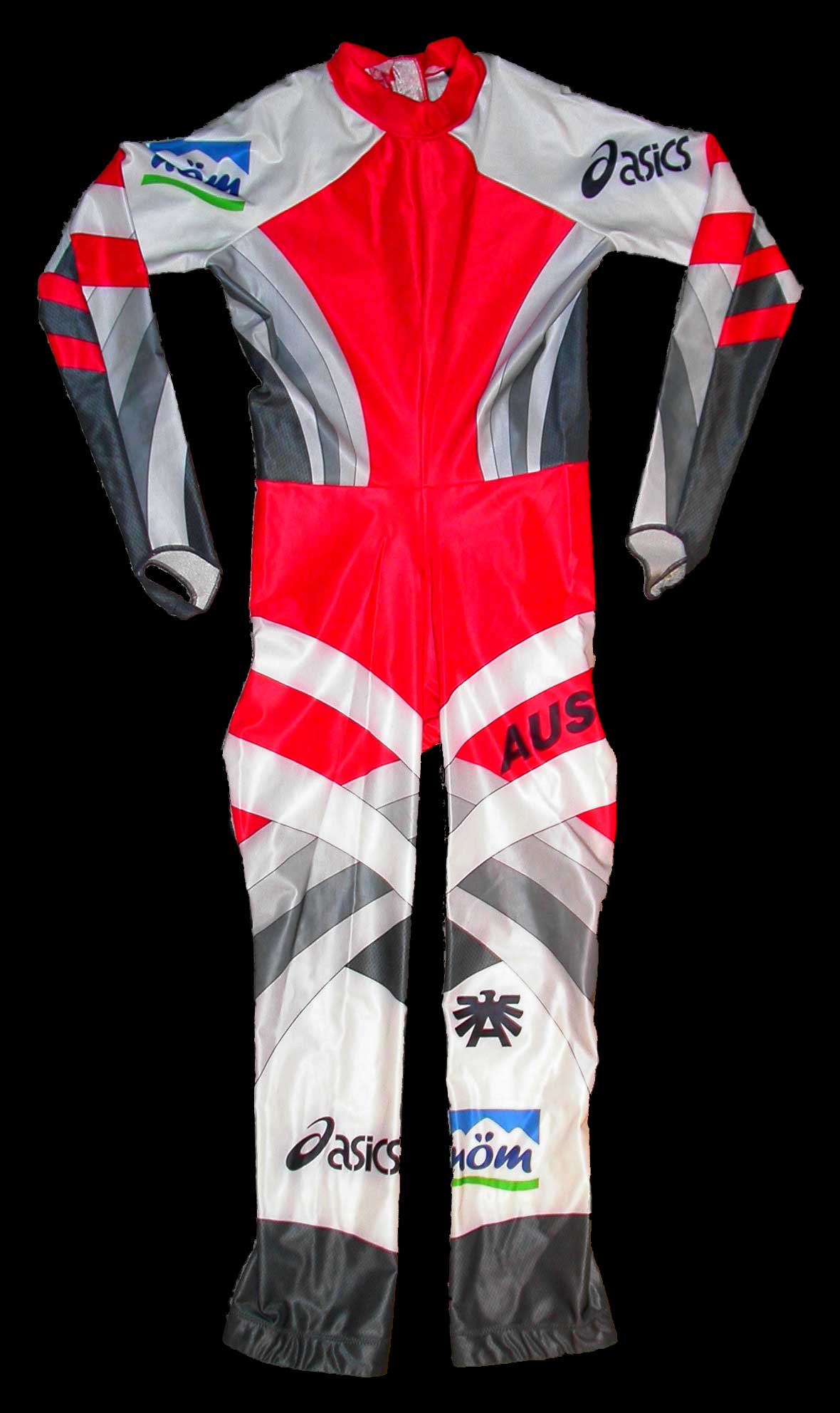
A ski suit is outerwear designed to protect a skier from cold, wind, snow and moisture while allowing freedom of movement. Ski suits appear in two main configurations: one‑piece garments that join jacket and trousers into a single shell, and two‑piece systems combining a jacket and pants. Modern suits balance weather resistance, breathability and insulation to match the needs of different disciplines, from aerodynamic race suits to lightweight touring shells.
Image gallery
6 Images




Design and materials
Key elements include an outer shell that sheds wind and water, insulation or a lining to trap warmth, and ventilation to release excess heat during exertion. Shells use synthetic woven fabrics and often incorporate waterproof‑breathable membranes, taped seams and durable water‑repellent (DWR) finishes. Insulation may be synthetic or minimal to allow layering; some shells are intentionally uninsulated for active use.
Types and intended uses
- Racing suits: Typically one‑piece, skin‑tight and focused on reducing aerodynamic drag; insulation is minimal.
- Resort and recreational suits: Available as one‑ or two‑piece; emphasize warmth, pockets and weatherproofing for lift‑served skiing.
- Freeride and big‑mountain suits: More robust construction, reinforced panels and room for protective layering.
- Backcountry/touring suits: Lightweight, highly breathable and compatible with uphill movement and layered systems.
- Cross‑country suits: Form‑fitting, very breathable garments designed for aerobic movement rather than insulation.
Fit, features and safety
Fit depends on activity: race suits are very tight, recreational suits fit over base and mid layers. Common features include helmet‑compatible hoods, powder skirts, gaiters, ventilation zippers, reinforced cuffs, articulated knees and sealed seams. Safety considerations may include high‑visibility colors, reinforced impact zones and pockets that integrate with avalanche‑safety systems or flotation devices where applicable.
Choosing and caring for a ski suit
Select a suit based on expected weather, activity level and layering strategy. Inspect materials for waterproofing and breathability and try for adequate mobility. Care extends the life of a suit: follow manufacturer washing instructions, use appropriate detergents, restore DWR when water absorption increases, repair rips and reseal seams as needed, and store the suit dry in a cool place. Thoughtful maintenance maintains protective performance and comfort season after season.
Environmental and historical notes
Ski apparel evolved from heavy natural fibers to advanced synthetics and membranes. Recent trends emphasize recycled fabrics, lower‑impact water repellents and designs that improve repairability to reduce waste.
Related articles
Author
AlegsaOnline.com Ski suit: design, types, uses and care Leandro Alegsa
URL: https://en.alegsaonline.com/art/90916
Sources
- books.google.com : The Visual Dictionary of Sports & Games - Sports & Games