
Boot (footwear)
A boot is a sturdy form of footwear that covers the foot and at least the ankle. This article explains parts, history, common types, uses, materials, and basic care.
A boot is a type of footwear designed to protect the foot and typically extend above the ankle. Compared with shoes and sandals, boots usually have taller shafts and stronger construction, including more robust soles and reinforced uppers. Some styles reach high enough to cover the calves or even the knee, and many include features such as laces, straps, zippers, pull tabs and external fastenings to keep them secure.
Image gallery
10 Images


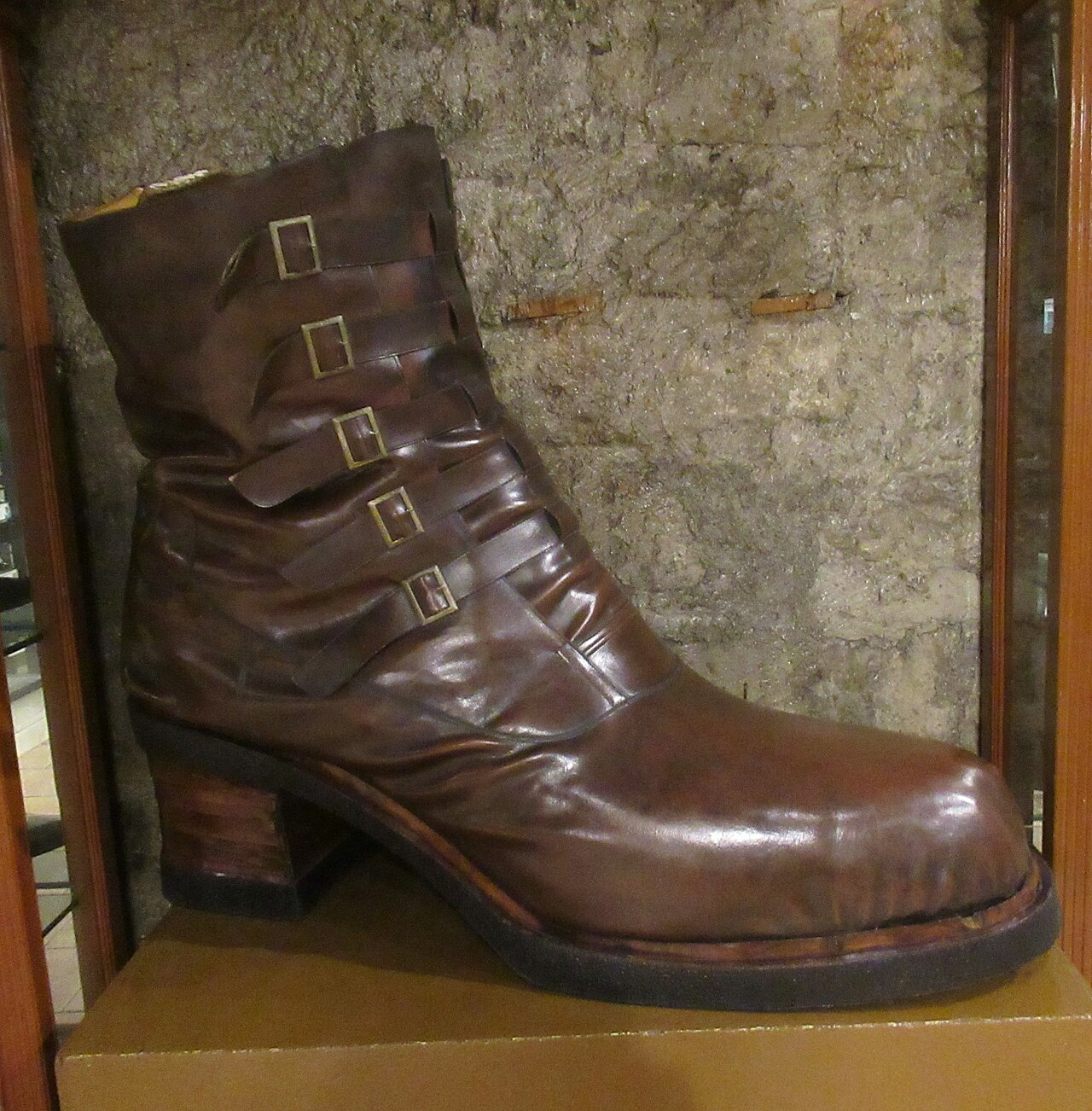
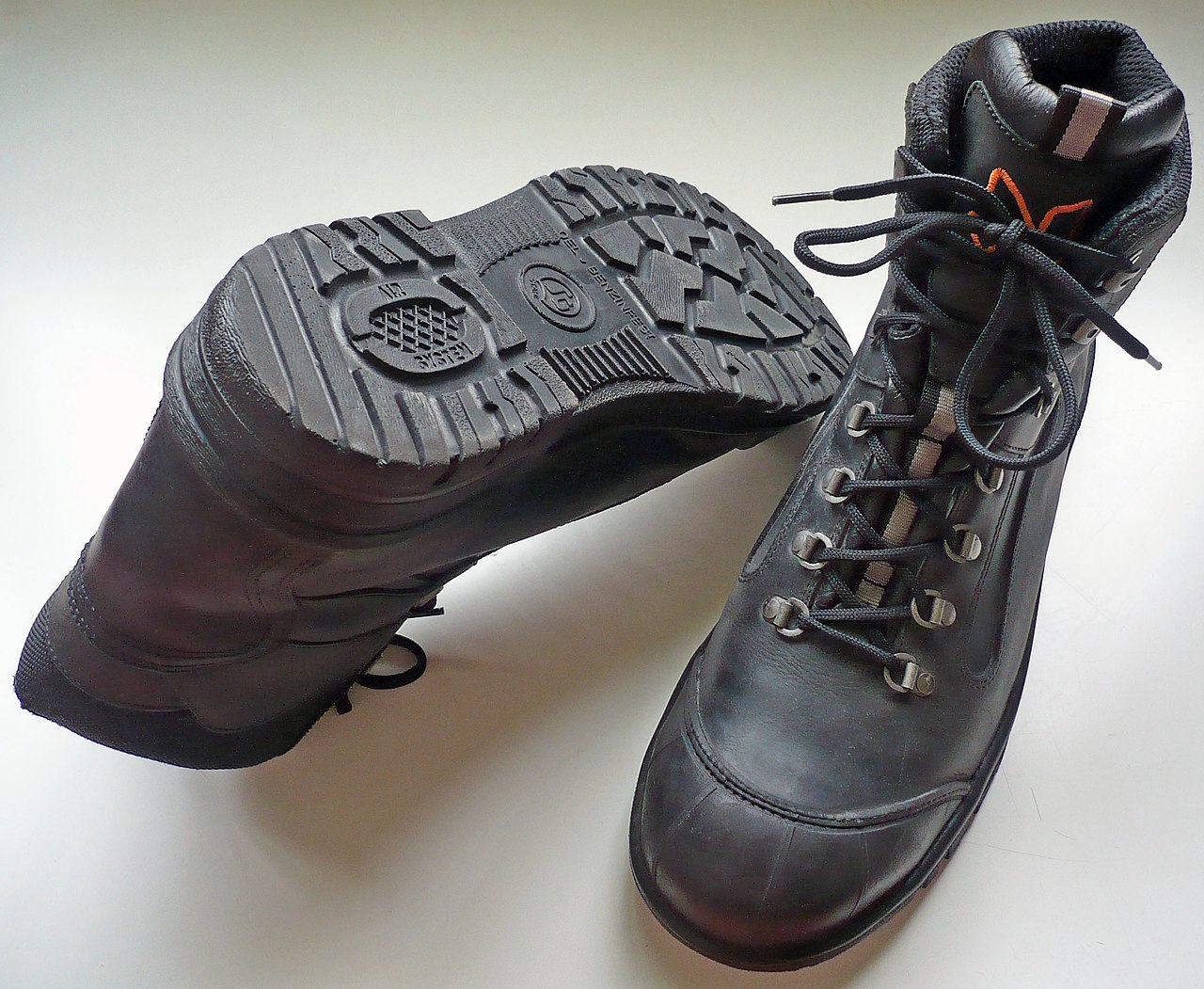


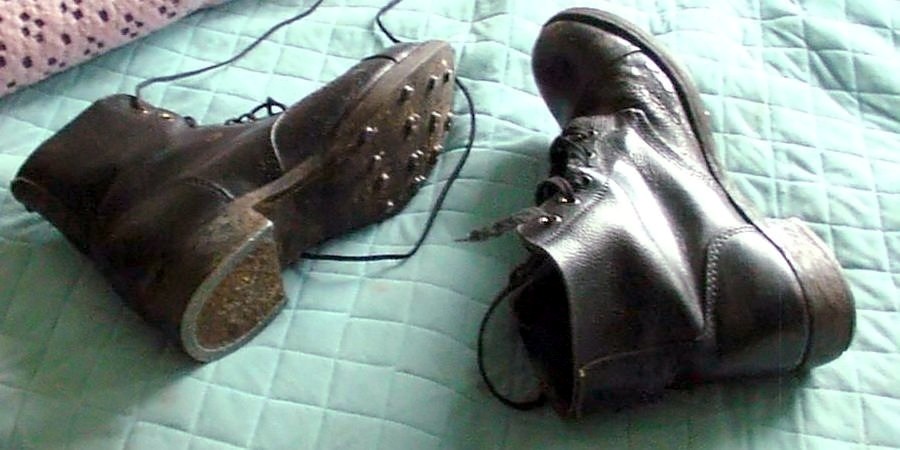
Characteristics and main parts
Most boots share a set of recognizable components: an upper (the material enclosing the foot), a shaft (the vertical portion above the ankle), an insole, an outsole or sole (the durable bottom), a heel, and fastening elements (laces, buckles or zippers). Other common features are toe reinforcement, a welt or cemented join between upper and sole, and materials or linings for insulation, waterproofing or breathability.
Types and typical uses
- Work boots: built for protection and support, often with steel or composite toes and slip-resistant soles.
- Hiking and mountaineering boots: designed for uneven terrain, with ankle support and aggressive treads.
- Military and tactical boots: emphasize durability, traction and uniform requirements.
- Riding and cowboy boots: shaped for stirrup use and leg protection while mounted.
- Rain and winter boots: made from rubber or insulated materials to keep feet dry and warm.
- Fashion boots: designed primarily for style, ranging from ankle boots to thigh-highs.
History and development
Boots have a long practical history: early humans made protective foot coverings from leather, hide and woven materials to shield feet from rough ground and weather. Over centuries the basic concept evolved into specialized forms for soldiers, laborers, riders and sailors. Industrialization and advances in materials—rubber, vulcanized soles, metal fastenings and synthetic textiles—expanded what boots could do, while 20th- and 21st-century fashion introduced numerous stylistic variations.
Materials, maintenance and notable distinctions
Boots are manufactured from natural leather, rubber, treated canvas or synthetic fabrics. Leather is prized for durability and repairability; rubber excels at waterproofing; modern synthetics offer lightweight, breathable alternatives. Proper care extends service life: cleaning, conditioning leather, drying thoroughly after wet use, resoling worn bottoms, and applying waterproofing treatments when needed. Distinctive design choices—height of the shaft, sole stiffness, toe shape and presence of insulation—determine a boot's suitability for a particular task.
Whether used for protection, work, sport or fashion, boots remain a versatile and widespread category of footwear with forms adapted to countless environments and cultural practices.
Questions and answers
Q: What is a boot?
A: A boot is a type of footwear that protects the foot and ankle.
Q: How are boots different from shoes and sandals?
A: Boots are higher and larger than shoes and sandals.
Q: Are some boots high enough to protect the calves?
A: Yes, some boots are high enough to protect the calves.
Q: How are some boots held on?
A: Some boots are held on with bootstraps or bootlaces.
Q: Do some boots have spats or gaiters?
A: Yes, some boots have spats or gaiters to keep water out.
Q: What is the bottom part of a boot called?
A: The bottom part of a boot is called the boot sole.
Q: Is the boot sole usually strong?
A: Yes, the boot sole is usually very strong.
Related articles
Author
AlegsaOnline.com Boot (footwear) Leandro Alegsa
URL: https://en.alegsaonline.com/art/13050