
Jogging: recreational running for fitness, health, and well‑being
Jogging is a sustained, moderate‑pace form of running used worldwide for fitness, weight control and mental well‑being. This article describes its benefits, technique, equipment, safety and history.
Overview
Jogging is a form of running performed at a gentle to moderate pace for exercise, recreation or general health rather than for speed or competition. It occupies a middle ground between walking and faster running: the emphasis is on sustained movement that elevates breathing and heart rate without maximal effort. Many people adopt jogging as part of a regular routine because it is adaptable to different ages, fitness levels and environments.
Image gallery
7 Images




Characteristics and common practice
Typical features of jogging include a steady rhythm, relaxed stride and an effort level that allows brief conversation—the so‑called "talk test." Practitioners vary pace, duration and frequency to suit goals such as maintaining cardiovascular fitness, managing weight, or improving stamina. Some joggers follow simple schedules of repeated sessions per week; others mix in structured workouts like intervals or tempo runs to build speed and efficiency while keeping most training at an easy intensity.
Health benefits
As an accessible aerobic activity, jogging supports multiple aspects of physical and mental health. Regular jogging improves cardiovascular endurance, can help reduce body fat and contributes to stronger muscles and bones through weight‑bearing activity. It also commonly produces mood benefits, such as reduced stress and the release of natural mood‑elevating chemicals. Because it can be performed without a gym and with minimal equipment, jogging is a widely recommended option for public health and personal fitness.
Technique, training and examples
Good jogging technique emphasizes an upright posture, relaxed shoulders, and a mid‑foot to forefoot landing for many runners, though individual biomechanics vary. Beginners benefit from gradual progression in time and distance, including warm‑ups and cool‑downs, and attention to cadence and stride length. Common training approaches include easy continuous runs, short interval sessions to improve efficiency, and cross‑training to reduce overuse. Recreational events and timed community runs provide social motivation without requiring competitive intensity.
Equipment, surfaces and environment
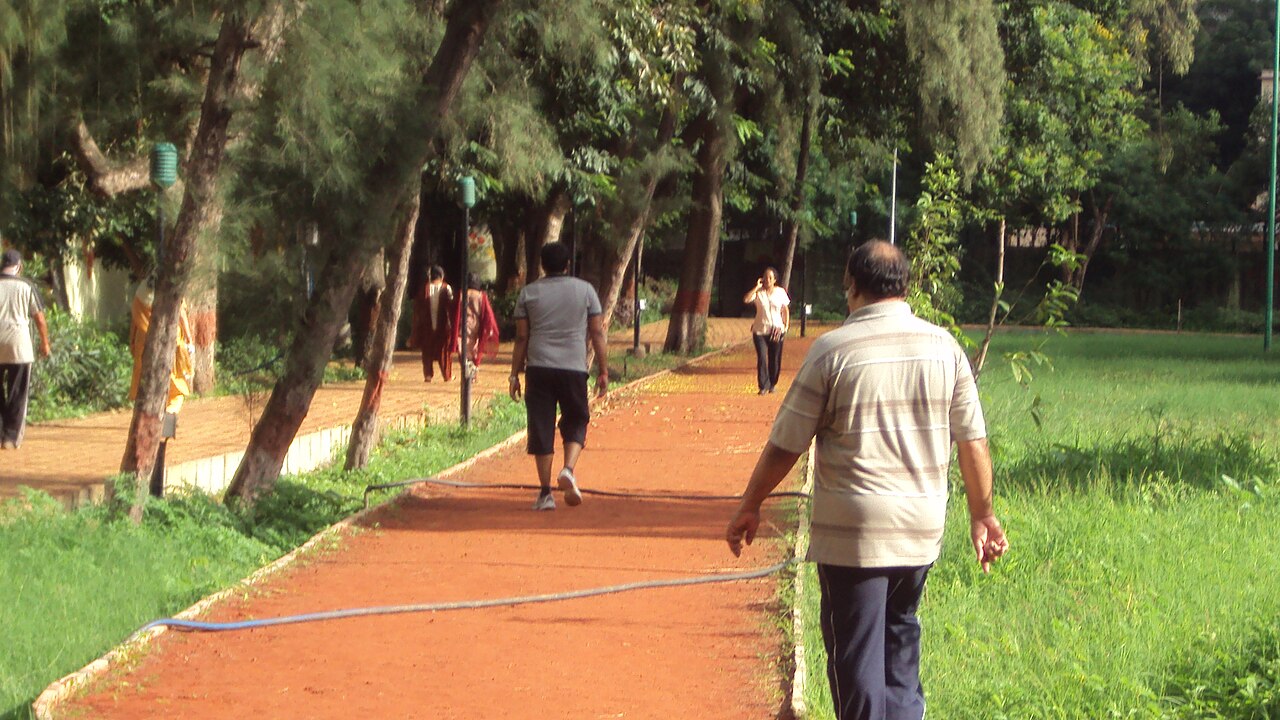
Minimal equipment is needed: comfortable clothing and a properly fitted pair of running shoes chosen for support, fit and cushioning. Surface choice affects impact on the body—softer ground such as grass or compact dirt trails tends to reduce repetitive jolting on joints compared with hard pavements. When jogging near roads, it is advisable to avoid heavy traffic and poor air quality, choose quieter routes or parks, and be visible to others when light is low. For footwear and route planning see running shoe guidance, soft surfaces and air quality considerations.
Safety, common injuries and prevention
Because jogging is repetitive, overuse injuries are the most frequent problems: shin splints, tendinopathies and plantar issues can arise from sudden increases in volume or inadequate recovery. Prevention focuses on gradual training progression, strength and flexibility work, appropriate footwear and attention to technique. Cross‑training and scheduled rest days reduce risk, and runners should modify sessions when experiencing persistent pain. For safety guidelines and local resources consult running resources, sidewalk safety and general aerobic exercise recommendations.
History and cultural significance
Jogging gained popularity as a recreational activity during the 20th century when public health campaigns and running clubs promoted regular endurance exercise. Its growth reflected broader interest in personal fitness and community events. Today jogging appears in many forms—from solitary neighborhood runs to organized, noncompetitive group meets—serving diverse goals such as social connection, stress relief and lifelong physical activity. For more on community programs and event options see noncompetitive running and local initiatives like community timed walks and runs (community programs).
Distinguishing jogging from other activities
Jogging differs from brisk walking primarily by foot flight and a quicker stride, and from running mainly by effort, speed and biomechanical load. While definitions vary, the practical distinction is often effort‑based: jogging is sustainable and comfortable over longer periods, whereas running includes higher‑intensity efforts aimed at speed or competition. Individuals choose the form that best matches their health status, goals and enjoyment.
- See also: community fitness, aerobic conditioning, injury prevention
- Resources: consult trainers, healthcare providers or local running groups before beginning a new program
Questions and answers
Q: What is jogging?
A: Jogging is running at a slow pace.
Q: Why do people go jogging?
A: People go jogging to keep fit and healthy through exercise.
Q: Is jogging an expensive way to keep fit?
A: No, jogging is a very cheap way of keeping fit as all that is needed is a good pair of running shoes.
Q: Where is it recommended to jog?
A: It is recommended to jog away from main roads where the air is full of traffic fumes and to avoid too much jogging on hard pavements.
Q: What are the benefits of jogging?
A: Jogging is a kind of aerobic exercise that helps people breathe better, keeps the heart rate at a high-speed level for a long time, and can increase muscle mass, decrease body fat, promote strength, and control weight.
Q: Who can go jogging?
A: People of all ages can go jogging.
Q: Does jogging release endorphins?
A: Yes, like other aerobic exercise, jogging releases endorphins in many people.
Related articles
Author
AlegsaOnline.com Jogging: recreational running for fitness, health, and well‑being Leandro Alegsa
URL: https://en.alegsaonline.com/art/50494
Sources
- livehealthy.chron.com : "How Jogging Affects Your Body Fat Composition"
- weightlossresources.co.uk : "weight lose resources"
- betterhealth.vic.gov.au : "Running and jogging - health benefits"
- livestrong.com : "What Does Jogging Do for Your Body?"
- slism.com : "Jogging diet"