
Footwear: types, function, history, and practical considerations
Overview of footwear: design elements, common types (shoes, boots, sandals), historical development, practical uses, care, and distinctions between protective, everyday, and specialty footwear.
Footwear is any item of clothing worn on the foot to provide protection, support, and comfort. That basic purpose — covering the foot to guard the sole and upper surfaces — applies whether the piece is a simple sandal or a complex, multi-component boot. For definitions and general background see footwear and how it relates to the foot.
Image gallery
10 Images
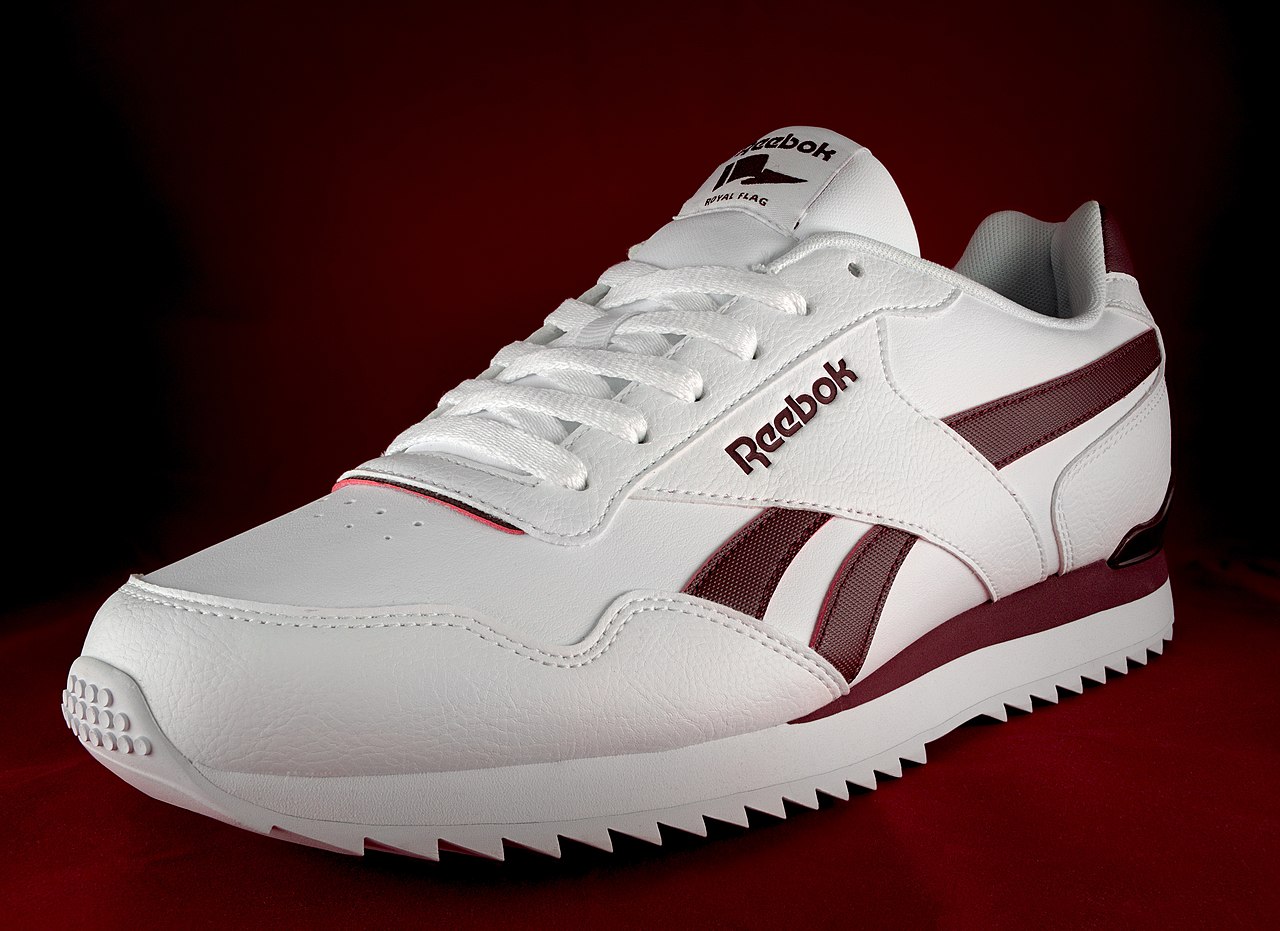


Key components and characteristics
Most modern footwear has several standard parts: the sole (sometimes divided into outsole, midsole, insole), an upper that covers the top and sides of the foot, and a closure system such as laces, straps, or elastic. Materials range from leather and woven textiles to synthetic polymers and rubber. Design choices address protection from elements, traction on different surfaces, foot support, insulation, and breathability. Shoes built for rough ground are engineered for grip on surfaces such as gravel or uneven roads.
Types and common uses
- Shoes: general category for varied styles used daily—dress, casual, and athletic.
- Boots: taller footwear that can protect and support the ankle and lower leg; often used for work, hiking, and weather protection (boots).
- Sandals and open footwear: allow ventilation in warm climates, reduce weight and drying time.
- Specialty footwear: includes safety shoes, cleats, dance shoes, and insulated options for cold climates (cold weather uses).
History and development
Human footwear evolved from uncomplicated foot coverings to protect against sharp stones and temperature extremes into regionally distinct styles like sandals, moccasins, and wrapped coverings. Industrialization and new materials in the 19th and 20th centuries accelerated mass production and the rise of specialized athletic and occupational footwear. Contemporary advances focus on ergonomics, lightweight materials, and environmental concerns related to manufacturing.
Selection, care, and notable distinctions
Choosing appropriate footwear balances fit, activity, and environment: running shoes prioritize cushioning and motion control, while work boots emphasize puncture resistance and ankle support. Caring for footwear—cleaning, conditioning leather, and rotating pairs to allow drying—extends service life. Distinctions to note include safety footwear rated for electrical or impact hazards, minimalist styles that mimic barefoot mechanics, and fashion versus functional design decisions.
For practical advice and further reading, consult introductory guides and resources on materials, sizing, and maintenance: footwear basics, anatomy of the foot, and outdoor or occupational guidance at relevant specialist sites (trail and terrain tips, road and pavement considerations, boot selection, cold-weather options).
Questions and answers
Q: What is footwear?
A: Footwear is an item of clothing that covers and protects the foot, including the soles of the feet.
Q: Why is footwear important?
A: Footwear allows people to walk on rough surfaces like gravel roads without hurting their feet.
Q: Does footwear have any other advantages?
A: Yes, some types of footwear like boots help to keep people's feet dry and warm in cold weather.
Q: Are there different types of footwear?
A: Yes, there are various types of footwear such as shoes, sandals, boots, and sneakers.
Q: Who makes footwear?
A: Footwear is made by humans.
Q: Does gender influence the type of footwear people wear?
A: Yes, in many societies, gender influences the type of footwear people wear.
Q: Can footwear make a fashion statement?
A: Yes, footwear can make a fashion statement, and some people wear shoes or sneakers as a fashion statement.
Related articles
Author
AlegsaOnline.com Footwear: types, function, history, and practical considerations Leandro Alegsa
URL: https://en.alegsaonline.com/art/35512