
Sock (footwear)
A sock is a close-fitting garment for the foot and lower leg that provides warmth, moisture control, protection and fashion. Varieties range from athletic and dress socks to compression and toe designs.
Overview
A sock is a textile garment worn on a person's feet to cushion, protect and insulate them. Socks help manage moisture by wicking or absorbing sweat, reduce friction inside shoes, and add a layer of comfort. They are a commonplace item in nearly every culture and are produced in many lengths, thicknesses and styles to suit weather, activity and fashion.
Image gallery
10 Images


Materials and common forms
Socks are manufactured from natural and synthetic fibers. Common fibers include cotton and wool, often blended with elastic fibers such as spandex or with synthetic yarns like nylon and polyester to improve fit and durability. Typical lengths are described by how far up the leg a sock reaches: a no-show or low-cut stops at the shoe, an ankle sock covers the ankle, crew socks reach partway up the lower leg, and knee-high socks extend up to the knee.
Types and features
- Dress socks — finer yarn, slimmer profile and solid or patterned colors often chosen to match formal footwear (black, brown, gray or navy blue).
- Athletic socks — designed for sport with padding, moisture-wicking construction and reinforced heels/toes.
- Compression socks — graduated pressure to support circulation for travel, medical or athletic use.
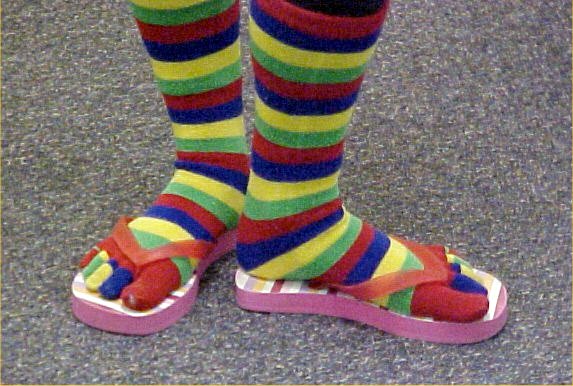
- Specialty forms — toe socks that separate the toes, diabetic socks with non‑binding cuffs, and novelty or fashion socks in many prints.
History and production
Foot coverings date back to antiquity in various forms; over centuries techniques evolved from hand‑sewing and simple weaving to knitting by hand and ultimately to mechanized knitting. Industrial methods allowed mass production and consistent sizing, while contemporary textiles introduced performance blends. Despite technological change, the basic functions—comfort, protection and thermal regulation—remain the same.
Uses, care and social aspects
Socks serve practical roles (blister prevention, warmth and moisture control) and cultural ones (dress codes, fashion statements and uniform elements). Proper fit helps prevent foot problems; many socks are labeled by shoe size or general fit. Care instructions vary by fiber — delicate or natural fibers often require gentler washing and lower drying heat to preserve elasticity and shape.
Notable distinctions
Socks differ from stockings and tights primarily in coverage: stockings and tights extend higher up the leg and often cover the hips. Design details such as cushioning, seam placement and compression levels create specialized categories for athletes, medical patients and everyday wear. Although a simple garment, socks combine functional engineering with style choices that reflect personal preference and social conventions.
Further reading: For general product guides and care tips see resources indicated by manufacturers and health providers (feet, cotton).
Related articles
Author
AlegsaOnline.com Sock (footwear) Leandro Alegsa
URL: https://en.alegsaonline.com/art/91482