
Silt: fine sediment and soil particle type
Silt is a fine-grained soil or sediment between clay and sand in size. This article explains its properties, formation, agricultural impacts, and practical management.
Silt is a class of granular material that lies between sand and clay in particle size. It appears in both soils and sediments and originates from the mechanical breakdown of rocks and minerals. Unlike coarse sand, silt particles are small enough to feel smooth or floury when dry and soapy or slick when wet. Silt plays an important role in landscape processes and soil behavior because of its intermediate texture and water-retaining characteristics.
Image gallery
4 Images

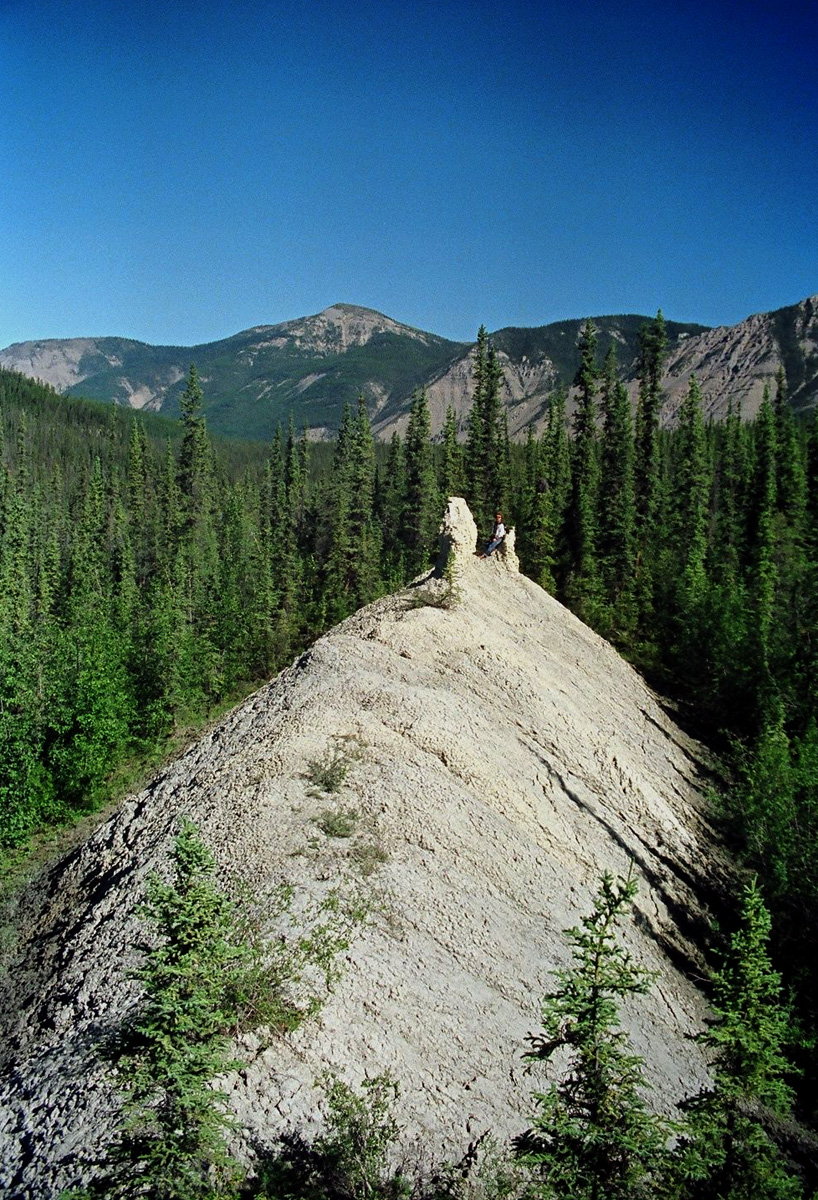

Characteristics
Silt is defined by particle diameter rather than composition; typical ranges place silt between about 0.002 and 0.05 millimeters, though exact limits vary by system. Key properties include:
- Texture: Smooth, floury when dry; slippery and soapy when wet.
- Water retention: Holds more water than sand but drains more slowly, which can lead to damp, cool soils.
- Nutrient behavior: Often fairly fertile but may not bind nutrients as strongly as clay, requiring management to retain fertility.
- Erodibility: Easily transported by water and wind when exposed, making silt prone to deposition in floodplains and deltas.
Formation and distribution
Silt forms by physical weathering and grinding of rocks by glaciers, streams, wind, and other processes. River systems commonly carry fine silt downstream and deposit it on floodplains and in deltas, creating extensive silty layers. Glacial milling produces a similar fine material called rock flour. Silt present in soils may be mixed with larger sand grains or smaller clay particles, producing a range of textures from silty loam to clayey silt.
Uses, management and importance
Silt-rich soils can be productive for agriculture if managed to prevent compaction and nutrient loss. Practical management techniques include improving drainage, adding organic matter to increase structure and nutrient-holding capacity, and minimizing surface exposure to reduce erosion. In engineering and construction, silt can present challenges because of its tendency to compact and retain water, affecting foundation stability and drainage.
Distinctions and notable facts
Silt differs from clay primarily in particle size and from sand by its much finer grains and greater cohesion when wet. Because of its mobility, silt is a major agent in landscape change: it builds fertile floodplains but also contributes to sedimentation in reservoirs and waterways. For further technical definitions and standards, see resources on soil classification, rock and sediment terminology, or particle-size methods described at grain-size analysis.
Questions and answers
Q: What is silt?
A: Silt is a type of soil or rock that is made up of granular materials of a specific grain size.
Q: How does silty soil differ from sandy soil?
A: Silty soil has much smaller particles than sandy soil, making it smooth to the touch.
Q: What is the texture of moistened silty soil?
A: Silty soil becomes soapy slick when moistened.
Q: What happens when rolled between the fingers, with silty soil?
A: Dirt is left on the skin when silty soil is rolled between the fingers.
Q: Is silty soil a good retainer of water and nutrients?
A: While silty soil retains water longer, it cannot hold on to as many nutrients as a person may want it to.
Q: What is the fertility of silty soil?
A: Despite not holding onto as many nutrients as sandy soil, silty soil is fairly fertile.
Q: What are some characteristics of silty soil?
A: Silty soil is cold, retains moisture well, and drains poorly.
Related articles
Author
AlegsaOnline.com Silt: fine sediment and soil particle type Leandro Alegsa
URL: https://en.alegsaonline.com/art/90439