
Erosion: Causes, Processes, Effects and Control
Erosion is the natural removal and transport of soil and rock by agents such as water, wind, ice and gravity. This article explains mechanisms, impacts, geological role and mitigation approaches.
Overview
Erosion is the set of natural processes that wear away and carry off fragments of rock, soil and sediment from the Earth's surface. Unlike internal geologic processes that alter the planet's interior, erosion acts at the surface and is closely tied to the rock cycle. Large-scale erosion does not directly affect the Earth's mantle or core, but it reshapes landscapes, redistributes material and influences surface ecosystems and human land use.
Image gallery
10 Images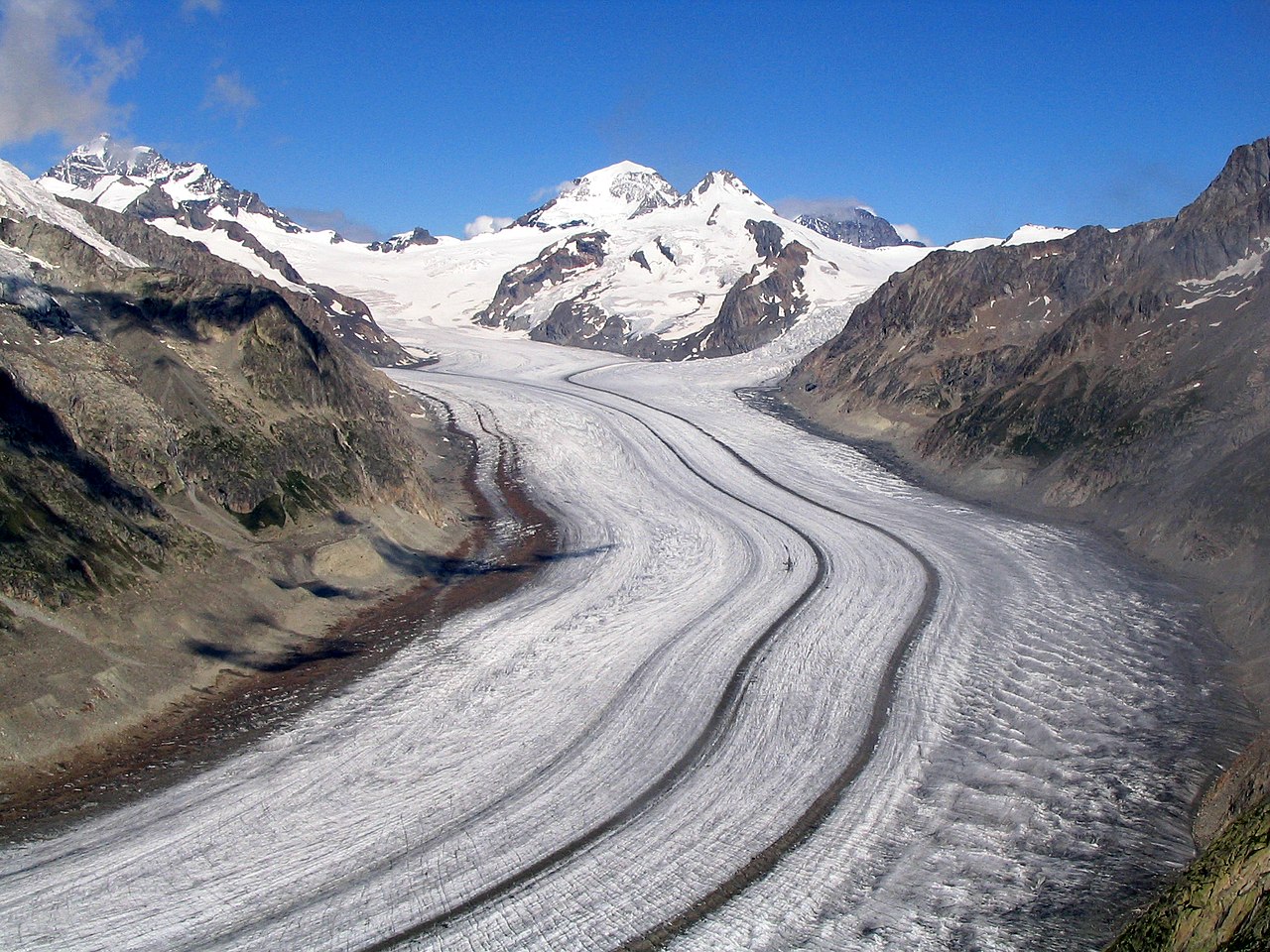



Primary agents and how they act
Erosion is driven by several agents that mobilize and transport material. The most important are:
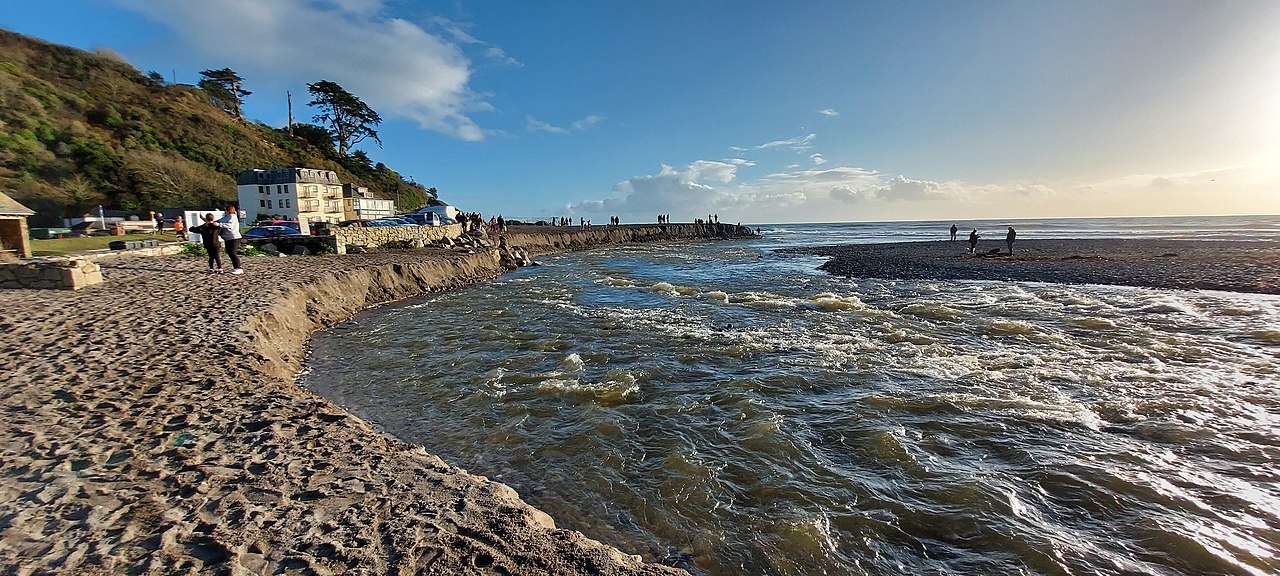
- Water — running water in rivers and streams, rainfall and waves are the dominant transporters of sediment in many environments.
- Wind — effective where vegetation is sparse, wind lifts and moves fine particles and shapes dunes and loess deposits.
- Ice — glaciers and ice sheets erode by plucking and abrasion as they flow downhill.
- Gravity — mass wasting, landslides and creep move material downslope without the need for a transporting fluid.
The work these agents do is ultimately powered by environmental energy, much of which comes from the Sun. Solar heating drives atmospheric circulation and the water cycle, creating winds, precipitation and temperature changes that enable erosion.
Processes and landscape results
Erosion follows a sequence of stages: detachment (weathering weakens and loosens material), transport (agents carry particles), and deposition (material settles when energy falls). These processes produce recognizable landforms — river valleys, deltas, coastal cliffs, sand dunes and glacial troughs. Fine-scale soil loss is known as soil erosion, which reduces the depth and fertility of topsoil. The material moved by erosion is simply rocks and soil in transit until it is buried or consolidated elsewhere.
Human implications and importance
Erosion has both beneficial and adverse effects. Over geological time it builds sedimentary basins and forms fertile floodplains; in the short term it can damage farmland, reduce reservoir capacity, undermine structures and increase flood risk. Agricultural practices, deforestation and urban development can accelerate natural erosion rates, making management a recurring concern for food security, infrastructure and environmental health.
Management and notable distinctions
Controls range from land management (cover crops, terracing, reforestation) to engineering solutions (retaining walls, riprap, sediment traps). Distinct but related processes include weathering, which breaks rock in place, and erosion, which transports the broken material. Understanding the balance between erosion and deposition helps planners and scientists predict landscape change and design mitigation that reduces loss of productive soil while preserving ecosystem functions.
Further context
As a surface phenomenon, erosion links climate, biology and geology. It responds to short-term events like storms and long-term trends such as climate shifts and land-use change. For additional technical descriptions and practical guidance, see introductory resources and field guides often cited in environmental sciences and earth science education (water), (wind), (ice), (gravity), or consult specialized literature on the rock cycle and hydrologic processes.
Questions and answers
Q: What is erosion?
A: Erosion is a process where natural forces like water, wind, ice, and gravity transport rocks and soil. It is a geological process, and part of the rock cycle.
Q: Does erosion affect the Earth's mantle or core?
A: No, erosion only occurs at the Earth's surface and has no effect on the Earth's mantle or core.
Q: What provides most of the energy for erosion?
A: The Sun provides most of the energy that makes erosion happen. The Sun's energy causes the movement of water and ice in the water cycle and the movement of air to create wind.
Q: How can erosion cause problems for humans?
A: Erosion can cause problems for humans by removing soil which can create problems for farmers, or by removing rocks or soil that support buildings.
Q: What are some natural elements that can cause erosion?
A: Natural elements such as wind and ice can cause erosion.
Q: Is erosion part of any other process?
A: Yes, erosion is part of the rock cycle.
Related articles
Author
AlegsaOnline.com Erosion: Causes, Processes, Effects and Control Leandro Alegsa
URL: https://en.alegsaonline.com/art/32042
Sources
- books.google.com : Amazon sweet sea: land, life, and water at the river's mouth
- specialpapers.gsapubs.org : "Tectonics, climate and landscape evolution"
- doi.org : 10.1130/RF.L003.1