
Sea ice: formation, structure, and importance
Sea ice is frozen ocean water that grows and melts in place. This article explains how it forms, its types and roles in climate and ecosystems, and how it differs from glaciers, icebergs, and polar land ice.
Overview
Sea ice is ocean water that has frozen in place rather than ice that originates on land. It forms, thickens, moves, and melts within the marine environment and is a distinct material from an iceberg, a glacier or ice sheet, or an ice shelf. Sea ice is present seasonally and year-round at high latitudes in both the Arctic and the Antarctic. A concise definition is simply frozen ocean water, but its behavior and impacts are complex.
Image gallery
10 Images


Formation and key properties
Sea ice begins as tiny platelets or frazil crystals in supercooled water. These crystals consolidate into a continuous layer (nilas or young ice), and with more freezing and snow load they can become thicker, saltier or fresher in discrete bands. Salinity, temperature and embedded brine pockets give sea ice different optical and mechanical properties than freshwater ice. When ice forms it rejects salt into the underlying water (brine rejection), which can influence local density and ocean circulation.
Types and structure
- First-year ice: forms and melts within a single seasonal cycle.
- Multi-year ice: survives one or more summers and tends to be thicker and less saline.
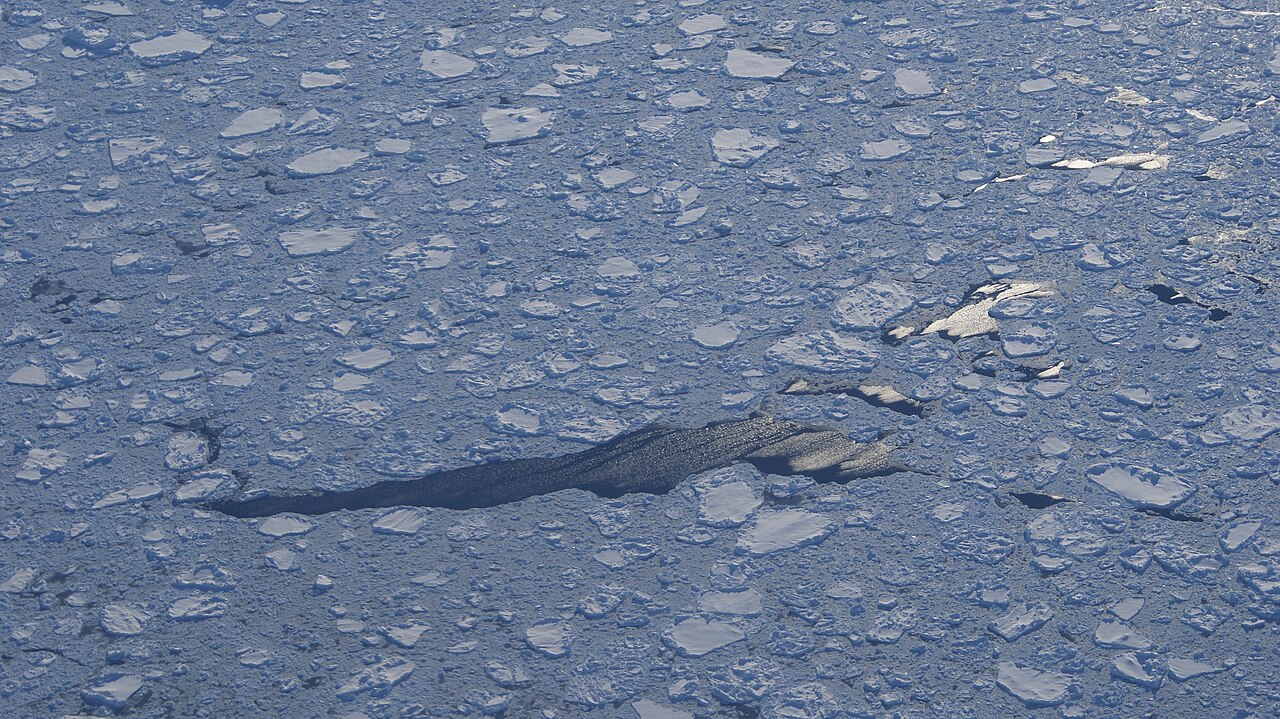
- Floe, lead, ridge: sea ice is broken into floes that drift, with leads (open water) and pressure ridges formed by interaction and wind.
Ecological and climatic importance
Sea ice shapes polar ecosystems by providing habitat for algae, seals, polar bears and other species that depend on its seasonal rhythm. It strongly influences climate through surface reflectivity (albedo): extensive ice reflects more sunlight, while open water absorbs more heat. Changes in sea ice extent and thickness are closely watched because they affect regional weather, ocean circulation, and feedbacks in the Earth system.
Human uses, observation, and trends
People navigate, fish and work in polar waters where sea ice conditions matter for safety and infrastructure. Scientists have monitored sea ice with ships, aircraft and, since the late 20th century, routine satellites and automated buoys; these observations reveal seasonal cycles and longer-term variability. In recent decades the Arctic has shown notable reductions in summer ice cover, while Antarctic trends are more variable and influenced by regional winds and ocean processes.
Distinctions and notable facts
Sea ice differs from land-origin ice both in origin and behavior: an iceberg breaks from a glacier, whereas sea ice grows in the ocean. Its salt content and interaction with waves and currents make it dynamically different from freshwater lake ice. Because it changes rapidly with weather and climate, sea ice is a key indicator and driver of polar change and is of interest to scientists, coastal communities, and industry alike.
Questions and answers
Q: What is sea ice?
A: Sea ice is frozen ocean water.
Q: Where does sea ice form?
A: Sea ice forms, grows, and melts in the ocean.
Q: How is sea ice different from icebergs, glaciers, ice sheets, and ice shelves?
A: Sea ice originates in the ocean while icebergs, glaciers, ice sheets, and ice shelves all originate on land.
Q: In which regions does sea ice occur?
A: Sea ice occurs in both the Arctic and Antarctic.
Q: Is sea ice permanent or does it melt?
A: Sea ice melts in the warmer months and reforms in colder seasons.
Q: How does sea ice affect climate?
A: Sea ice helps to regulate global temperature by reflecting sunlight back into space.
Q: What is the role of sea ice in the ecosystem?
A: Sea ice is important to the ecosystem and affects marine life, from providing habitat and food for species such as polar bears, seals, and whales, to regulating the food web of the ocean.
Related articles
Author
AlegsaOnline.com Sea ice: formation, structure, and importance Leandro Alegsa
URL: https://en.alegsaonline.com/art/88264