
Sea Caves: Formation, Features, and Significance
Sea caves are coastal chambers carved by waves into rock. This article explains how they form, their structure, ecological and human importance, and how they relate to arches, stacks and other shore features.
Sea caves are hollows cut into coastal cliffs by the repeated action of waves. They form where shorelines are composed of rock that contains weaknesses — joints, bedding planes, or softer layers — and where focused wave energy can exploit those weaknesses. Over time, wave impacts, hydraulic pressure and abrasive sediment enlarge openings to create accessible chambers.
Image gallery
6 Images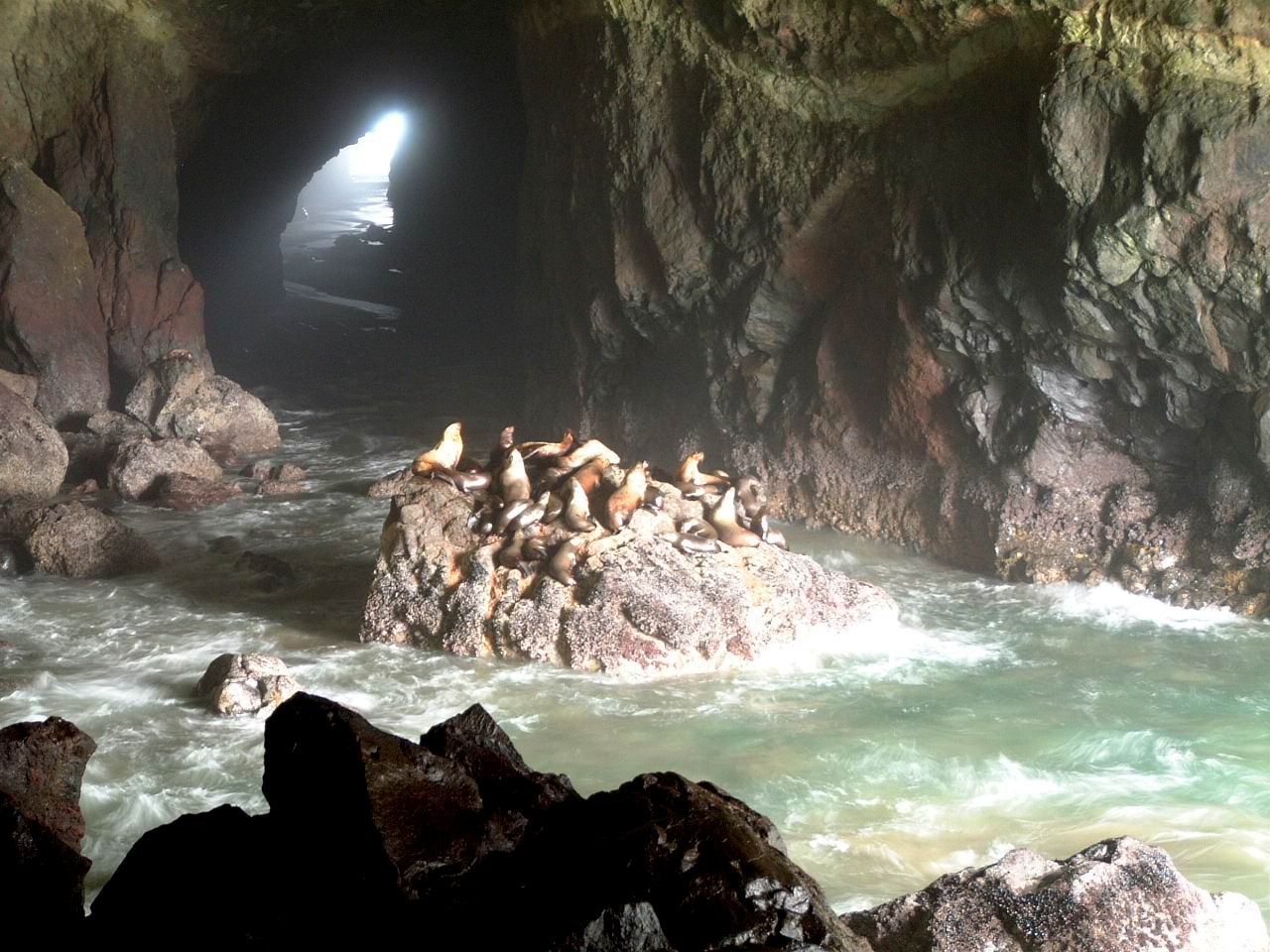




Characteristics and formation processes
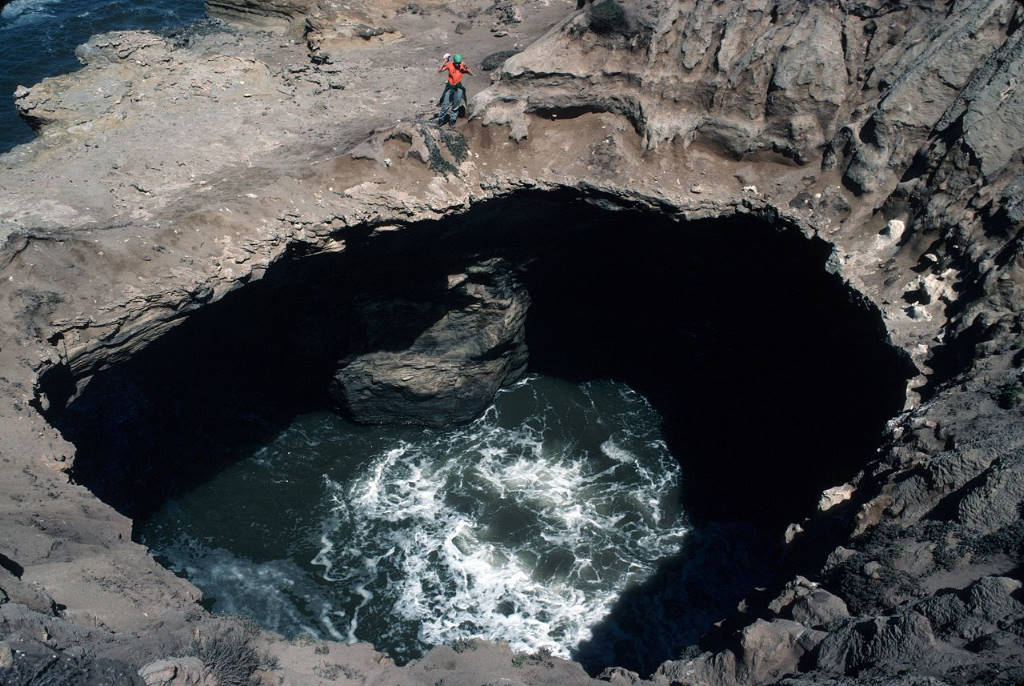
Several physical actions combine to form sea caves. Hydraulic action forces water and air into cracks, producing pressure that can fracture rock. Abrasion grinds rock with sediment and pebbles carried by waves, while chemical solution affects soluble rocks such as limestone. Biological erosion by burrowing organisms can also contribute. These processes are influenced by local factors such as tidal range, wave climate and the orientation of the coastline. For an introduction to the driving forces, see wave action. Rock control is equally important; different rock types respond in different ways to marine erosion.
Development and life cycle
Sea caves often begin as small notches at the base of a cliff and grow into larger chambers as erosion continues. Where caves penetrate headlands, continued erosion can produce sea arches when two caves meet or when a cave breaks through. When an arch collapses, a sea stack may remain. Changes in sea level and tectonic uplift influence cave position relative to the shore and can preserve submerged or raised cave systems.
Ecology, human use, and hazards
Sea caves provide unique ecological niches. Many support marine life such as algae, barnacles, fish and nesting seabirds; some host specialized fauna adapted to low-light conditions. Humans have used sea caves for shelter, fishing, religious sites and occasional archaeological deposits. They are also popular tourist destinations and subjects for scientific study. However, caves can be hazardous due to waves, tides, falling rock and sudden flooding; safe access requires knowledge of local conditions.
Distinctions and notable facts
- Sea cave vs. blowhole: A blowhole connects a cave to the surface, expelling sprays of water and air under certain wave conditions.
- Sea cave vs. sea arch/stack: A cave is an early stage in the evolution that may lead to arches and then stacks as erosion progresses.
- Rock examples: Sea caves occur in many rock types, including basalt (columnar caves) and limestone (solution-enhanced caves).
Because they record interactions between ocean energy and geology, sea caves are valuable field sites for coastal geomorphology, ecology and heritage. Study and management aim to balance public access, scientific research and conservation of these dynamic coastal features.
Related articles
Author
AlegsaOnline.com Sea Caves: Formation, Features, and Significance Leandro Alegsa
URL: https://en.alegsaonline.com/art/88256