
Sand castle
A sand castle is a temporary structure made by shaping wet sand. It ranges from children’s play to detailed sand sculpture, with simple techniques, seasonal events, and an emphasis on impermanence.
Overview
A sand castle is a constructed form made primarily from sand and a binding amount of water. Built by compacting and carving damp sand, sand castles can be small play creations or elaborate works of art. Their defining feature is that they are temporary: exposure to wind, waves, rain or drying makes them fragile and short-lived.
Image gallery
10 Images


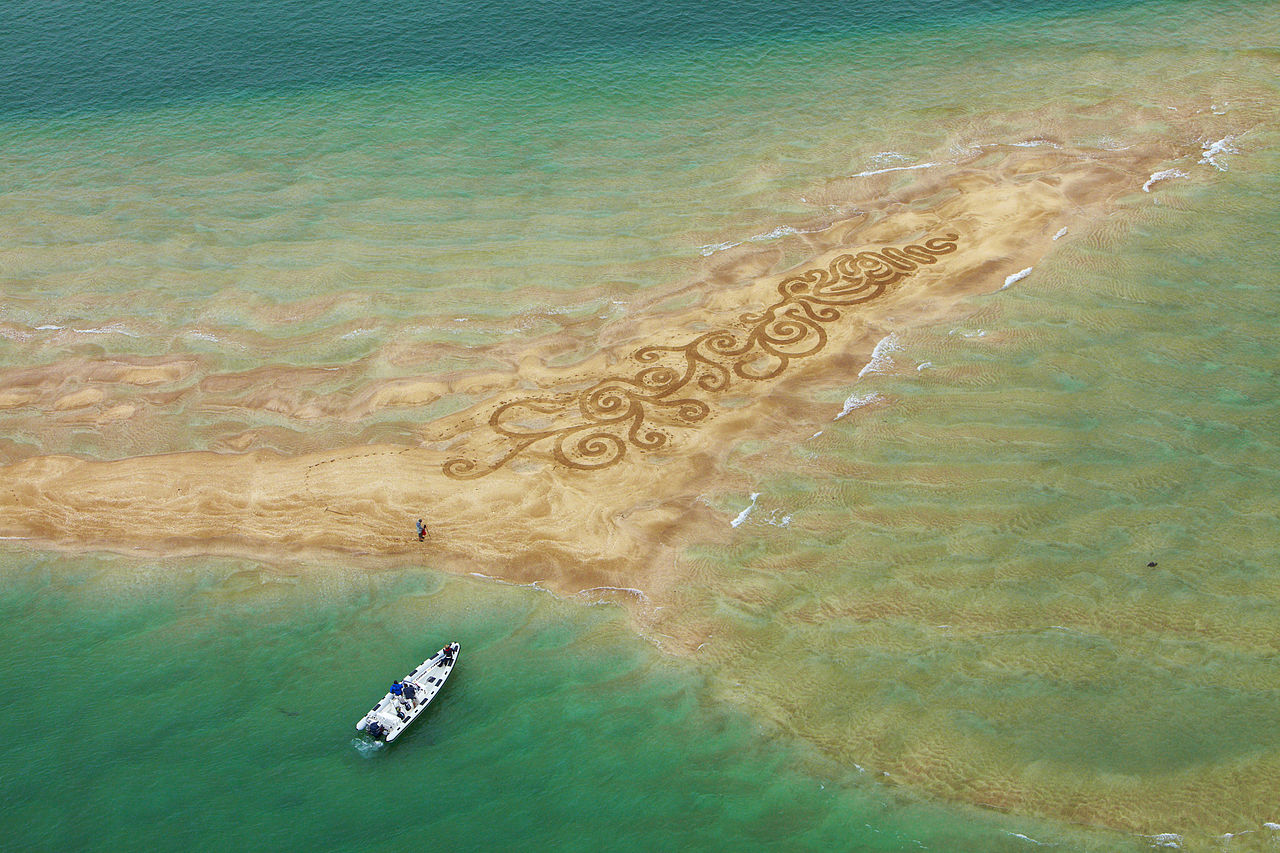


Characteristics and common parts
Typical elements include towers, walls, stairways, battlements and moats, but builders often invent fanciful shapes. The strength of a sand castle depends on the grain size and angularity of the sand, the amount of moisture, and how well the material is compacted. Tools range from simple buckets and spades to specialized carving implements used by professionals.
Origins and development
Making structures from sand began as informal beach play and evolved into a recognized art form called sand sculpture. Over time, artists refined techniques and communities organized events and competitions. While most castles are made on a sandy beach, small versions appear in backyard sandpits and playgrounds.
Uses, examples and cultural role
Sand castles serve several roles: recreational activity for families, educational projects about engineering and erosion, and public art that attracts tourism. Festivals and exhibitions showcase large-scale sculptures and encourage community participation. Their ephemeral nature is often part of the appeal.
Techniques and tips
- Packing: Start with wet sand and compact it in layers or molds to create a stable base.
- Carving: Work from the top down to avoid collapsing lower sections; use fine tools for detail.
- Moisture control: Keep sand evenly damp—too dry and it crumbles, too wet and it slumps.
- Planning: Sketch a simple design and build strong foundations before adding ornamentation.
Notable facts and distinctions
Sand castles differ from permanent architecture and from other earth-based crafts by their transience and reliance on natural conditions. Some builders use temporary sprays or additives to prolong life for exhibitions, but most projects accept impermanence as part of the work’s character. Whether made for play or display, sand castles blend simple materials with creativity and technique.
Related articles
Author
AlegsaOnline.com Sand castle Leandro Alegsa
URL: https://en.alegsaonline.com/art/86948