
Calcium carbonate: occurrence, properties, uses, and testing
Overview of calcium carbonate (CaCO3): its forms, natural occurrence, physical and chemical behavior, common uses in industry and medicine, and simple tests to identify it.
Calcium carbonate is a common inorganic compound with the chemical formula CaCO3. It is composed of the elements calcium, carbon and oxygen, and appears as a white, odorless solid in its pure form. Calcium carbonate occurs widely in nature both as loose sediment and consolidated rock formations, and is the principal constituent of many biological hard parts such as shells of marine organisms and terrestrial eggshells (snail and shell material, eggshell).
Image gallery
10 Images


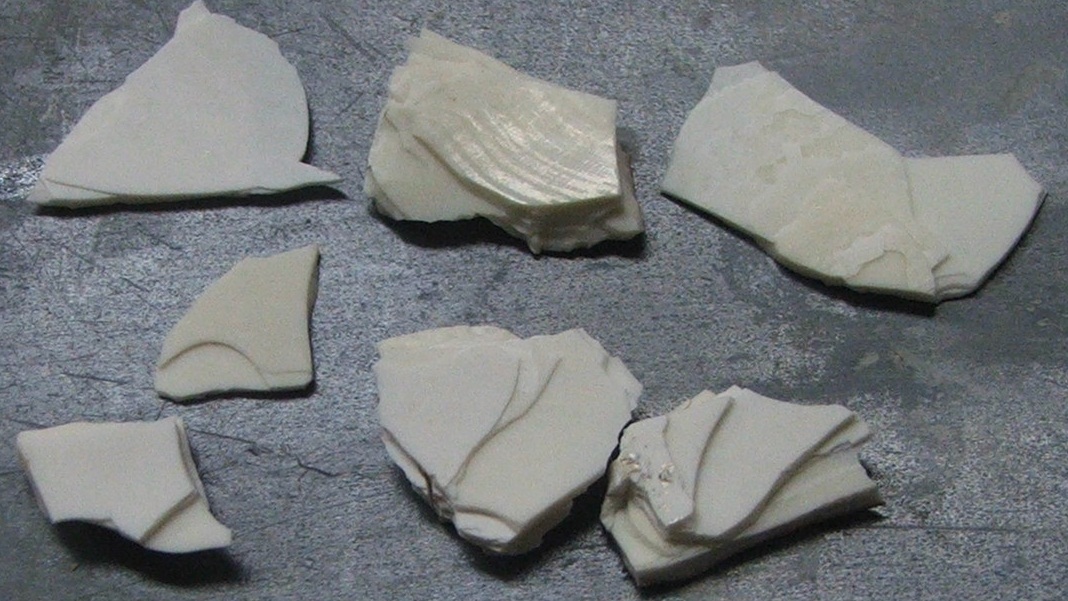


Common mineral forms and rocks
CaCO3 crystallizes in several polymorphs and builds many familiar rocks. The principal mineral varieties are listed below; each name reflects a typical crystal habit or geological occurrence:
- Mineral varieties including calcite, chalk, and the less common vaterite.
- Limestone, a sedimentary rock formed from accumulated carbonate sediments and biological debris.
- Marble, a metamorphosed form of limestone that recrystallizes under heat and pressure.
- Travertine, a banded carbonate deposited from mineral springs and rivers.
- Calcite and aragonite represent two stable crystal systems; aragonite is common in many shells while calcite is widespread in sedimentary deposits.
Chemical behavior and identification
Calcium carbonate is sparingly soluble in pure water but reacts readily with acids. Dropping a strong acid such as hydrochloric acid onto a sample produces effervescence as carbon dioxide gas is given off, a classic field test used by geologists. Weak acids like acetic acid (vinegar) also react, but more slowly. When heated strongly, calcium carbonate decomposes to calcium oxide (quicklime) and carbon dioxide, a reaction used historically to make lime for mortar and modern lime-based products.
Uses and practical importance
Calcium carbonate has a wide range of industrial and everyday applications. It is a primary ingredient in cement and lime production, an inexpensive filler and whitening agent in paper, paint and plastics, and a soil conditioner in agriculture. In water chemistry, dissolved carbonate species are a major reason for hard water, which affects detergency and scaling in pipes. In medicine it is used as an antacid and as a calcium dietary supplement, although excessive intake can be harmful if not managed properly.
Formation, history and notable facts
Large deposits of calcium carbonate form from biological activity and chemical precipitation over geological time. Marine organisms secrete carbonate shells that, after burial, become compacted into sedimentary rocks such as limestone and chalk. Human use of carbonate materials dates back millennia: crushed shells and limestone have been used as building materials and soil amendments, while lime from heated CaCO3 was essential in ancient mortars. Today, CaCO3 remains vital to construction, manufacturing and environmental applications.
For practical identification and reference, readers can consult technical resources and databases (general chemical references) for safety, handling and detailed physical data. Laboratory-grade and commercial carbonate products differ in purity and particle size; selecting the right form depends on the intended use.
Simple experiments — for example, applying a drop of acid to observe fizzing — provide an accessible way to confirm the presence of carbonate minerals. If you need more detailed mineralogical or industrial information, professional sources and material safety data sheets are recommended (elemental background, oxygen chemistry, rock classifications, biogenic carbonates, agricultural uses, mineral lists, calcite details, chalk formation, limestone types, marble notes, travertine examples, acid testing).
Related articles
Author
AlegsaOnline.com Calcium carbonate: occurrence, properties, uses, and testing Leandro Alegsa
URL: https://en.alegsaonline.com/art/16038