
Sacred: meaning, characteristics, history and examples
An accessible overview of what 'sacred' means across religions and cultures: definitions, features, historical development, common sacred texts and places, and how societies treat the sacred.
The term sacred describes people, objects, spaces or texts regarded as set apart from ordinary life and invested with special moral, spiritual or cultural value. In many traditions the sacred implies separation from the profane, an expectation of purity, and rules for interaction and protection. Although often translated as "holy," the word can emphasize being "set apart" rather than merely "important."
Image gallery
3 Images

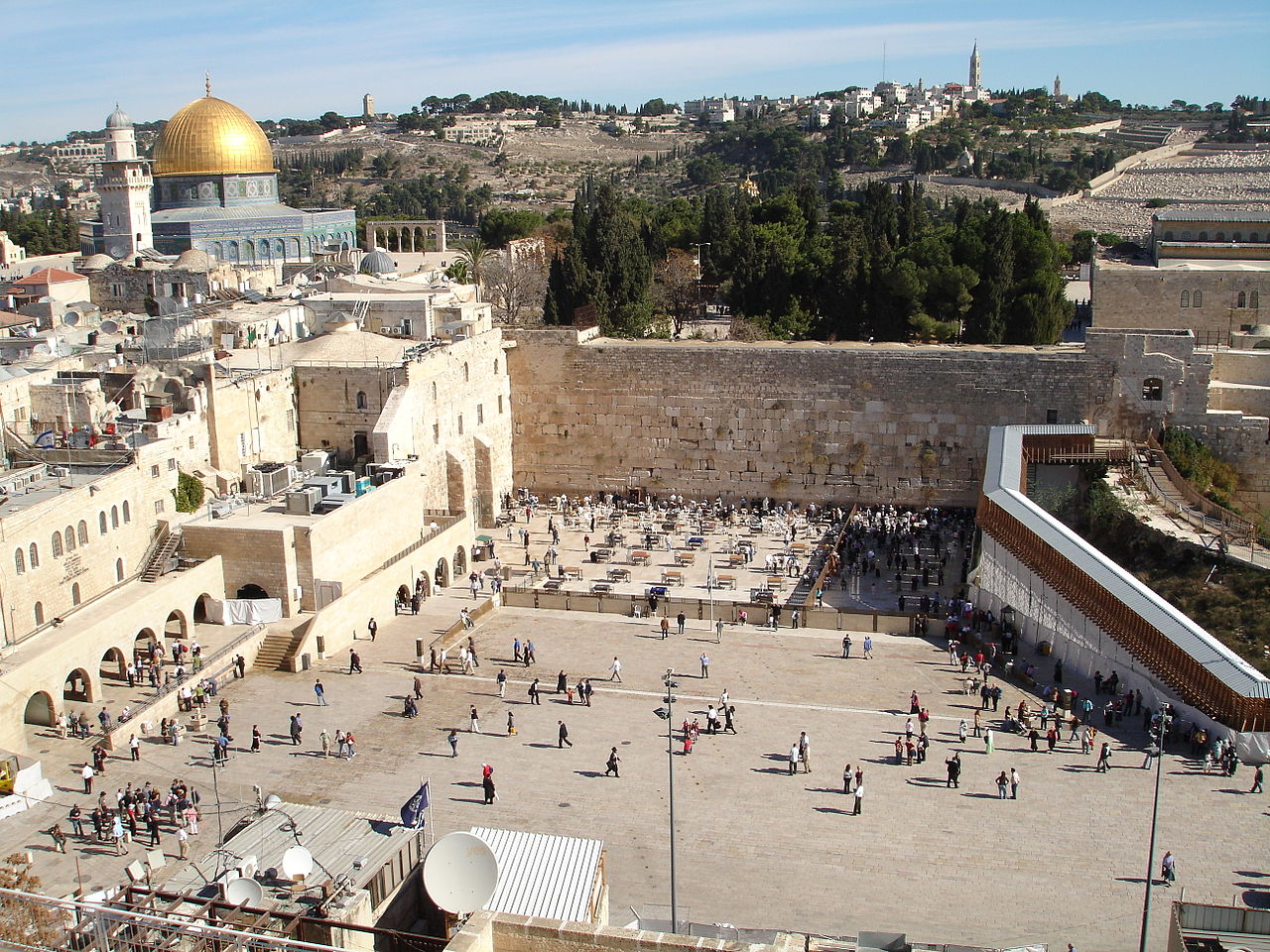
Core characteristics and social functions
Across cultures, sacred things tend to share several features: they are treated with reverence, surrounded by rituals or taboos, and may require specific handling or access. Communities use sacred markers to define identity, transmit values, and regulate behavior. The sacred often supports social cohesion by providing focal points for collective memory and public practice, and it can also be a source of conflict when competing claims overlap.
Historical development and variations
Concepts of the sacred have evolved with religious, legal and cultural change. In some traditions the sacred is primarily theological, referring to the divine or morally perfect; in others it is cosmological, connected to ancestors, spirits, or natural forces. Secular societies also create sacred-like categories—national monuments, human rights, or certain public rituals—that function similarly by setting boundaries around what must be respected.
Examples: sacred texts and scriptures
Many faiths preserve writings that are treated as canonical, authoritative and set apart from ordinary literature. These works often shape doctrine, ritual and moral teaching. Examples include:
- The Bible — central to Christian communities and interpretation across denominations (Christianity).
- The Qur'an — the primary scripture in Islam and a text recited and memorized by believers (Islam).
- The Torah — foundational for Jewish law, narrative and liturgy (Judaism).
- The Book of Mormon — regarded as scripture in the Latter-day Saint movement (Mormonism).
- More broadly, many religions preserve sacred books that are set apart by ritual reading, copying and preservation practices.
Examples: sacred places and natural sites
Certain locations gain sacred status through tradition, pilgrimage, myth or historical association. Such places may become centers of worship, law, or communal memory and are frequently protected by custom or legislation.
- Jerusalem — a city with layered sacred significance in Judaism, Christianity and Islam.
- Mecca — the holiest city in Islam and the destination of the annual pilgrimage, the hajj.
- Ise Grand Shrine — a central Shinto site in Japan and a long-standing focal point of ritual (Shinto).
- The Ganges — a river regarded as sacred in Hinduism, central to purification rites and pilgrimage.
Rituals, protection and modern challenges
Regulations around the sacred range from prescribed purification rites to prohibitions against desecration. Sacredness can be enforced by religious authorities, community norms, or civil law. In modern contexts, managing access, conservation and interfaith claims presents legal and ethical questions—especially when sacred sites become tourist destinations or when cultural preservation intersects with development.
Distinctions and notable considerations
It is useful to distinguish sacred from merely valued or sentimental: a family heirloom may be treasured, but a sacred object is typically embedded in communal practice and normative rules. Scholarship on the sacred examines how meanings are produced, who controls them, and how sacred categories change over time. For further reading on comparative perspectives and contemporary issues, consult general introductions to religion and specialized studies of individual traditions such as Christian, Islamic, Jewish, Shinto and Hindu practices.
Related articles
Author
AlegsaOnline.com Sacred: meaning, characteristics, history and examples Leandro Alegsa
URL: https://en.alegsaonline.com/art/85164