
Sacrifice: Ritual, Symbol, and Social Meaning
An overview of sacrifice as a ritual act and metaphor — forms, historical examples, religious meanings, modern uses, and ethical distinctions across cultures and traditions.
Sacrifice commonly refers to giving up something valued for the sake of a person, group, idea or deity. In many religions the act is framed as offering to God or gods, a gesture intended to maintain relationships, ask for favor, or repair moral breaches. Sacrifice can be literal — the killing of an animal or, in extreme historic cases, a human — or symbolic, such as donating time, wealth or status.
Image gallery
8 Images



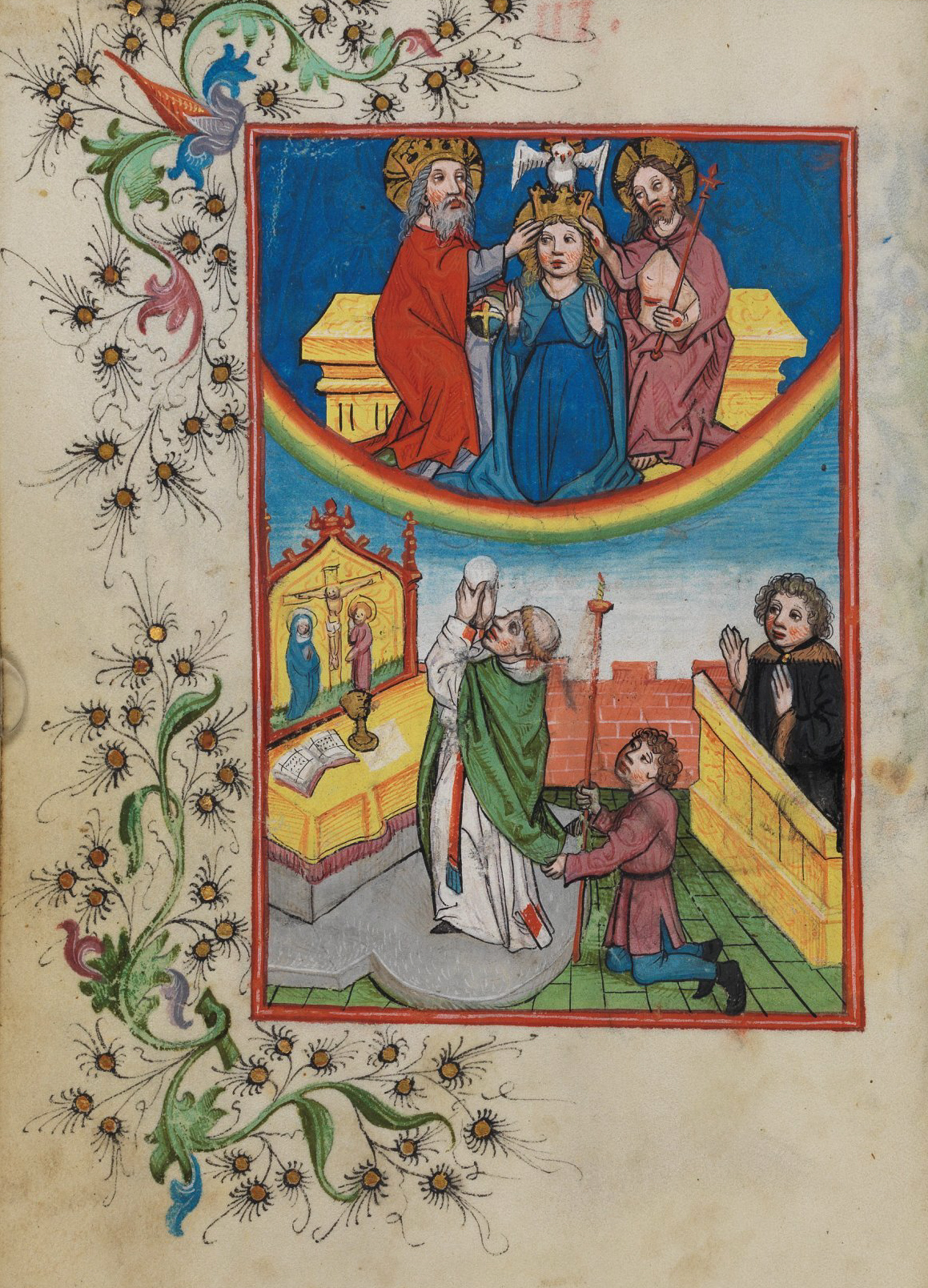

Forms and elements
Ritual sacrifices share recurring features: an object or living thing presented, a setting or altar, prescribed words or gestures, and often intermediaries such as priests. Typical categories include:
- Animal offerings — domestic animals or birds offered in public or household rites; see practices described as animal sacrifices.
- Human sacrifice — historically attested in some societies for political or cosmological reasons; discussed in studies of human sacrifices.
- Vegetal or material gifts — crops, incense, or manufactured goods used as offerings.
History and notable examples
Ancient cultures around the world incorporated sacrifice into civic and religious life. In classical literature, tragic episodes such as the binding or intended sacrifice of Iphigenia appear in the Greek tradition and drama: the story appears in works associated with Greece, notably the play Iphigenia as preserved by authors like Euripides. In the ancient Near East and Israelite religion, the laws and rituals recorded in texts such as the book of Leviticus are often cited in discussions of Old Testament practice, where animal sacrifices were prescribed for communal worship and ritual cleansing. The theological idea of atonement — restoring right relationship after wrongdoing — figures prominently in many interpretations.
In Christianity, writers and traditions interpret the life and death of Jesus in various ways; many describe the crucifixion as a central sacrificial event in New Testament narratives, linking to concepts of New Testament testimony, the cross, and doctrines sometimes called substitutionary atonement in relation to sin.
Modern and secular meanings
Beyond ritual killing, sacrifice is a common metaphor denoting sacrifice of personal goods for collective ends: parents sacrificing sleep for children, citizens in wartime, or individuals foregoing income for a cause. Contemporary religious communities often emphasize symbolic or spiritual offerings rather than literal bloodshed, and many legal systems prohibit practices that harm people.
Debates and distinctions
Scholars and ethicists distinguish ritual sacrifice from ethical sacrifice (voluntary renunciation) and from coercive harm. Debates address historical evidence, the social functions of rites (cohesion, redistribution, legitimization), and moral evaluations. Understanding sacrifice requires attention to cultural context: what an act means to participants, how authorities regulate it, and how meanings change when rites are reinterpreted or secularized.
Related articles
Author
AlegsaOnline.com Sacrifice: Ritual, Symbol, and Social Meaning Leandro Alegsa
URL: https://en.alegsaonline.com/art/85165