
Mecca (Makkah): The Holy City at Islam's Center
Mecca (Makkah al‑Mukarramah) is Islam's holiest city in Saudi Arabia, home to the Kaaba and the Grand Mosque. It is the focal point of the Hajj and a historic urban center with unique religious, cultural and logistical roles.
Mecca, also spelled Makkah and formally known as Makkah al‑Mukarramah, is a city in western Saudi Arabia. It sits inland from the Red Sea, in a narrow valley historically called the Valley of Abraham. Mecca lies roughly 73 kilometres from Jeddah and about 81 kilometres from the Red Sea. The modern municipality had a recorded population of about 1,294,169 in the 2004 census and has since grown as pilgrim and resident numbers increased.
Image gallery
10 Images


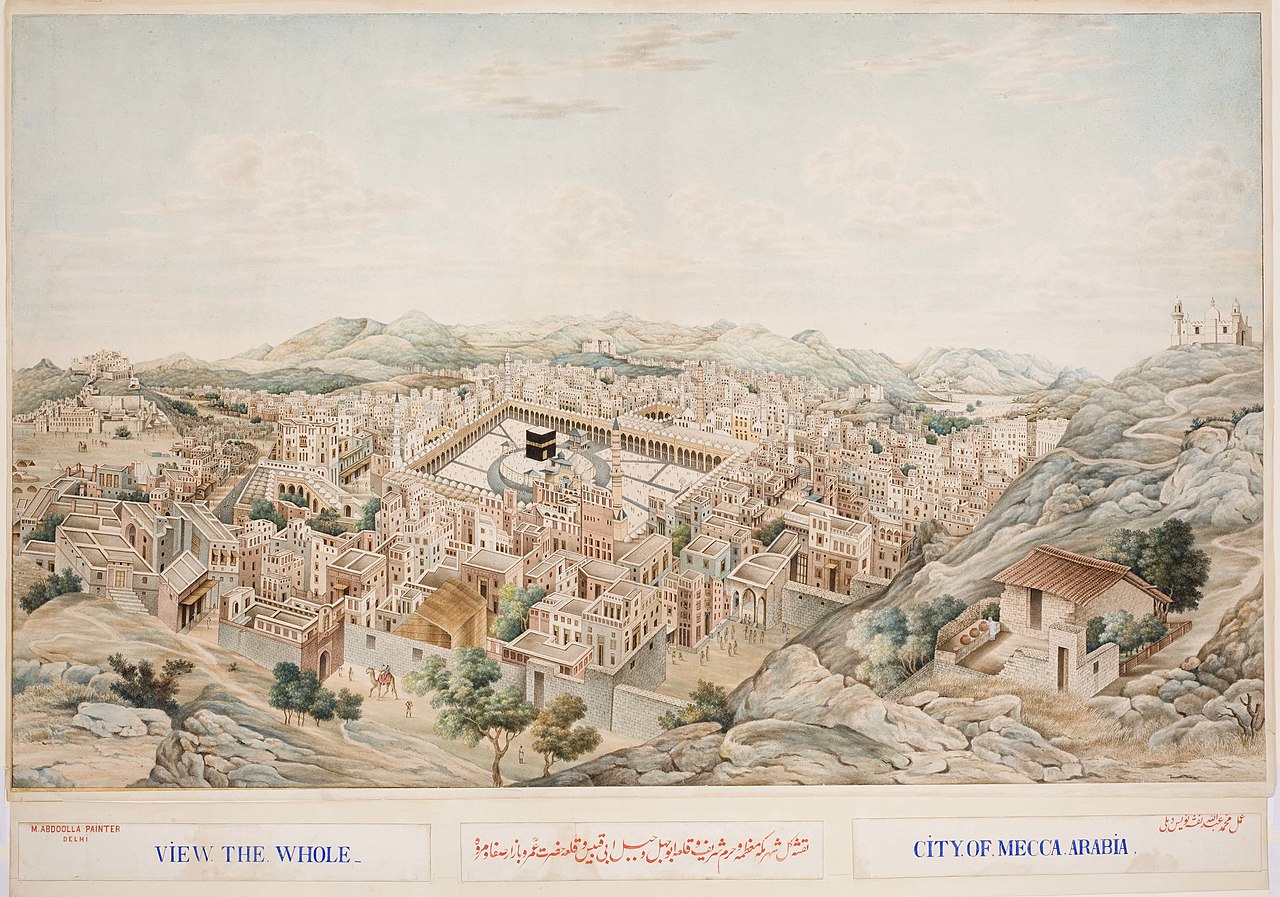
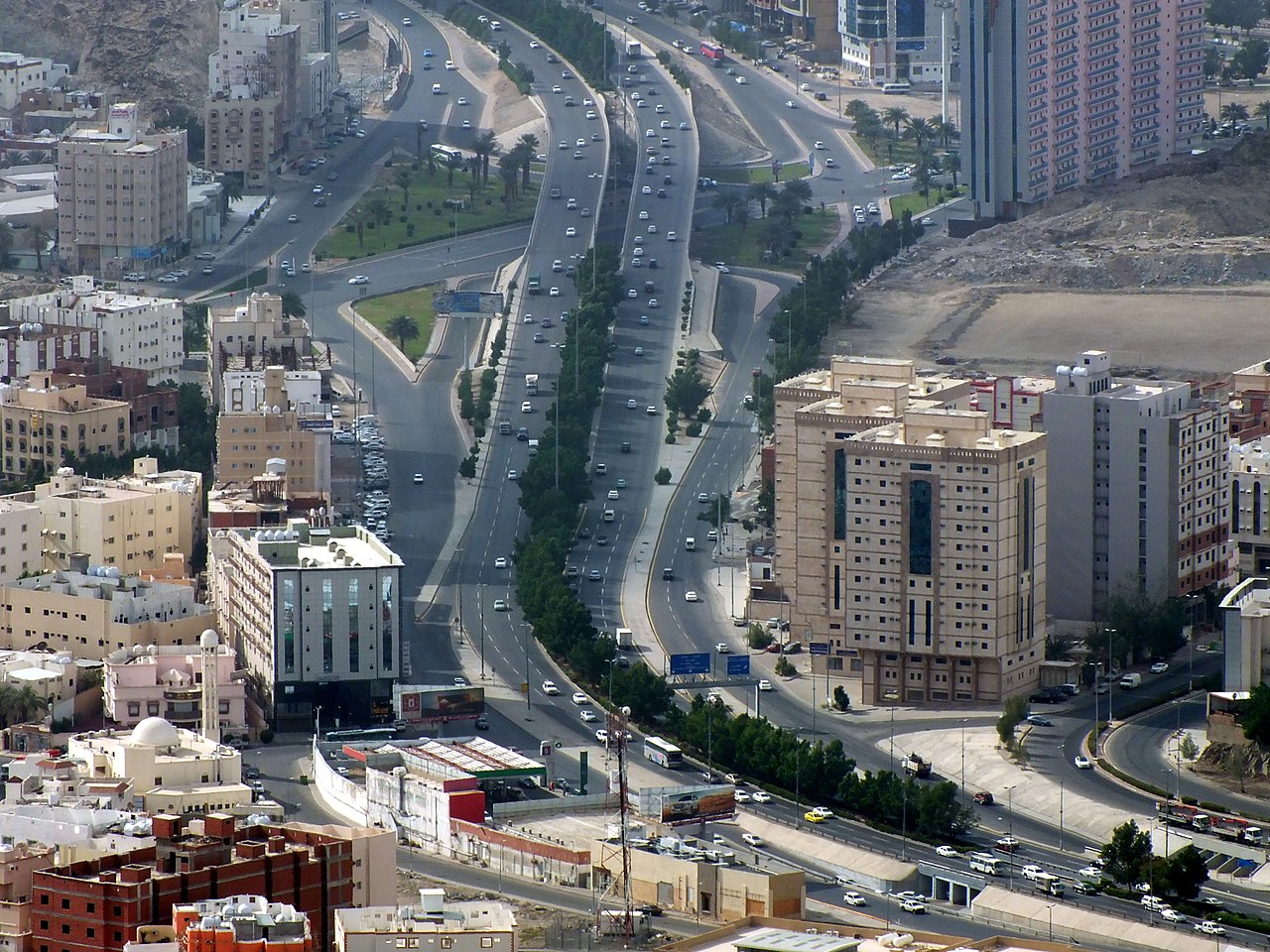


Religious significance and main sites
Mecca is regarded as the holiest city in Islam. At its heart is the Masjid al‑Haram, commonly called the Grand Mosque, which surrounds the Kaaba, a cuboid structure toward which Muslims worldwide direct their prayers. The Grand Mosque and the Kaaba are among the most important mosques and sacred objects in the Muslim world. Millions of worshippers come for the annual Hajj, the required pilgrimage that every capable Muslim must perform at least once, and for the lesser, voluntary pilgrimage known as the Umrah.
The pilgrimage rituals include circumambulation of the Kaaba (tawaf), walking between the hills of Safa and Marwah, congregational prayers, and other acts rooted in early Islamic tradition and pre‑Islamic Arabian practice. Many of those rituals are connected to the life of the Prophet Muhammad and to earlier Abrahamic traditions.
History and development
Mecca's history predates Islam, serving as a commercial and religious center in the Arabian Peninsula. It became the birthplace of Islam in the 7th century CE and grew rapidly as the faith spread. Over centuries the city has been reshaped by successive rulers and by pilgrims who came from across the Muslim world. In the 20th and 21st centuries, large‑scale expansions of the Grand Mosque and urban redevelopment have aimed to accommodate the growing numbers of pilgrims while modernizing infrastructure.
Urban layout, infrastructure and management
Today Mecca combines ancient structures with modern facilities: extensive pilgrim housing, transport links, health and safety systems, and crowd‑management measures. The Saudi authorities coordinate logistics for Hajj and Umrah, including temporary accommodation in nearby sites, transportation from entry points such as Jeddah, and seasonal services that handle the influx of visitors. Major construction projects have enlarged prayer capacity around the Grand Mosque; these changes are part of ongoing efforts to balance access, safety and preservation.
Notable facts and access
- Entry to the central holy areas of Mecca is restricted; non‑Muslims are generally not permitted to enter the city’s most sacred precincts.
- The Hajj is one of the Five Pillars of Islam and prompts extensive international coordination each year.
- Mecca's economy and identity are closely linked to pilgrimage, religious services and associated hospitality.
For further reading about Mecca’s name, historical sites and the Grand Mosque's architecture, consult specialized sources and official pilgrimage guidance. References and travel information are available via official channels and cultural overviews about the Grand Mosque or general entries on the city and its status. Additional educational resources cover the city's place in religious history and contemporary practice as well as practical information for pilgrims planning Hajj or Umrah. More background on the Prophet Muhammad and the Kaaba is also available, along with logistical guidance from authorities responsible for the Hajj. Other cultural and historical summaries may be found via broader country and regional guides that note Mecca’s location and transport hubs serving pilgrims, including seaports and airports in Saudi Arabia and urban neighbors such as Jeddah. For architectural and archaeological context see specialist materials linked from academic and heritage portals on Mecca and curated collections about the city.
Questions and answers
Q: Where is Mecca located?
A: Mecca is located in Saudi Arabia, 73 kilometers inland from Jeddah, in the narrow sandy Valley of Abraham.
Q: How many people lived in Mecca based on the 2004 census?
A: As of the 2004 census, 1,294,169 people lived in Mecca.
Q: What is the significance of Mecca in the Islamic world?
A: Mecca is the holiest city in the Islamic world.
Q: What is the pilgrimage to Mecca called and who is it for?
A: The pilgrimage to Mecca is called the Hajj and it is for all Muslims who are able to perform it at least once in their life.
Q: What is the importance of following in the footsteps of Muhammad during the Hajj?
A: Muslims follow in the footsteps of Muhammad during the Hajj as a way of connecting with their faith and fulfilling their religious obligations.
Q: What are the Kaaba and Masjid al-Haram?
A: The Kaaba and Masjid al-Haram are the holiest mosques in Islam, located in Mecca.
Q: Who is allowed to enter Mecca?
A: Mecca is closed to non-Muslims except for some journalists reporting on the Hajj.
Related articles
Author
AlegsaOnline.com Mecca (Makkah): The Holy City at Islam's Center Leandro Alegsa
URL: https://en.alegsaonline.com/art/63342
Sources
- holymakkah.gov.sa : Mecca Municipality
- submission.info : The Qur'an 14:37
- usc.edu : The Qur'an 2:217