
Book of Mormon
A central sacred text of the Latter Day Saint movement, presented as an ancient record of peoples in the Americas and published in English in 1830 by Joseph Smith.
Overview
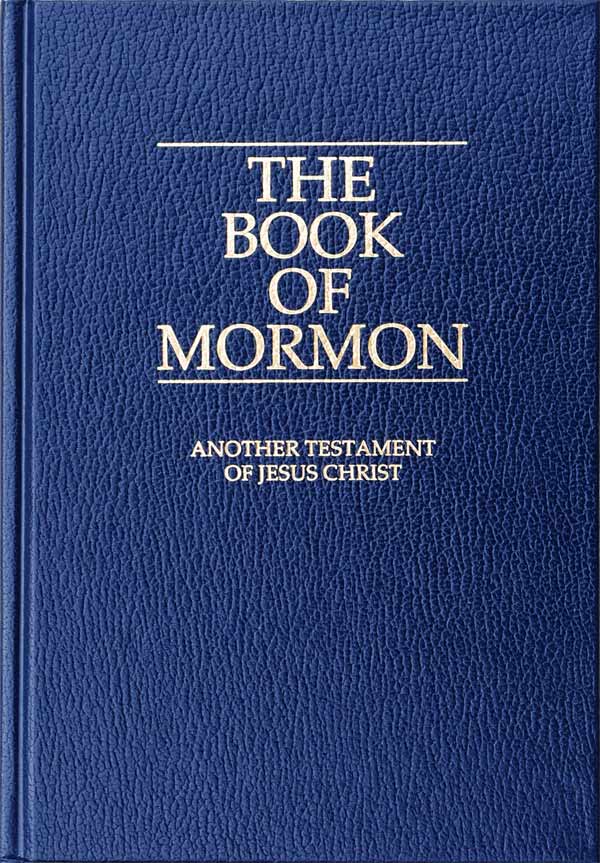
The Book of Mormon is a religious text regarded by members of the Latter Day Saint movement as scripture alongside the Bible. It was first published in English in March 1830 by Joseph Smith, who taught that he was a prophet and that the volume is a translation of ancient records. For believers the book functions primarily as a witness of Jesus Christ and as a source of doctrinal teaching and moral instruction. It is widely used in worship, study, and missionary work among Latter Day Saints.
Image gallery
10 Images






Composition and structure
The Book of Mormon is framed as an abridgement compiled by a prophet-historian named Mormon and finished by his son Moroni. It presents itself as a compilation of multiple plates and records, including an account called the Book of Ether that narrates a separate, earlier civilization. The text asserts that its original written language was influenced by both the learning of the Jews and the language of the Egyptians. Major internal divisions include books with names such as 1 Nephi, Alma, Helaman and Moroni, each combining narrative, sermons and religious counsel.
Narrative summary
According to its narrative, the principal societies described descended from a family led by Lehi that left Jerusalem around the seventh century BCE after prophetic warnings. That family crossed a wide ocean and settled in what the text calls the New World. Over many generations two principal groups, the Nephites and the Lamanites, developed distinct cultural and spiritual identities and entered into repeated conflict. The book also preserves an account of another group, the Jaredites, who, the narrative says, arrived much earlier and whose origins are linked to events described near the time of the Tower of Babel. The story culminates with the visitation of Jesus Christ to the peoples described, his teachings and miracles, and the final decline and destruction of the Nephite civilization.
Key themes and uses
Central themes include testimony of Jesus Christ, covenantal promises, prophetic warning, repentance, and the consequences of righteousness and wickedness. The book contains sermons, law codes, war narratives, and personal testimonies intended to instruct readers about faith, charity and spiritual renewal. Believers point to episodes in which Jesus is said to have performed miracles and established ordinances among the people as confirmation of its religious claims.
History, publication and reception
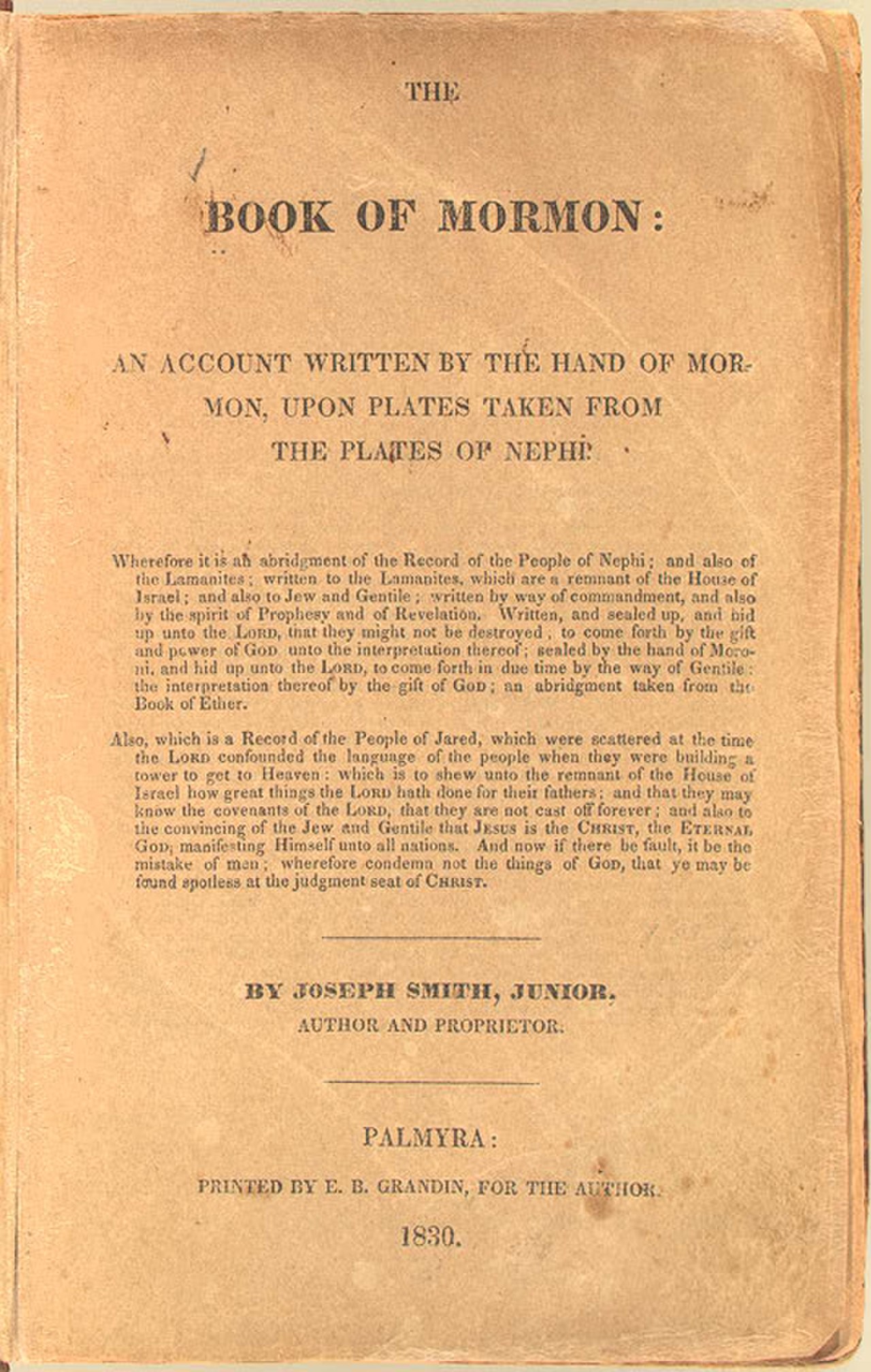
Joseph Smith reported that an angel named Moroni revealed the location of buried metallic plates and other artifacts and directed him to translate them into English. The resulting English edition was printed in 1830 and became the foundational text for Smith's followers. The book's origin and historicity have been the subject of religious devotion, scholarly study and critical debate: adherents accept the narrative as ancient scripture and an additional testament of Jesus Christ, while many secular historians and archaeologists treat its historic claims with caution or dispute. The Book of Mormon has inspired extensive commentary, translation into many languages, and a distinctive role in the identity and practices of Latter Day Saint communities.
Structure, notable passages and distinctions
Notable structural features include the framing device of Mormon's abridgement, the survival of an earlier record within the text (the Book of Ether), and the presence of prophetic voices resembling those in the Old Testament. The narrative highlights named figures such as Lehi and Moroni, and it portrays recurring cycles of reform and decline. Readers often consult specific books or passages for devotional reading, doctrinal study and instruction in missionary settings. Editions of the Book of Mormon include study aids, chapter headings and cross-references; it remains a defining scripture for millions and a subject of ongoing religious, literary and historical interest.
- Primary religious role: scripture for Latter Day Saints.
- Composition claim: translation of ancient plates into English by Joseph Smith, who identified as a prophet.
- Internal books: includes the Book of Ether and the writings of Mormon and Moroni.
- Geographic claims: migration from Jerusalem to the New World after crossing a large ocean.
- Cultural frame: mixes traditions linked to Jewish learning and the Egyptians, and draws thematic parallels with the Old Testament.
For many adherents the Book of Mormon functions as a companion to the Bible, offering additional witness of Christ and guidance for individual and communal life; for others it is a document of historical and literary interest whose origins and claims continue to provoke discussion and research.
Questions and answers
Q: What is the Book of Mormon?
A: The Book of Mormon is a book that Latter Day Saints believe is the word of God along with the Bible. It was originally written in a language made from "the learning of the Jews and the language of the Egyptians" and was translated into English by Joseph Smith Jr., who said he was a prophet like those in the Old Testament.
Q: Who wrote it?
A: The original English version of the Book of Mormon was published in March 1830 by Joseph Smith Jr. He said he translated it from gold plates given to him by an angel.
Q: What does it tell us?
A: The story told in the Book of Mormon is a shortened version written by a man named Mormon about two groups called Nephites and Lamanites, whose ancestors left Jerusalem about 600 years before Christ's birth, sailed across an ocean, and came to live in the New World. It gives details about their families, cities, wars, systems of government, spiritual experiences and religious beliefs among other things. The main purpose is to teach about Jesus Christ and also contains another old book (the Book of Ether) which tells a story about another people (called Jaredites) who lived shortly after Babel but died out due to wars.
Q: How are Nephites and Lamanites portrayed?
A: Usually, Nephites are shown as more righteous, industrious and peaceful while Lamanites are depicted as wicked, lazy and warlike; however near the end of the book Nephites become more wicked than Lamanites so all die except for one named Moroni who buried it so Joseph Smith could find it later on.
Q: What is central theme around which this book revolves?
A: The central theme revolves around Jesus Christ visiting these people described in this book performing miracles for them showing them how to live rightly according to God's will.
Related articles
Author
AlegsaOnline.com Book of Mormon Leandro Alegsa
URL: https://en.alegsaonline.com/art/12982