
Sahih Muslim: an overview of the hadith collection and its significance
Sahih Muslim is a principal Sunni hadith collection compiled by Muslim ibn al-Hajjaj; it is regarded with high authority, paired with Sahih al-Bukhari and widely used in law, theology and hadith studies.
Sahih Muslim (Arabic: صحيح مسلم) is one of the major Sunni hadith compilations and is traditionally ranked just after Sahih al‑Bukhari in authority. Compiled in the 9th century by Muslim ibn al‑Hajjaj, it forms a core part of the classical corpus known as the Kutub al‑Sittah (the six canonical books). Together with Bukhari’s work it is commonly referred to as the Sahihayn (the two sahihs).
Image gallery
3 Images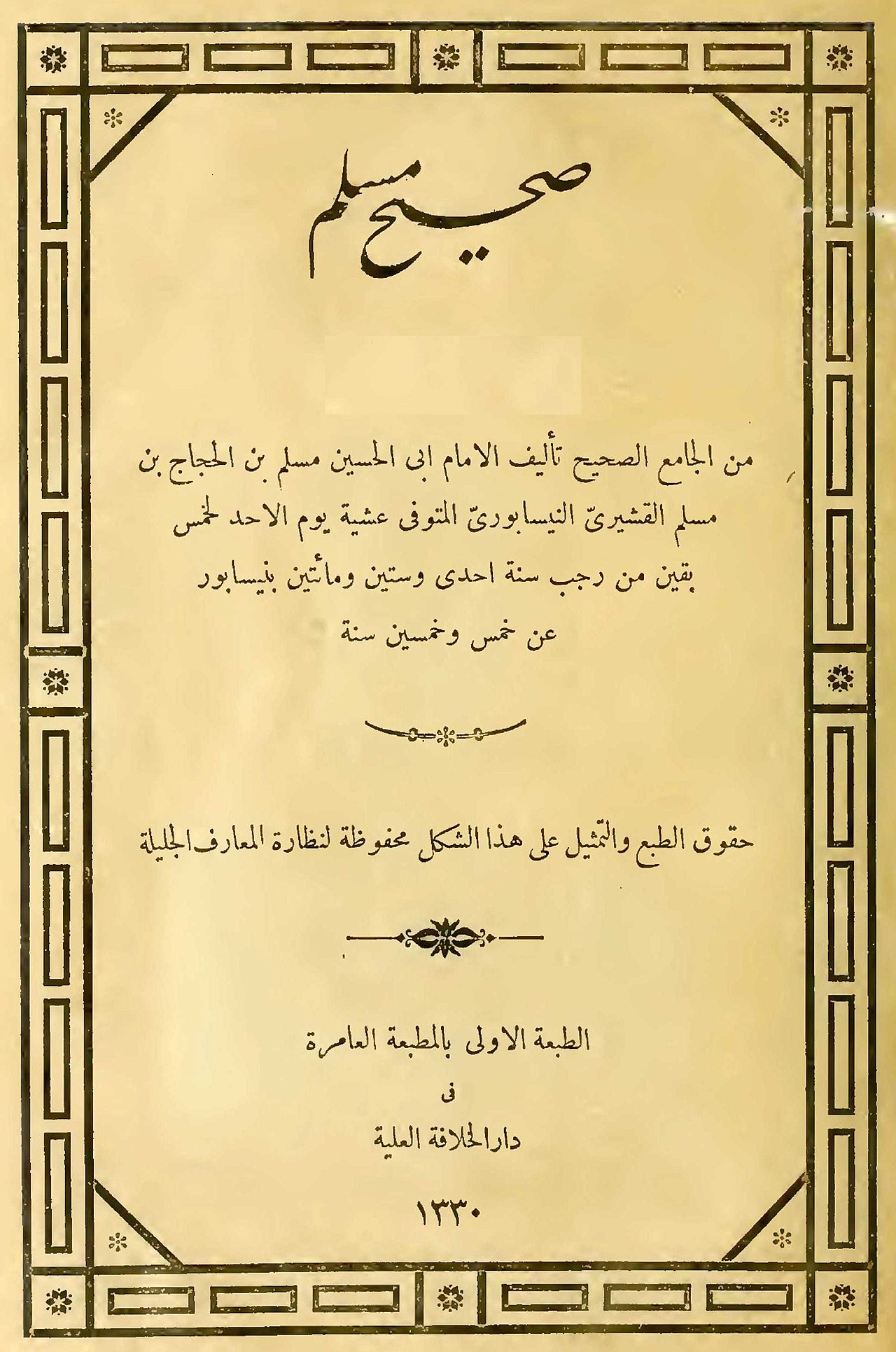

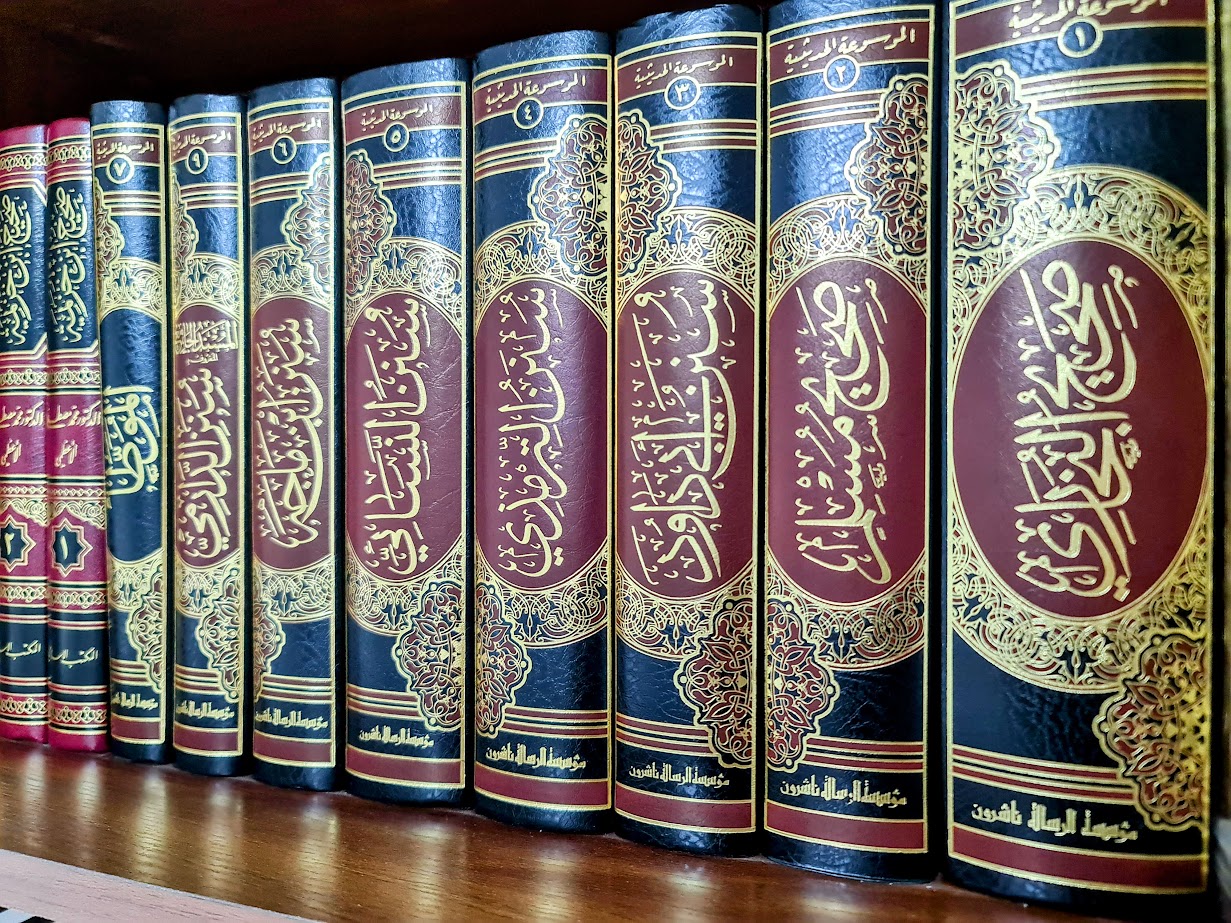
Compilation and structure
Muslim organized his collection topically into books and chapters, grouping traditions by subject such as prayer, fasting, commerce, and ethics. His arrangement aimed to present authentic reports (hadith) with attention to the chain of transmission (isnad) and the text (matn). He selected narrations that met his criteria for continuity and reliability of narrators; the same prophetic report often appears several times under different chains or chapter headings.
Methodology and authenticity
Scholars of hadith credit Muslim with a rigorous methodology: he favored uninterrupted chains and reliable transmitters, and he applied stricter conditions than many earlier compilers. Exact counts of the traditions vary because of repeated isnads and editorial choices; therefore modern statements about the number of hadiths are given cautiously. While Sunni tradition treats Sahih Muslim as highly authoritative, hadith criticism remains a discipline in which individual reports are examined and debated.
Uses, influence and study
- Sahih Muslim is widely cited in jurisprudence, theology, and moral instruction across Sunni schools.
- It has generated extensive medieval and modern commentaries; one of the best known classical explanations is by Imam al‑Nawawi, whose work remains central in study circles.
- Texts from Sahih Muslim are used alongside other collections when deriving legal and doctrinal conclusions, and they are studied in hadith methodology classes.
For readers exploring hadith literature, Sahih Muslim is a foundational source for understanding the prophetic traditions (hadith) and how scholars assessed transmission. Researchers and students may consult critical editions, translations, and commentaries to see how individual reports have been evaluated across time. Further general background on the six canonical collections can be found through resources that survey the Kutub al‑Sittah and the role of the two sahihs in Sunni Islam.
Note: The concise treatment here summarizes widely accepted descriptions of Sahih Muslim and its place in Islamic scholarship without attempting to resolve technical scholarly debates about particular narrations.
Additional entry points: Imam Muslim as compiler, comparative notes with Sahih al‑Bukhari, and introductory materials on صحيح مسلم and hadith studies (hadith). For overviews of the canonical collections see Kutub al‑Sittah.
Questions and answers
Q: What is Sahi Muslim?
A: Sahi Muslim is a collection of hadiths and is considered one of the Kutub al-Sittah in Sunni Islam.
Q: How many hadith collections are included in the Kutub al-Sittah?
A: There are six major hadith collections included in the Kutub al-Sittah.
Q: What is the significance of Sahi Muslim among Sunni Muslims?
A: Sahi Muslim is of high importance among Sunni Muslims.
Q: Who collected Sahi Muslim?
A: Sahi Muslim was collected by Muslim ibn al-Hajjaj, also known as Imam Muslim.
Q: When did Muslim ibn al-Hajjaj live?
A: Muslim ibn al-Hajjaj lived from 815-875.
Q: How is Sahi Muslim ranked in terms of authenticity?
A: Sahi Muslim is considered the second most authentic hadith collection after Sahi al-Bukhari.
Q: What is Sahihayn?
A: Sahihayn is a term used to refer to the collection of Sahi Muslim and Sahi al-Bukhari combined.
Related articles
Author
AlegsaOnline.com Sahih Muslim: an overview of the hadith collection and its significance Leandro Alegsa
URL: https://en.alegsaonline.com/art/85278
Sources
- ibnamin.com : "عدد الحديث الصحيح - إحصائيات متنوعة"