
Torah: Definition, Books, History and Role in Judaism
An overview of the Torah — its meaning, the five books, structure and public reading, historical perspectives, and its religious and cultural importance within Judaism and beyond.
The Torah is the central reference of the Jewish religious tradition. The Hebrew word translated as "instruction" or "teaching" appears in Jewish sources as a name for core revelation and law. In everyday use the term can mean several related concepts: the five foundational books attributed to Moses, the broader canon of the Hebrew Bible (the Tanakh), or the full corpus of Jewish teaching when including oral traditions and later interpretation.
Image gallery
10 Images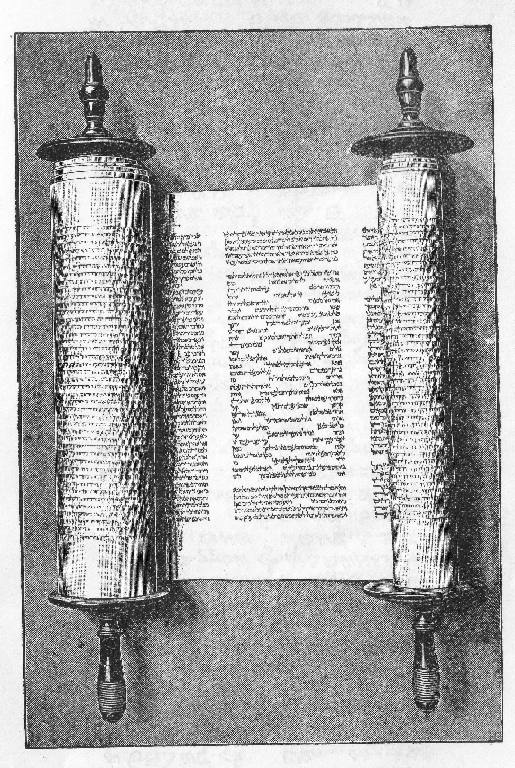




Contents and terminology
The canonical Torah comprises five books that form the opening of the Jewish Bible and the Christian Old Testament. These five books are traditionally listed as:
- Genesis (Hebrew: Bereishit) — the book of origins and ancestral narratives.
- Exodus (Hebrew: Shemot) — the story of liberation and covenant formation.
- Leviticus (Hebrew: Vayikra) — laws and ritual instruction.
- Numbers (Hebrew: Bemidbar) — censuses, travels and legislation.
- Deuteronomy (Hebrew: Devarim) — speeches and restatement of law.
Because the five books are associated with Moses in Jewish tradition, they are sometimes called the "Five Books of Moses" or the Pentateuch. The word "Torah" itself, in Hebrew usage, is often linked to study and instruction; see the Hebrew term Torah for linguistic context. When the term refers to the whole Jewish Bible it overlaps with the Tanakh; in interfaith contexts it is part of the shared scriptures with the Christian Bible.
Structure, public reading, and ritual form
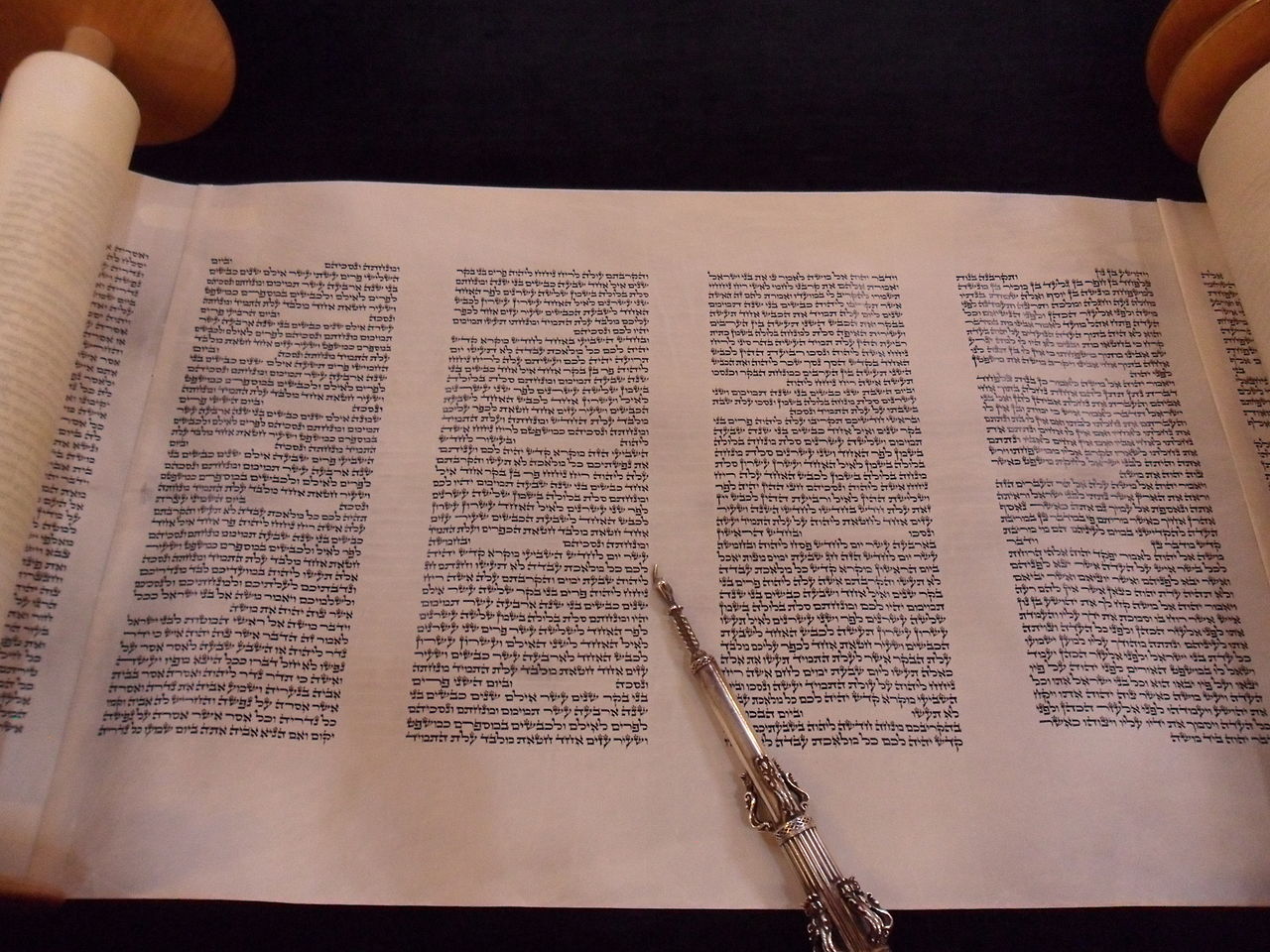
The Torah is divided into weekly portions, called parshiyot (a single portion is a parsha), so that the entire cycle can be read publicly over the course of a year. On each Sabbath a community reads a scheduled parsha in synagogue, sometimes combining two portions when the calendar requires it. The annual cycle concludes with the festival of Simchat Torah, when the final portion is completed and the cycle immediately restarts. Public reading practices bring the written text into communal life: a Torah scroll, handwritten on parchment and treated with ritual care, is used in services and read from the central ark.
Oral tradition, interpretation, and historical perspectives
Beyond the written five books, Jewish tradition distinguishes between the Written Torah and the Oral Torah — the latter encompasses explanations, legal rulings and narratives later codified in works such as the Mishnah and the Talmud. Historically, religious tradition attributes the Torah's authorship to Moses; modern scholarship often studies its composition as the result of multiple sources and editorial stages, a scholarly view proposed to explain repetitions, differing styles, and editorial seams.
Uses, significance, and notable distinctions
The Torah functions as law code, narrative foundation, and a primary object of study. It shapes Jewish liturgy, ethical teaching, family life, and legal practice. Distinctions to note include the Torah proper (the five books) versus the broader Tanakh and the later rabbinic literature; a printed book used for study is commonly called a chumash, while the ritual scroll read in synagogue is the Torah scroll. The Torah's central role extends culturally and legally within Jewish communities and has had a lasting influence on Western religious traditions.
Further reading and resources
To explore more about the Torah and related traditions consult general guides and translations, study resources for the weekly parsha, and introductions to rabbinic interpretation. For context on Jewish worship practices see references about Shabbat and synagogue life here. For historical and linguistic introductions try sources that treat the Hebrew language and textual history, beginning with entries on the Hebrew term Torah, the Tanakh, and comparative discussions involving the Christian Bible. Biographical and traditional material about the figure of Moses remains central to many accounts.
Readers seeking study aids can find annotated editions and commentaries, and academic treatments that address composition and historical development. For a basic study edition used in many communities, consult a reliable chumash or introductory guide (Exodus and other book introductions often include helpful commentaries).
Related articles
Author
AlegsaOnline.com Torah: Definition, Books, History and Role in Judaism Leandro Alegsa
URL: https://en.alegsaonline.com/art/100669