
Rust (iron oxide): causes, chemistry, prevention, and impacts
Rust is the common name for the corrosion of iron and its alloys. This article explains how rust forms, what affects it, common protections, and its practical and historical significance.
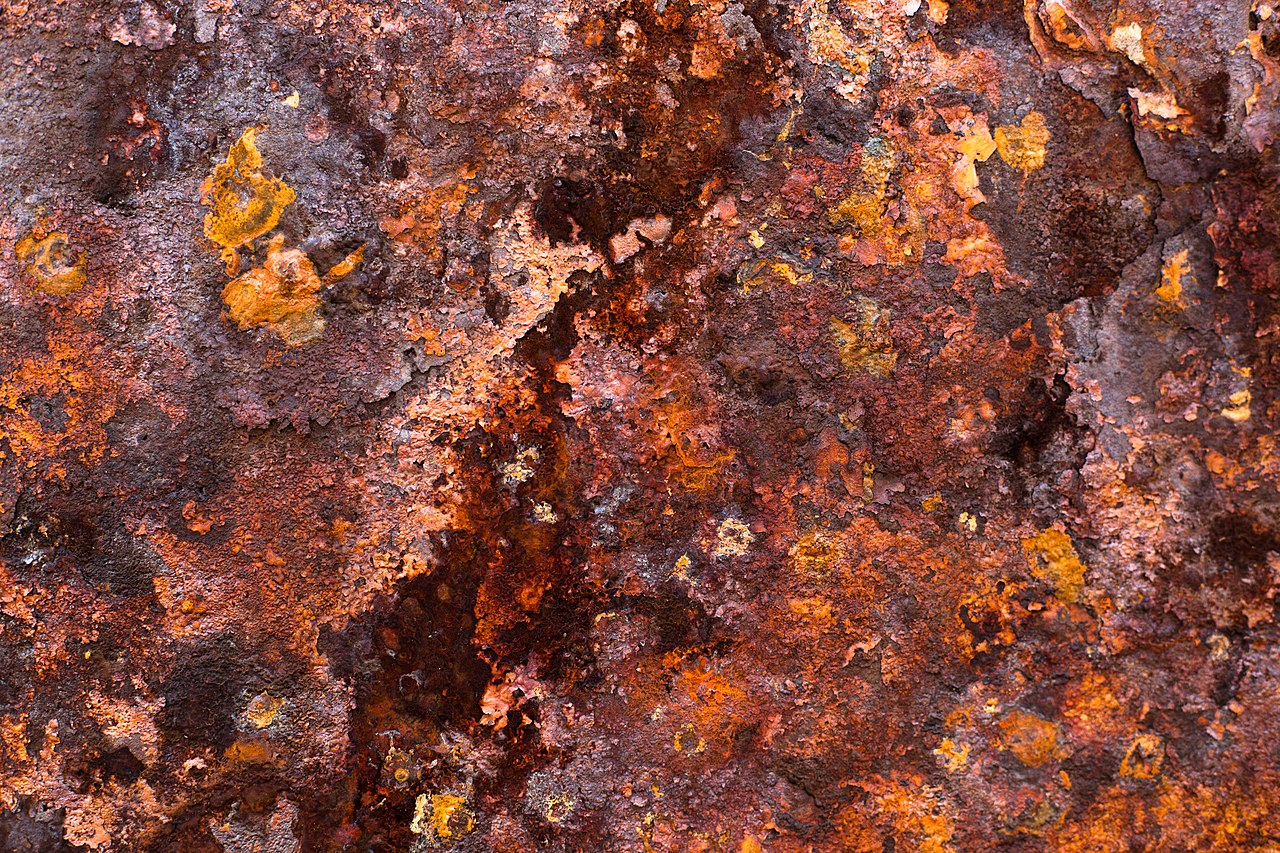
Rust is the familiar reddish-brown flaky material formed when iron and many iron-containing alloys corrode. In technical terms rusting is a form of corrosion that primarily affects iron and its alloys when they are exposed to both air and water. The visible product is produced by a chemical reaction in which oxygen from the environment reacts with iron; the process is driven at a molecular scale by the transfer of electrons between atoms, involving oxygen molecules and dissolved ions.
Image gallery
10 Images



Chemistry and physical characteristics
The common forms of rust are hydrated iron(III) oxides, often represented loosely as Fe2O3·nH2O, and related iron oxide compounds. These compounds are porous and brittle, so they do not form a protective film on the metal surface; instead they flake away and expose fresh metal beneath, allowing corrosion to continue. By contrast, some metals develop a thin, adherent oxide layer that protects the underlying metal: for example aluminium, titanium, and certain chromium-bearing steels form passive films that stop further attack. Modern stainless steel resists rust by forming a chromium oxide layer that limits further oxidation.
Factors affecting rusting
- Presence of moisture and oxygen: Rusting requires both air and water or water vapor; humid or damp air environments accelerate the process.
- Salts and pollutants: Chlorides from seawater or road salt increase conductivity of surface moisture and speed corrosion.
- Mechanical damage and crevices: Paint chips, scratches and crevices trap rain or condensate and can create local cells where corrosion concentrates.
- Material composition: Pure iron behaves differently from engineered alloys; alloying elements and heat treatment change corrosion resistance.
Prevention, protection, and maintenance
Protecting iron and steel from rust combines material choices, protective coatings and design practices. Common methods include surface coatings such as paint, oil, greases or plastic coverings; cathodic protection using sacrificial anodes (for example zinc in marine environments); and industrial treatments such as galvanizing (zinc coating). Selecting corrosion-resistant alloys or stainless steel for key components is another common strategy. Regular inspection, prompt repair of damaged coatings, and thoughtful design to avoid water traps reduce long-term deterioration.
History, examples, and practical importance
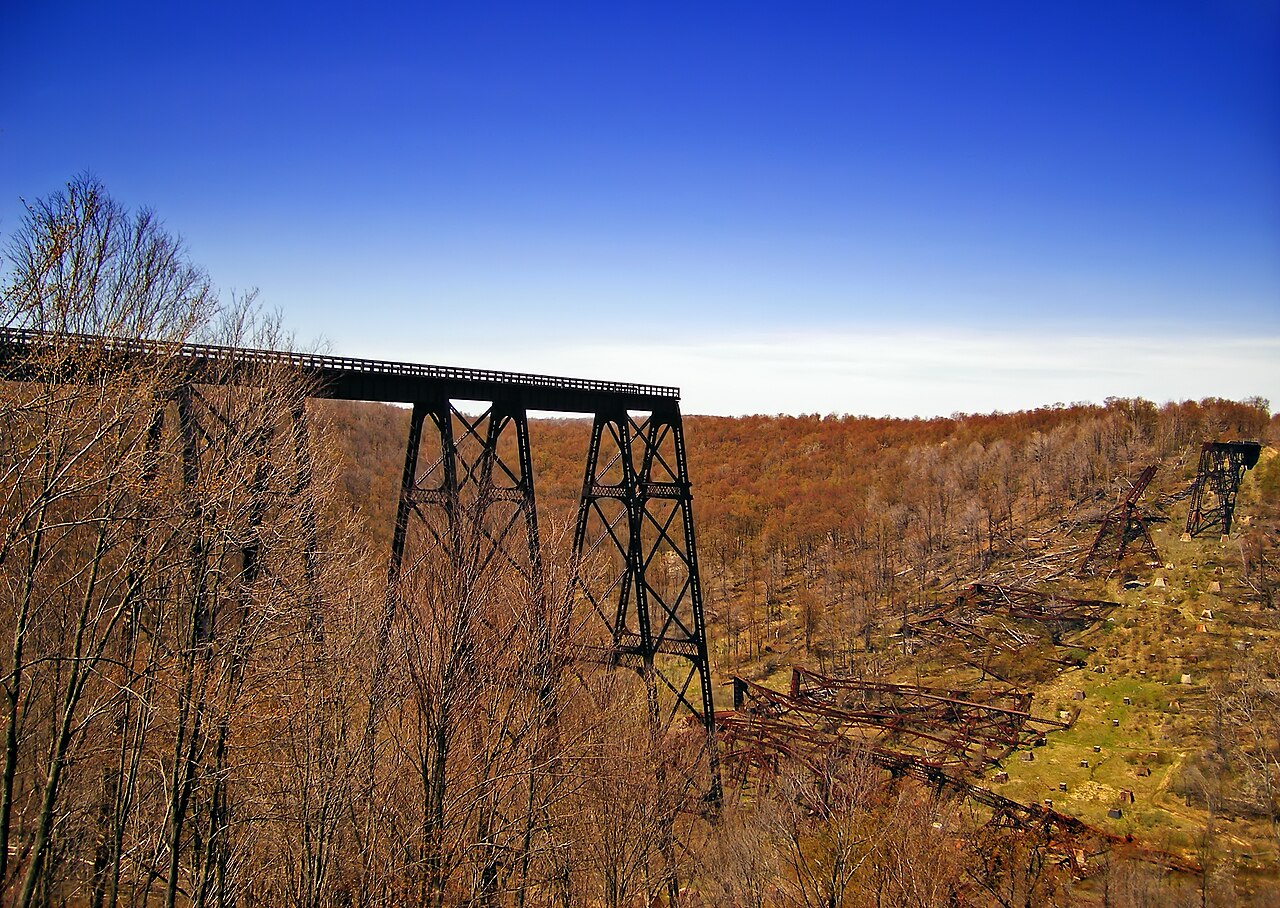
Rust has influenced engineering, architecture and transport since the Industrial Revolution: from bridges and railways to ships and automobiles, long-term maintenance requires managing corrosion. The economic and safety impacts of uncontrolled rust are substantial, driving standards for coatings, materials and inspection regimes. Typical examples include protective paint on steel structures, sacrificial anodes on ship hulls, and galvanic protection of buried pipelines.
Distinctions and notable facts
The term "rust" is commonly used for the corrosion products of iron, while other metals may corrode to different oxides or salts. Rust is often visibly red or brown, a useful field sign though exact hue varies with composition and hydration. The fragile compounds are collectively described as iron oxides and typically detach from the metal, allowing the attack to progress. In some natural settings, colored growths such as certain fungi or biological films can superficially resemble rust but are distinct in origin. Understanding the mechanisms and adopting appropriate countermeasures helps protect infrastructure and extend the life of iron-based materials.
Related articles
Author
AlegsaOnline.com Rust (iron oxide): causes, chemistry, prevention, and impacts Leandro Alegsa
URL: https://en.alegsaonline.com/art/84866