
Rain: Formation, Types, Measurement, and Impacts
Rain is liquid water falling from clouds. This article explains how rain forms, common types, how it is measured, its role in the water cycle, ecological effects, hazards, and human responses.
Overview
Rain is liquid water that falls from the atmosphere to the ground and is one of several forms of precipitation. It plays a central role in distributing fresh water across landscapes and supports terrestrial ecosystems, agriculture and human settlements. Rain varies widely in intensity, duration and droplet size, and can be described as light drizzle, steady rain, or heavy downpours.
Image gallery
10 Images




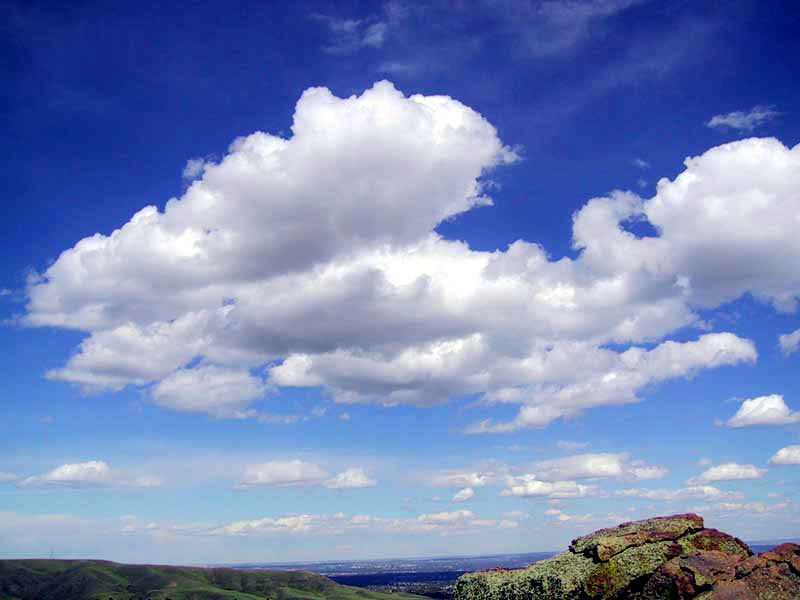
How rain forms
Rain originates in clouds when water vapor condenses into tiny droplets around particles called cloud condensation nuclei. Droplets grow either by colliding and coalescing with one another in warm clouds or by ice processes in colder clouds, where ice crystals grow and fall as they melt. Atmospheric lift from fronts, convection or mountains concentrates moisture and encourages cloud growth, producing different varieties of rain.
Types and classification
Weather services and forecasters commonly distinguish several forms of rainfall based on their cause and behavior:
- Frontal rain — associated with weather fronts and widespread cloud bands.
- Convective rain — localized, often intense showers and thunderstorms.
- Orographic rain — produced when air rises over mountains and cools.
- Drizzle and steady rain — light, prolonged precipitation.
Other kinds of frozen precipitation include hail and sleet, while snow forms when ice crystals reach the surface without melting.
Measurement and observation
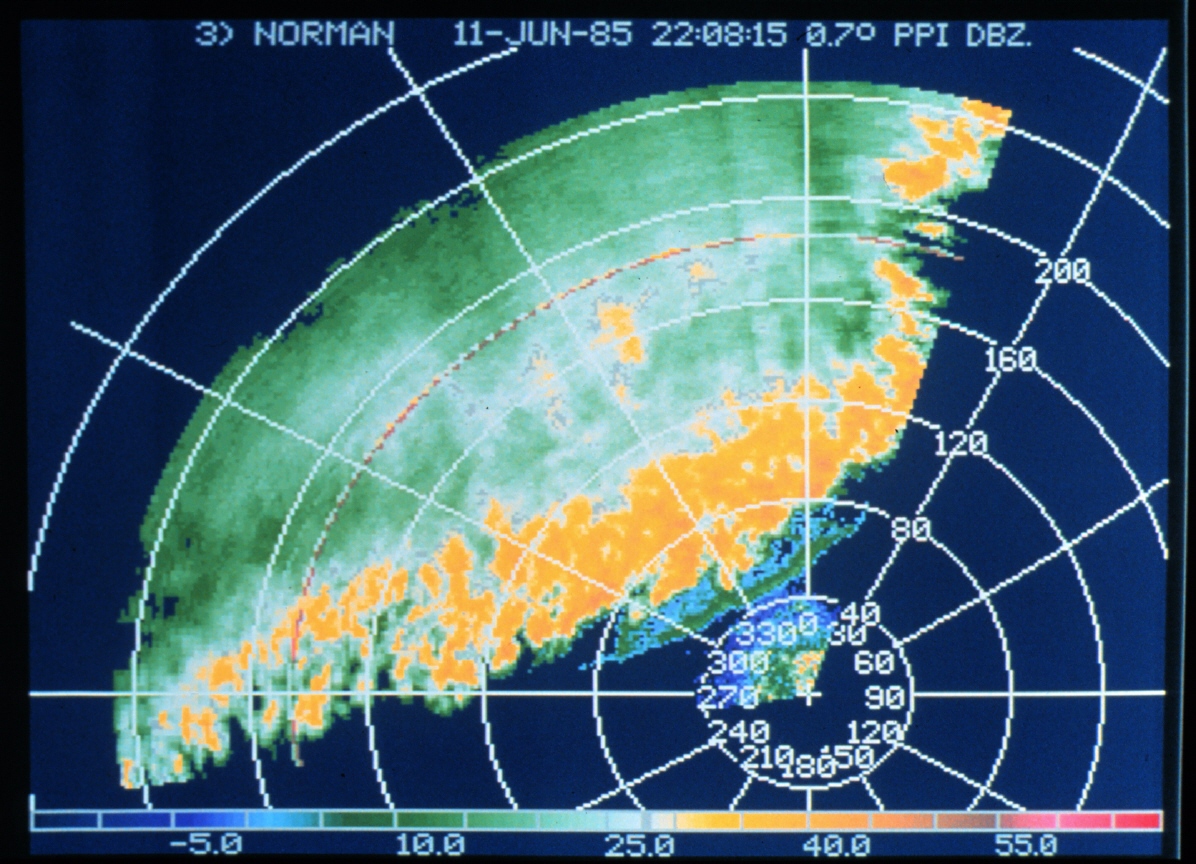
Rainfall is measured and monitored in several ways. The simplest instrument is the rain gauge, which collects water and yields a depth measurement often reported in millimeters. Meteorological radars and satellites provide spatial coverage and intensity estimates, while local observers and automated networks record totals and rates. These measurements inform water management, forecasting and flood warnings.
Role in the water cycle, ecosystems and climate
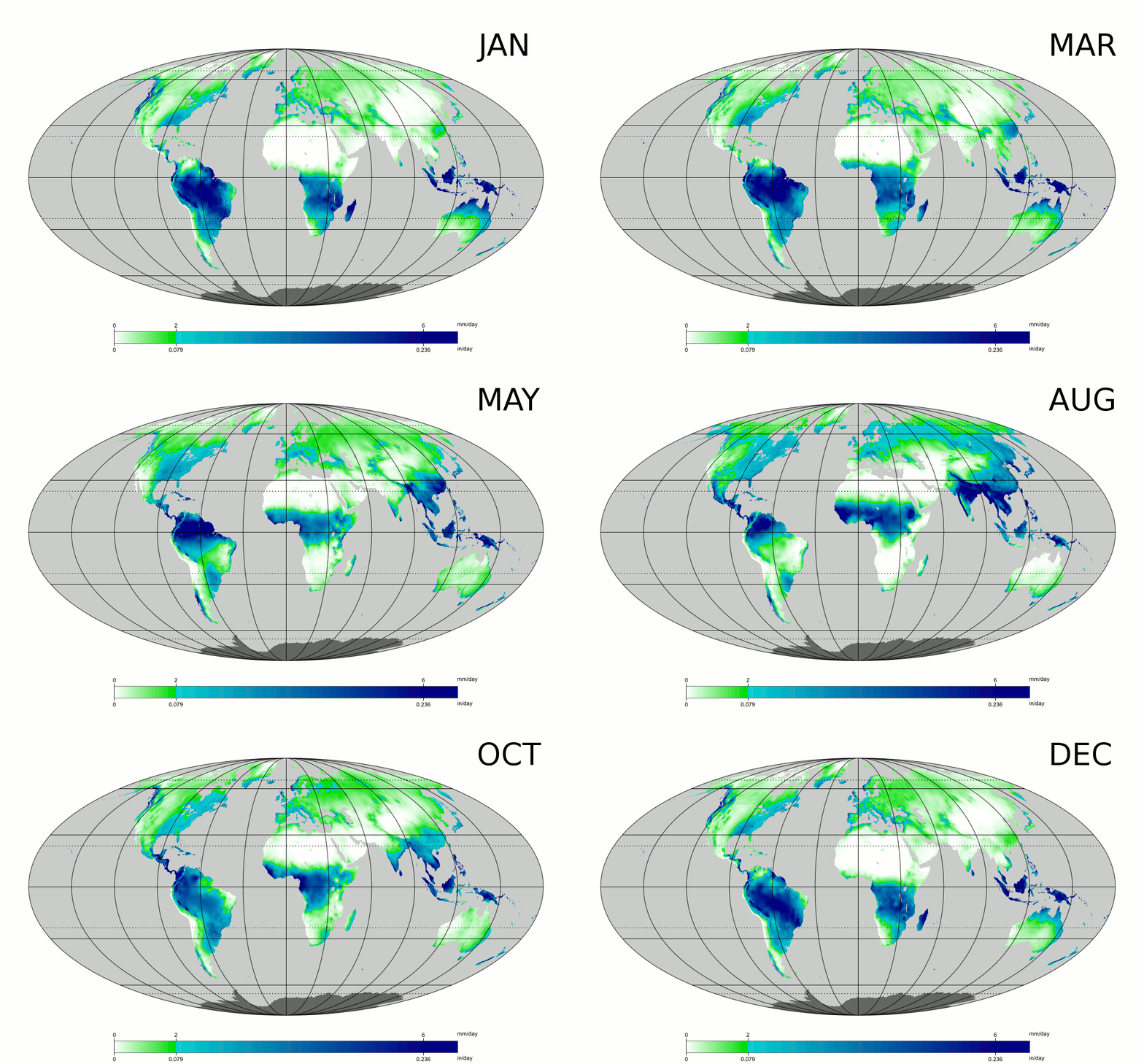
Rain is a key component of the water cycle, replenishing rivers, lakes and aquifers, and supporting plant growth. Regions with frequent precipitation may develop lush rainforests and rich biodiversity, whereas persistent lack of rain contributes to deserts and sparse vegetation. Seasonal rainfall patterns shape agricultural calendars and human livelihoods around the world.
Hazards, benefits and human responses
Rain brings both benefits and risks. Moderate precipitation supplies water for drinking, irrigation and industry, but intense or prolonged rainfall can trigger dangerous events such as flash floods, widespread floods and slope failures like landslides. Cities and rural areas reduce vulnerability through drainage systems, reservoirs, land-use planning and early warning systems. Understanding local rainfall patterns is essential for infrastructure design and disaster preparedness.
Notable facts: Rain quality can be affected by airborne pollutants, producing acid rain in some regions; measurement conventions and reporting vary by country, but the basic concept — water falling from clouds — remains universal.
Questions and answers
Q: What is precipitation?
A: Precipitation is any kind of water that falls from clouds in the sky, like rain, hail, sleet and snow.
Q: How is rain measured?
A: Rain is measured by a rain gauge.
Q: What is the water cycle?
A: The water cycle is the process by which water evaporates from the earth's surface, rises into the atmosphere, condenses into clouds, and returns to the earth as precipitation.
Q: What is the relationship between rain and rainforests?
A: Some places have frequent rain, which leads to the creation of rainforests.
Q: What occurs during a rainstorm?
A: During a rainstorm, there is a sudden heavy fall of rain that may cause flash floods in valleys.
Q: What are the potential dangers of heavy rain for a long time?
A: Heavy rain for a long time may make floods that destroy houses and drown people, and landslides may happen.
Q: What is the process by which clouds absorb smoke in order to create rain and what is this phenomenon called?
A: The process by which clouds absorb smoke to create rain is commonly referred to as "nature's laundry."
Related articles
Author
AlegsaOnline.com Rain: Formation, Types, Measurement, and Impacts Leandro Alegsa
URL: https://en.alegsaonline.com/art/80901