
Titanium
Titanium is a corrosion-resistant, strong, lightweight transition metal (atomic number 22, symbol Ti) used in aerospace, medicine, pigments and industrial applications.
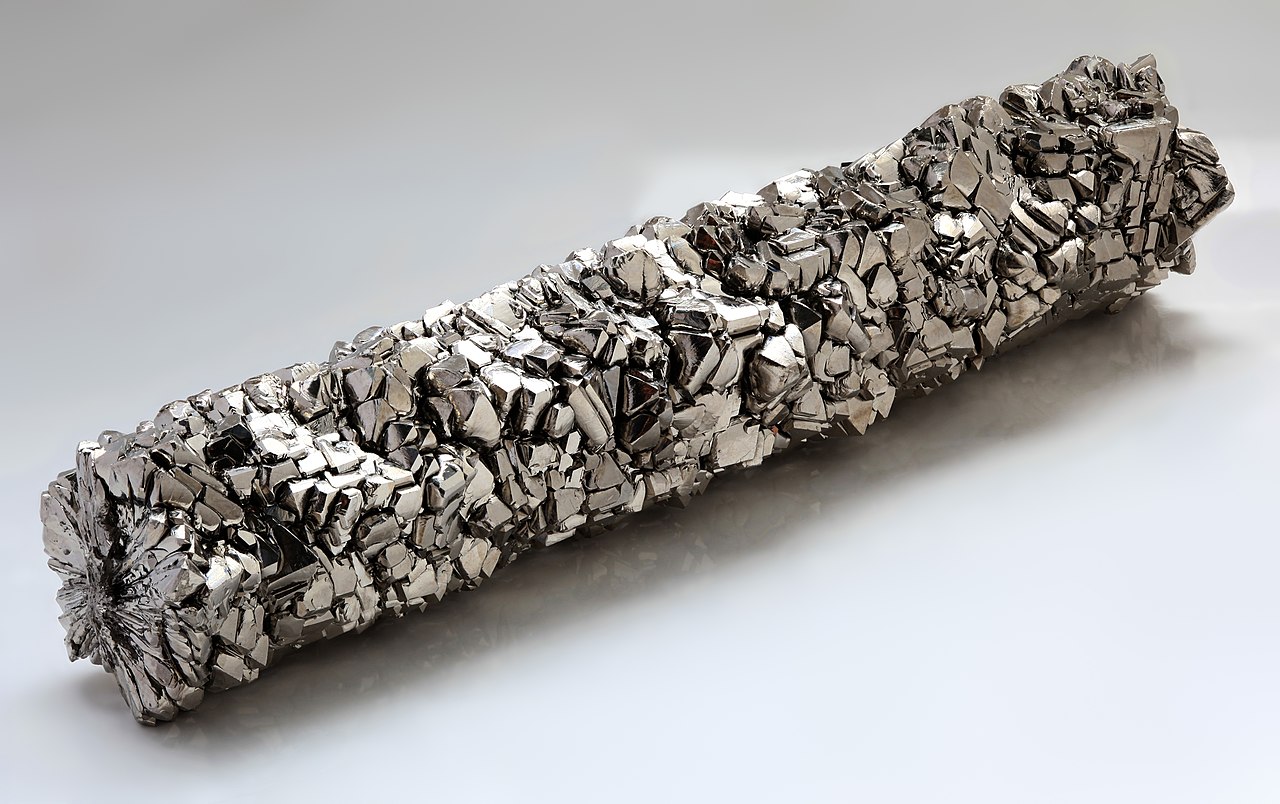
Titanium is a lustrous, silver-gray transition metal known for a high strength-to-weight ratio and strong resistance to corrosion. It is chemical element number 22 on the periodic table and bears the symbol Ti. Discovered in 1791 by William Gregor, its name derives from the Titans of Greek mythology. The element has 22 protons and 22 electrons; the most common isotope contains 26 neutrons. Because of its combination of lightness, toughness and biocompatibility, titanium occupies an important position among engineering metals.
Image gallery
10 Images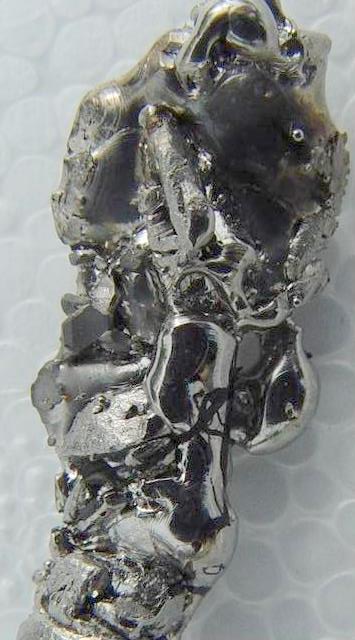





Physical and chemical characteristics
Titanium is valued for several interrelated properties. It forms a thin, adherent oxide layer almost as soon as clean metal is exposed to air; this passive film gives the metal exceptional resistance to many corrosive environments. The metal itself is strong yet relatively light — denser than aluminium but far less dense than steel — which yields an attractive strength-to-weight advantage. In pure form titanium is ductile and can be worked by forging and rolling, and it remains stable across a wide temperature range. Notable cautions include the fact that finely divided titanium dust and powders can be highly reactive and flammable under certain conditions.
Surface chemistry and titanium dioxide
When titanium reacts with oxygen it produces titanium dioxide (TiO2), a durable, white oxide that forms the protective shell on metal surfaces. That oxide is chemically inert in many situations and is widely used as a white pigment in paints, coatings and paper because of its excellent light-scattering properties. Titanium dioxide also serves in sunscreens for its ultraviolet blocking ability and appears in consumer products such as toothpaste and food formulations as an opaque additive in many jurisdictions. The oxide layer on metallic titanium is the primary reason the metal does not corrode easily in aggressive media.
Alloys and major uses
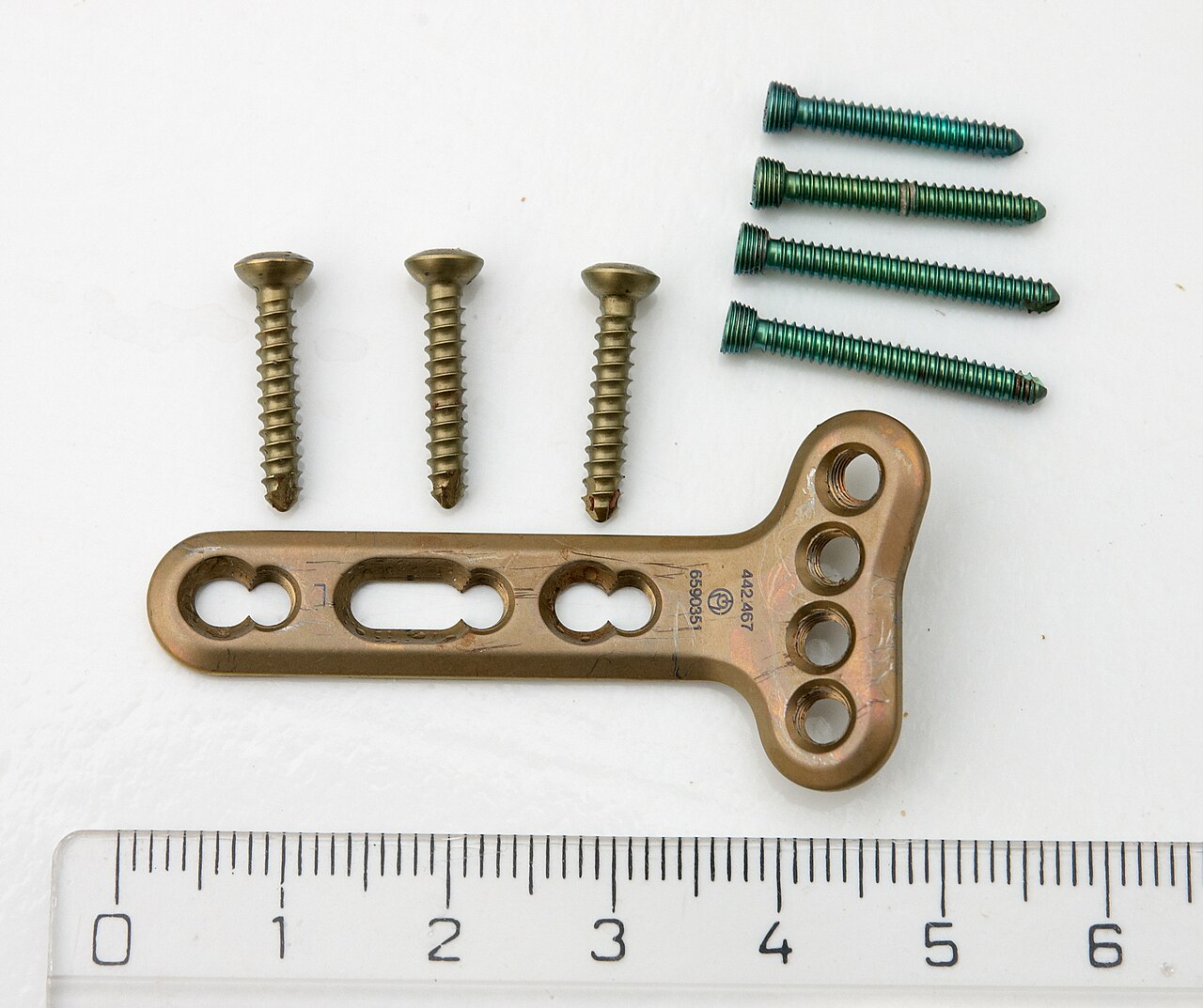
Titanium rarely appears in commercial parts in pure elemental form; instead it is combined with aluminium, vanadium and other elements to produce alloys with enhanced mechanical and thermal properties. These alloys are central to aerospace engineering, where their lightweight and high-temperature strength make them suitable for airframe components, fasteners and engine parts. Titanium alloys can substitute for steel in applications demanding corrosion resistance while remaining competitive with aluminium in strength-to-weight performance. Other important applications include medical implants (hip joints and dental implants) because of titanium’s biocompatibility, chemical process equipment, marine hardware, sports equipment and high-end consumer goods.
Production, ores and processing
Titanium is extracted from mineral sources such as rutile and ilmenite. The metal is not found in nature as native metal and must be produced by multi-step industrial processes: common practice involves converting ore into titanium tetrachloride and then reducing that compound to metal with a reactive metal like magnesium. Traditional methods, such as the Kroll process, are energy- and labor-intensive, which historically made titanium more costly than common structural metals. Recycling of titanium scrap is now an important part of the supply chain, reducing cost and environmental impact.
Corrosion, safety and distinguishing facts
Titanium’s protective oxide makes it highly resistant even under harsh conditions including exposure to sea water and chlorine, though specialized environments can attack it. Machining and welding titanium require controls for contamination and temperature because the metal is reactive when hot. While titanium components offer long life and reduced maintenance, the material’s higher initial cost and processing complexity remain considerations. For quick reference: titanium is a strong, lightweight metal that forms chemical compounds important to industry, and practical use balances performance advantages with manufacturing costs.
- Element: atomic number 22, symbol Ti.
- Common isotope: has 26 neutrons in the most abundant form.
- Key oxide: titanium dioxide (TiO2), a widely used white pigment.
- Main uses: aerospace, medical implants, chemical processing, consumer products.
For further technical details and specifications, consult dedicated materials science and engineering sources or standards documents that address titanium grades, alloy compositions and processing guidelines. Reliable introductory overviews and regulatory or material datasheets are available via professional and academic resources: see entries indexed by major material authorities and industrial suppliers for grade-by-grade comparisons and handling recommendations (overview, periodic reference).
Related articles
Author
AlegsaOnline.com Titanium Leandro Alegsa
URL: https://en.alegsaonline.com/art/100122