
Rust Belt: decline, legacy and revitalization of America's industrial heartland
Region of the northern United States around the Great Lakes notable for 19th–20th century heavy industry and later deindustrialization, population loss, and ongoing economic transitions.
Overview
The term "Rust Belt" describes a broad region in the northern United States that stretches around the Great Lakes and into parts of the Midwest. It is a historical and cultural label more than a precise boundary. For decades the area was a center of steel and other heavy manufacturing, with high levels of industrial production and dense factory towns built to serve foundries, mills and assembly lines. The phrase evokes both the visible wear on old plants and the economic transformation that followed: areas once defined by industry later showing signs of rust and disuse.
Image gallery
10 Images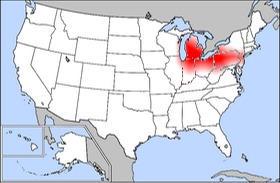



History and causes of decline
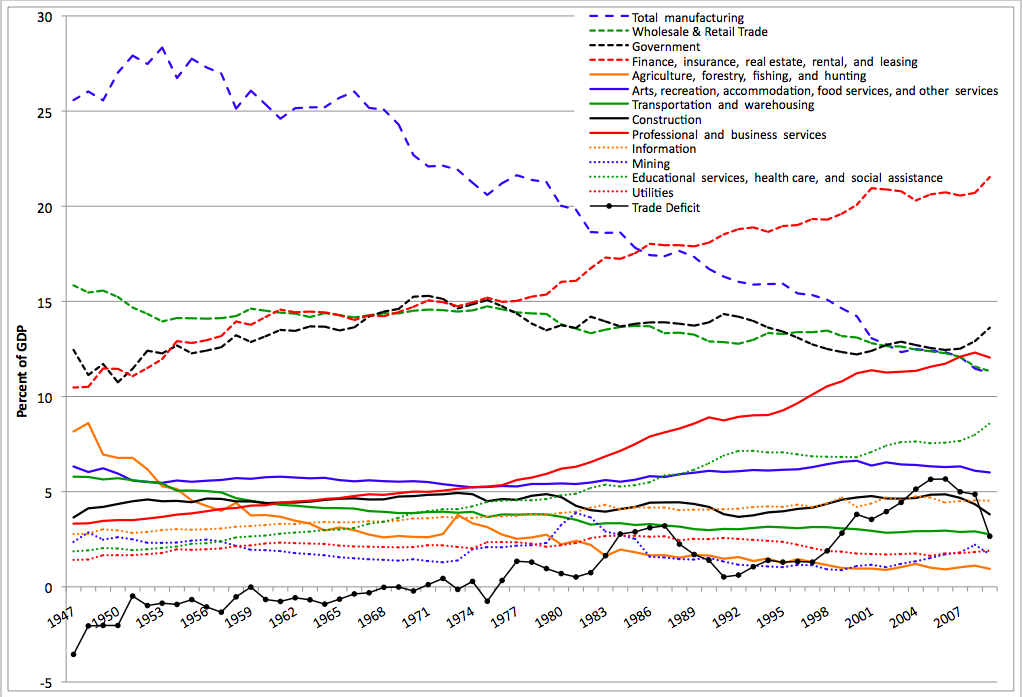
The Rust Belt emerged during the 19th and early 20th centuries as companies clustered near raw materials, waterways and railroads. Access to iron ore, coal and transport via the Great Lakes, canals and rivers made the region an industrial hub. By mid-century, large-scale heavy industry dominated local economies. Starting in the middle of the 20th century, a combination of factors produced a long decline: global competition as manufacturers shifted production to other countries, technological automation that reduced labor needs, aging facilities, corporate restructuring and suburbanization. These forces lowered industrial output and led to plant closures across multiple sectors.
Economic and social impacts
The consequences were widespread. Many Rust Belt cities experienced falling population, job losses, and deteriorating public finances. Older neighborhoods and industrial corridors often became brownfields—contaminated or abandoned industrial lands—that posed environmental and redevelopment challenges. The region’s experience reshaped demographics, politics and labor markets in the United States: whole metropolitan areas had to confront retraining needs, housing vacancies and the decline of once-dominant labor unions.
Recovery and contemporary trends
Starting in the late 20th and early 21st centuries, many communities began efforts to diversify their economies. Strategies included environmental remediation, investment in healthcare, education and technology, encouragement of small business and creative industries, and reuse of industrial buildings for cultural or residential purposes. While recovery has been uneven—some cities have seen significant reinvestment, others continue to struggle—new growth sectors coexist with the region’s industrial legacy.
Notable cities and places often associated with the Rust Belt
- Pittsburgh, Pennsylvania
- Youngstown, Ohio
- Erie, Pennsylvania
- Bethlehem, Pennsylvania
- Canton, Ohio
- Steubenville, Ohio
- Toledo, Ohio
- Columbus, Ohio
- Gary, Indiana
- Flint, Michigan
- McKeesport, Pennsylvania
- Wheeling, West Virginia
- Detroit, Michigan
- Buffalo, New York
- Rock Island, Illinois
- Niagara Falls, New York
- Rochester, New York
- Grand Rapids, Michigan
- South Bend, Indiana
- Charleston, West Virginia
- Camden, New Jersey
- Trenton, New Jersey
- Lansing, Michigan
- Newark, New Jersey
- Jersey City, New Jersey
- Fort Wayne, Indiana
- Springfield, Illinois
- Watertown, New York
- Akron, Ohio
- Warren, Ohio
- Ann Arbor, Michigan
- Harrisburg, Pennsylvania
- Scranton, Pennsylvania
Today the Rust Belt remains important to understanding American economic history and regional policy. Its industrial artifacts, cultural institutions and changing skylines testify both to a period of intensive manufacturing and to ongoing efforts to adapt to new economic realities. For more detailed regional studies and city-level histories, see specialized works and local archives that document how individual communities responded to deindustrialization and pursued redevelopment initiatives.
Related articles
Author
AlegsaOnline.com Rust Belt: decline, legacy and revitalization of America's industrial heartland Leandro Alegsa
URL: https://en.alegsaonline.com/art/84862