
Niagara Falls, New York
City in Niagara County, New York, on the U.S. side of the Niagara River opposite Ontario. Known for its proximity to the famous waterfalls, tourism, hydroelectric power, and regional history.
Overview
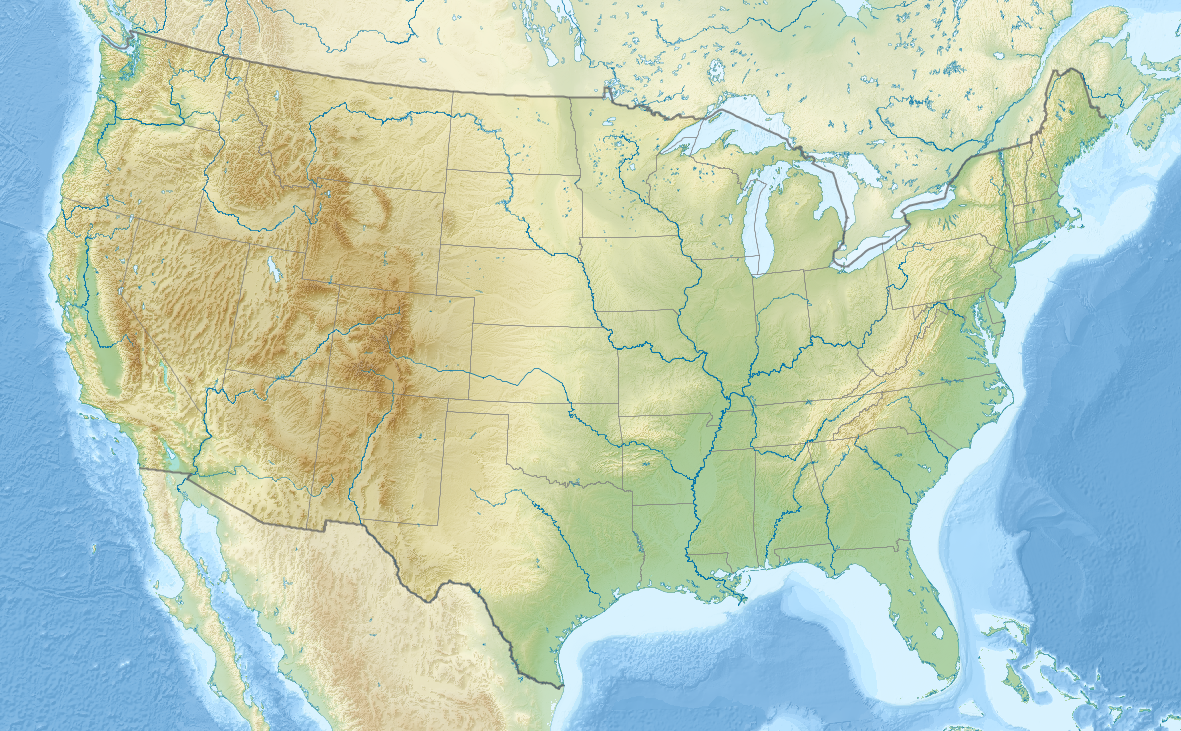
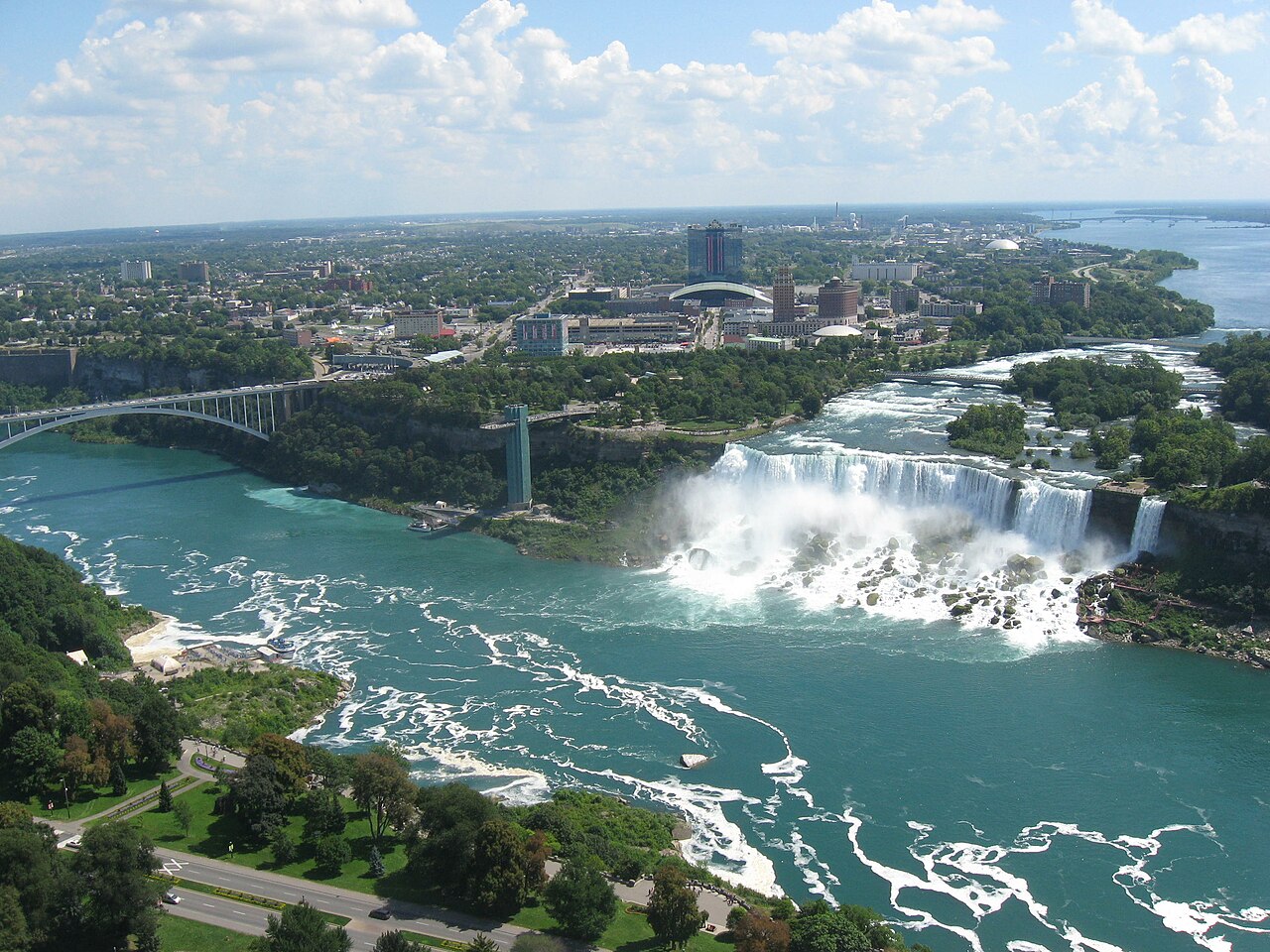
Niagara Falls is a city on the Niagara River in Niagara County, in the western part of the state of New York. It lies on the American side of the international boundary opposite the city of Niagara Falls, Ontario, and takes its name from the famous Niagara Falls waterfalls which straddle the border. The municipality is part of the Buffalo–Niagara Falls metropolitan area and the broader Western New York region.
Image gallery
10 Images


Geography and layout
The city sits at the mouth of the Niagara River where it drops over a series of cliffs to form the falls. Its location has shaped land use: a concentrated urban core near the river, residential neighborhoods extending inland, and industrial corridors and parks that follow early transportation routes. Major roadways and cross-border connections make it a gateway between the United States and Canada.
History and development
Historically the area was inhabited by indigenous peoples and later became a strategic transport and industry site because of its river and waterfalls. The modern city evolved in the 19th and early 20th centuries with growth tied to shipping, manufacturing, and the emergence of large-scale hydroelectric power projects. Census records have shown changes in population over time; for example the 2010 census recorded a population figure reported by official sources (population data), which differed from earlier counts such as the 2000 census.
Economy, tourism and uses
Tourism is a principal economic driver because visitors come to view the falls, take boat excursions, and use observation points and parks. Hydroelectric generation at nearby plants harnesses the river's energy and has influenced regional industry. Visitor services, hospitality, and cross-border retail and cultural exchange also contribute to the local economy.
Features and notable facts
- International adjacency: the city faces its Canadian namesake across the river, with bridges and crossings serving travelers and trade (city links).
- Civic and county governance: it is located within Niagara County and subject to state and national jurisdictions, including the United States.
- Recreation and conservation: municipal parks and preserved riverfront areas provide access to scenic overlooks and trails.
For general information and visitor resources consult official municipal pages and regional guides (demographic resources, natural features, local government). Historical accounts and planning documents describe how the falls shaped settlement, industry, and modern tourism in this distinctive border city.
Related articles
Author
AlegsaOnline.com Niagara Falls, New York Leandro Alegsa
URL: https://en.alegsaonline.com/art/69910
Sources
- www2.census.gov : "2016 U.S. Gazetteer Files"
- census.gov : "Population Estimates"