
Grand Rapids, Michigan — city overview and notable features
Grand Rapids is a major city in western Michigan, known for its furniture-making history, cultural institutions, parks, and role as a regional economic and educational center.
Overview
Grand Rapids is a prominent city in western Michigan, in the United States. It is the county seat of Kent County (Kent County), and for much of the 20th and 21st centuries has been one of the state’s largest population and economic centers. The city sits along the Grand River and traditionally served as a regional hub for manufacturing, trade and transportation. In recent decades Grand Rapids has diversified its economy into health care, education, small manufacturing, craft brewing and creative industries.
Image gallery
10 Images




History and development
European-American settlement grew around the Grand River in the 19th century; the city later became nationally known for furniture production and related woodworking industries, a legacy often summarized by the nickname "Furniture City." The urban core and surrounding communities matured through waves of immigration, industrial expansion and later suburban growth. The city is connected to national history as the childhood home of U.S. President Gerald Ford, and it hosts a presidential museum and related landmarks.
Economy, institutions and education
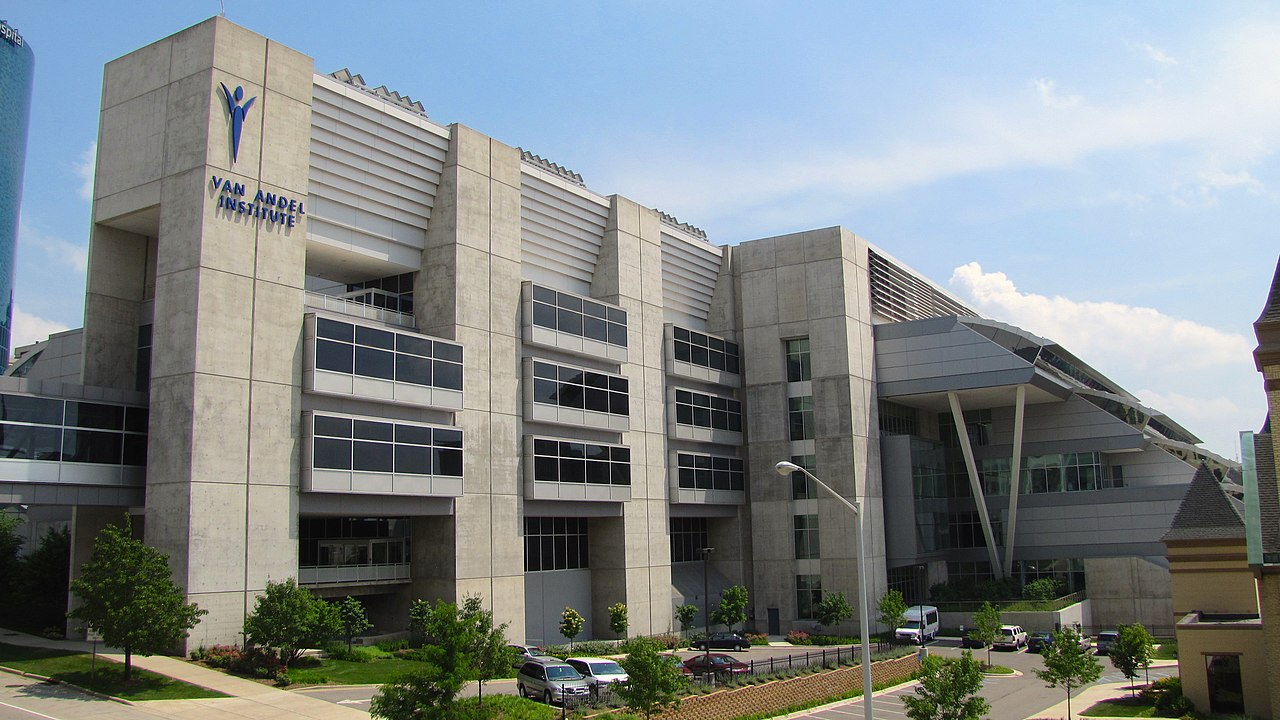
Grand Rapids’s economy blends private enterprise, health systems and education. The region was the birthplace or early home of well-known companies in direct selling and retail—most famously the company often traced to the area, Amway, and the regional retail chain Meijer. Medical centers, design and manufacturing firms, and a lively small-business scene contribute to employment. Higher education is represented by campuses and programs downtown and nearby, including a campus of Grand Valley State University, which supports research, arts programming and workforce development.
Culture, attractions and events
The city is home to several cultural institutions and green spaces. Notable sites include the Frederik Meijer Gardens and Sculpture Park, public art installations and neighborhood parks. Family attractions include the John Ball Park Zoo (John Ball Park Zoo) and a range of museums and theaters. An open, competitive art event launched in the 21st century has attracted national attention and visitors; the city also stages festivals, seasonal markets and riverfront activities that underscore its creative and civic life.
Characteristics, demographics and community life
The population is diverse, with longstanding communities of Dutch Reformed Christians and other groups whose cultures shaped local churches, schools and civic institutions; cultural and religious life remains an important part of community identity (Reformed and Dutch-American communities). The wider metropolitan area includes suburbs, industrial corridors and growing residential neighborhoods that reflect both midwestern urban patterns and contemporary revitalization efforts.
Transportation, recreation and notable facts
Grand Rapids is served by an airport, regional highways and a network of local transit routes; its location near Lake Michigan offers recreational access to lakes, trails and beaches. The city balances historic manufacturing roots with a modern emphasis on design, health care, education and the arts. Visitors and residents are drawn to its mix of museums, parks, breweries, public art and annual events that illustrate the city’s continuing evolution as a regional cultural and economic center.
- Historic nickname: "Furniture City" for its furniture-manufacturing past.
- Major attractions: Frederik Meijer Gardens, John Ball Park Zoo, downtown arts venues.
- Notable person: President Gerald Ford grew up in the area.
- Local institutions: Grand Valley State University campus and medical centers.
- Regional business origins: companies tied to the area include Amway and the Meijer retail tradition.
Related articles
Author
AlegsaOnline.com Grand Rapids, Michigan — city overview and notable features Leandro Alegsa
URL: https://en.alegsaonline.com/art/40213