
Flint, Michigan: history, industry, and public‑health challenges
Mid-sized city in east-central Michigan, birthplace of General Motors, historically an auto-industry center; noted for the 1953 tornado and the 2014 water contamination crisis that drew national attention.
Overview
Flint is a city in east-central Michigan that rose to prominence as a center of automobile manufacturing. Long associated with assembly plants, supplier networks and labor organization, Flint has experienced cycles of rapid growth, economic decline, and ongoing efforts at recovery and reinvention.
Image gallery
10 Images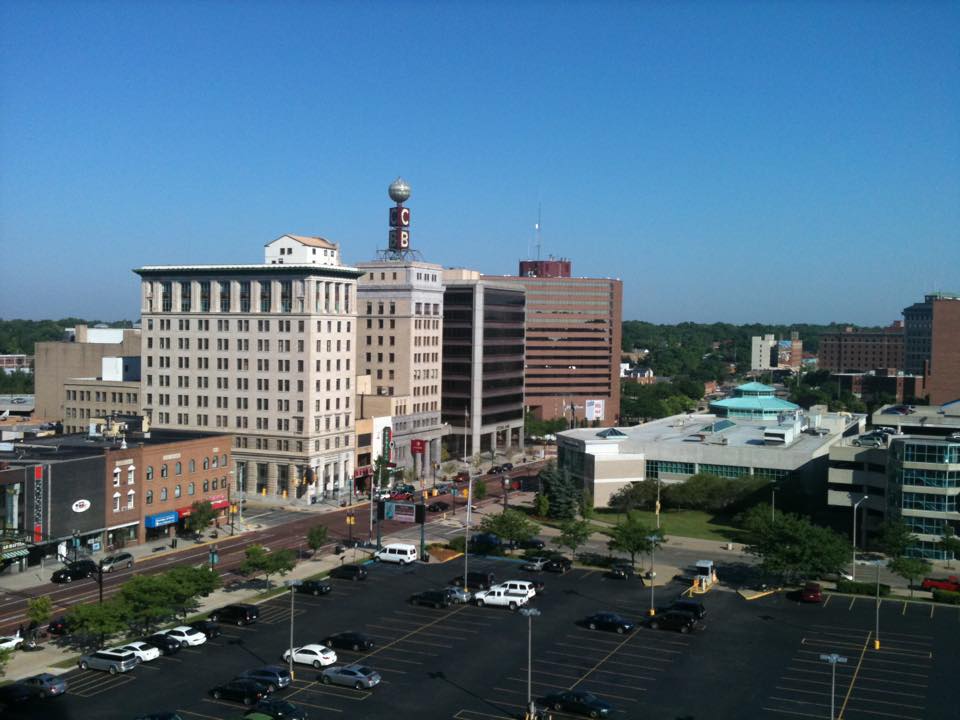


Geography and character
Located along the Flint River, the city historically served as a regional hub for industry and commerce. Its urban fabric combines older industrial districts and residential neighborhoods with pockets of downtown redevelopment. Flint is one of Michigan's larger cities and functions as the core municipality of the Greater Flint area.
History and automotive heritage
The city's modern rise is tied to the early automobile industry. Several manufacturers and suppliers operated in Flint, and it is widely recognized as the birthplace of General Motors, whose formation and growth in the early 20th century helped shape the local economy, labor movement and civic institutions. Technical schools and company-linked colleges evolved in the area to train engineers and skilled tradespeople.
Disasters and crises
Flint has endured notable disasters that affected its population and infrastructure. In June 1953 a severe tornado cut through the region and killed more than 110 people, causing widespread destruction. Decades later, the city attracted national attention again for a public‑health emergency when its municipal water supply became contaminated with lead and other hazards after a change in water sourcing in the mid‑2010s.
The Flint water crisis
The water contamination episode began when the city's water source and treatment practices changed, allowing corrosive water to leach lead from aging pipes. This produced elevated lead levels in household water, widespread public concern, and long-term health, legal and infrastructure consequences. The crisis sparked investigations, policy changes, and large-scale efforts to replace lead service lines and restore public trust in drinking water systems. For ongoing documentation and responses see coverage of the water crisis.
Culture, institutions, and landmarks
- Educational institutions: Flint hosts campuses of regional universities and specialized technical schools that contribute to education and workforce development.
- Arts and events: Cultural organizations, museums and annual events—such as regional races and community festivals—support civic life and tourism.
- Historic sites: Industrial-era architecture and preserved neighborhoods document the city's manufacturing past.
Economy, recovery and present challenges
Following late 20th-century deindustrialization and population loss, Flint's economy diversified into healthcare, education, small manufacturing and service sectors while community and public‑private initiatives pursue revitalization. Ongoing challenges include infrastructure upgrades, economic opportunity, and rebuilding trust after the water crisis; efforts to address these involve local leaders, state and federal programs, and civic organizations working toward sustainable recovery.
Related articles
Author
AlegsaOnline.com Flint, Michigan: history, industry, and public‑health challenges Leandro Alegsa
URL: https://en.alegsaonline.com/art/35127