
Lansing, Michigan — State Capital and Regional Center
Concise overview of Lansing, Michigan: the state capital located in the central Lower Peninsula, its geography, history, economy, cultural sites, and notable distinctions.
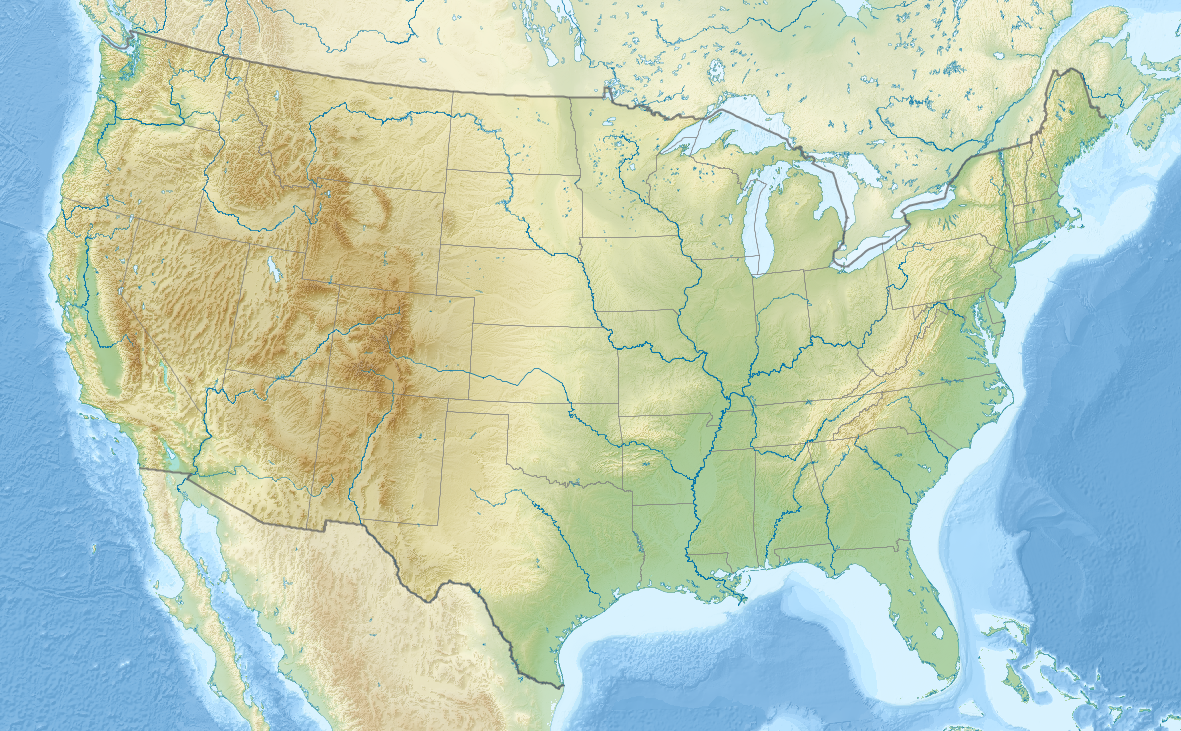
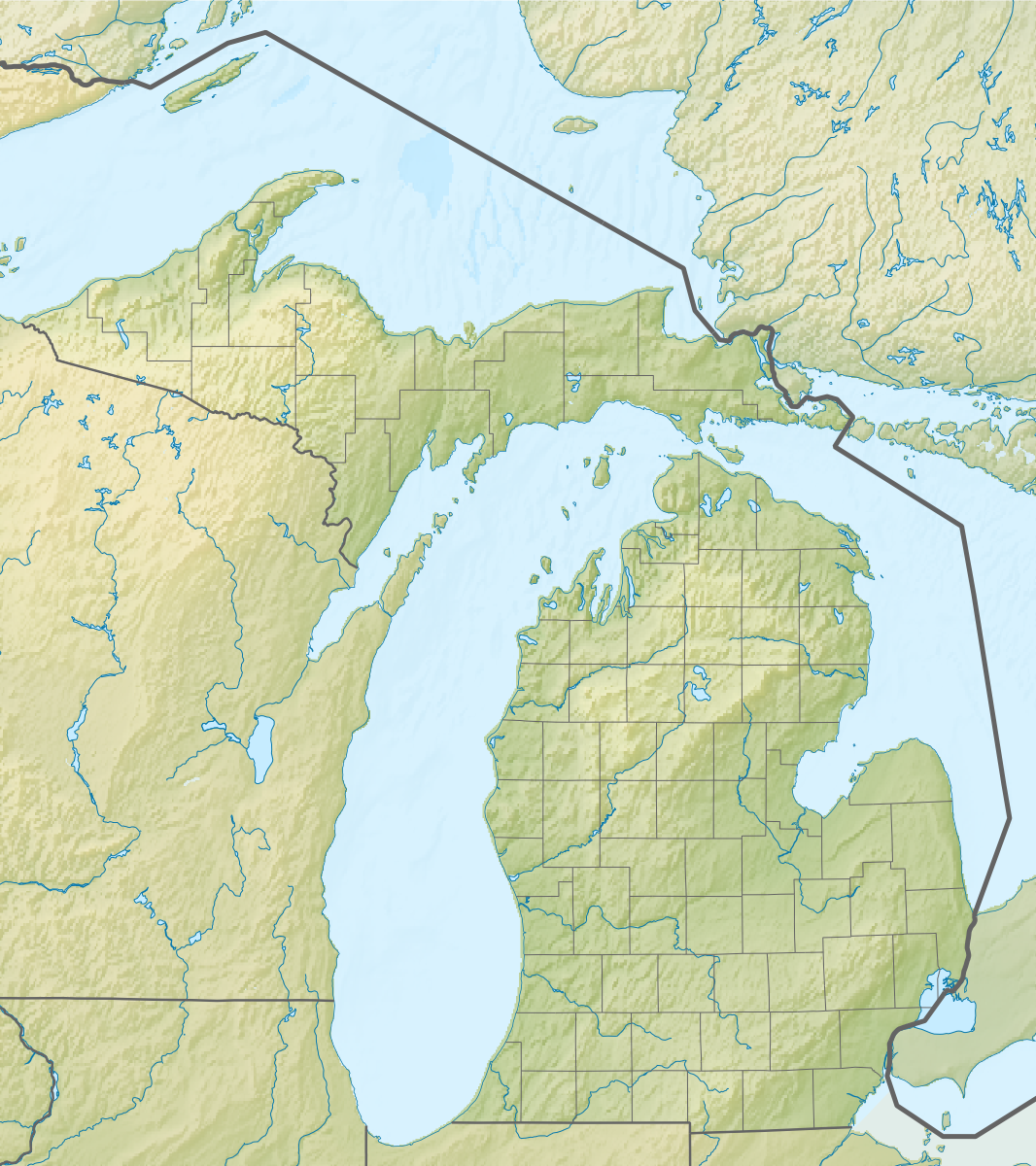
Lansing is the capital city of the United States state Michigan, located near the geographic center of the Lower Peninsula. It lies roughly an hour or two west of Detroit by car and serves as a hub for state government, education, and regional services. The city forms part of a broader metropolitan area that includes East Lansing, home to a major public university.
Image gallery
10 Images




Geography and environment
The landscape around Lansing is generally flat to gently rolling and has long been used for agriculture. The Grand River runs through the city, creating a riverfront that has been developed into parks, trails, and public spaces. Lansing's location inland produces a four‑season climate with cold winters and warm summers, typical of the Great Lakes region.
History and development
Originally a small settlement in the 19th century, Lansing was selected as the state capital in the mid‑1800s and grew as government functions concentrated there. Industrial activity, especially automobile manufacturing and parts production, further shaped the city's neighborhoods and labor force. Early auto pioneers established factories and related businesses in and around Lansing.
Economy and institutions
State government is one of Lansing's largest employers, with many departments and agencies headquartered in the city. The nearby presence of Michigan State University in East Lansing influences the local economy, providing research, cultural amenities, and a skilled workforce. Manufacturing, public administration, education, and health care remain important sectors.
Culture, attractions, and neighborhoods
Lansing offers museums, performing arts venues, festivals, and historic sites, including the state capitol complex and riverfront parks. Distinct neighborhoods range from downtown and university‑oriented districts to industrial and residential areas; some districts recall Lansing's automotive heritage, such as the area known as REO Town. Visitors can find markets, galleries, and seasonal events throughout the year.
Notable facts and distinctions
- Lansing is the state capital but not Michigan's largest city; it plays a central role in government and public administration.
- The metropolitan area includes East Lansing, which contributes educational and cultural resources.
- The city blends urban services with nearby agricultural land, reflecting its central Lower Peninsula setting and regional economy.
For more general references about the region and state, see Lansing area resources.
Related articles
Author
AlegsaOnline.com Lansing, Michigan — State Capital and Regional Center Leandro Alegsa
URL: https://en.alegsaonline.com/art/55947
Sources
- census.gov : "Population and Housing Unit Estimates"
- lansingmi.areaconnect.com : "Lansing Zip Codes, Area Code, County and more"
- factfinder2.census.gov : "American FactFinder" · web.archive.org
- geonames.usgs.gov : "US Board on Geographic Names"