
Detroit: an overview of the city's history, geography, economy, and culture
Detroit, Michigan's largest city, is known for its role in the automotive industry, its location on the US–Canada border, and its complex demographic and economic history.
Overview
Detroit is the largest city in the U.S. state of Michigan and one of the best-known American cities outside of the largest coastal metropolises. It grew into a major industrial and population center in the 20th century, largely through manufacturing and especially the automobile industry. The city lies within the United States (country) and forms the core of a larger metropolitan area whose population greatly exceeds the city's municipal population. Detroit also borders the Canadian city of Windsor, across an international crossing on the Detroit River that is among the busiest cross-border points in North America (international commerce and travel).
Image gallery
10 Images


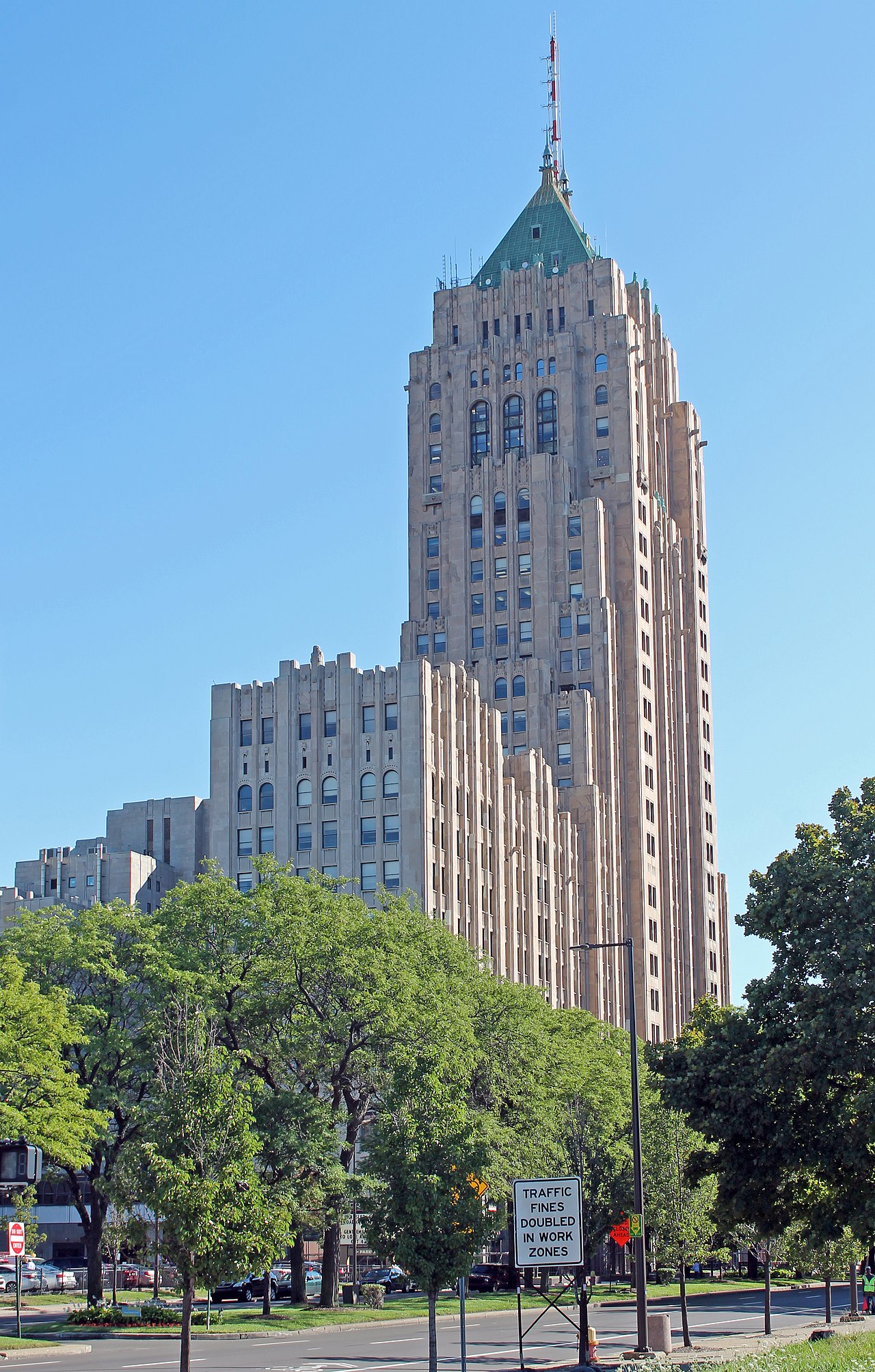


Geography and population
Positioned on the Detroit River, the city has long been a transportation and manufacturing hub. Its municipal population rose dramatically through the first half of the 20th century and declined in the late 20th and early 21st centuries as suburbanization, deindustrialization, and other social and economic changes prompted out-migration. Census counts have recorded these shifts across decades; for example the 2000 population figures and later census releases document that decrease (2000 census). The broader metropolitan region contains several million residents.
History and founding
Detroit was founded in the early 18th century by the French explorer and colonial administrator Antoine de la Mothe Cadillac. The settlement began as a fur-trading post and military outpost and developed under French, British and then American control. Michigan's territorial and early state history included periods when Detroit served as a political center; it was once the state capital during the early 19th century. The city's French roots are reflected in place names and early architecture (France).
Economy, industry, and culture
Detroit's identity is closely tied to the rise of the automobile industry: major carmakers and related suppliers established factories and corporate offices in and around the city, shaping neighborhoods, labor movements, and regional infrastructure. The economic base diversified over time to include finance, technology, education, healthcare and the arts, but the automotive sector remains central to its heritage. Cultural contributions include music scenes (notably Motown), museums, performing arts institutions and sports teams, which continue to attract visitors and influence American popular culture.
Notable events and recent developments
Like many industrial cities, Detroit faced fiscal and social challenges in the late 20th and early 21st centuries. State and local officials have taken various steps to address long-term financial distress; in 2013 the city entered a high-profile municipal bankruptcy process, the largest in U.S. municipal history at that time (bankruptcy). Recovery efforts since have included public-private redevelopment projects, neighborhood revitalization, and efforts to stabilize city services and finances.
Places of interest and distinctions
- Cross-border connections: the Detroit–Windsor relationship is important for trade and travel (Canada).
- Historic neighborhoods and commercial corridors that reflect the city’s industrial and immigrant heritage.
- Major cultural institutions, music history (including the Motown legacy), and professional sports franchises.
- Ongoing urban redevelopment and debates about governance, planning and equitable growth for residents.
This article has provided a concise but broad picture of Detroit, including its geographic setting, founding, industrial rise, cultural contributions, and recent economic challenges. For focused topics—demographic trends, transportation links, or the detailed history of the automobile industry—consult specialized sources and archival records (city resources, census materials, international trade studies, border policy analyses, and local biographies and histories like those related to founders and early settlers).
Additional reading and resources are available from municipal repositories and public libraries, and from regional museums and academic institutions that document Detroit’s changing role in American urban and industrial history (cultural resources, economic case studies).
Related articles
Author
AlegsaOnline.com Detroit: an overview of the city's history, geography, economy, and culture Leandro Alegsa
URL: https://en.alegsaonline.com/art/26927
Sources
- geonames.usgs.gov : "Detroit"
- census.gov : "Annual Estimates of the Resident Population for Incorporated Places over 100,000, Ranked by July 1, 2009 Population: April 1, 2000 to July 1, 2009"
- census.gov : "Annual Estimates of the Population of Combined Statistical Areas: April 1, 2000 to July 1, 2009"
- factfinder.census.gov : "American FactFinder"
- economist.com : "Detroit: Bankruptcy or bust"
- detroitnews.com : detroitnews.com
- writ.news.findlaw.com : "Racially-Based Suppression of the African-American Vote | FindLaw"