
Ann Arbor, Michigan
Ann Arbor is a city in southeastern Michigan, home to the University of Michigan and known for education, health care, technology, arts, and a lively downtown.
Overview
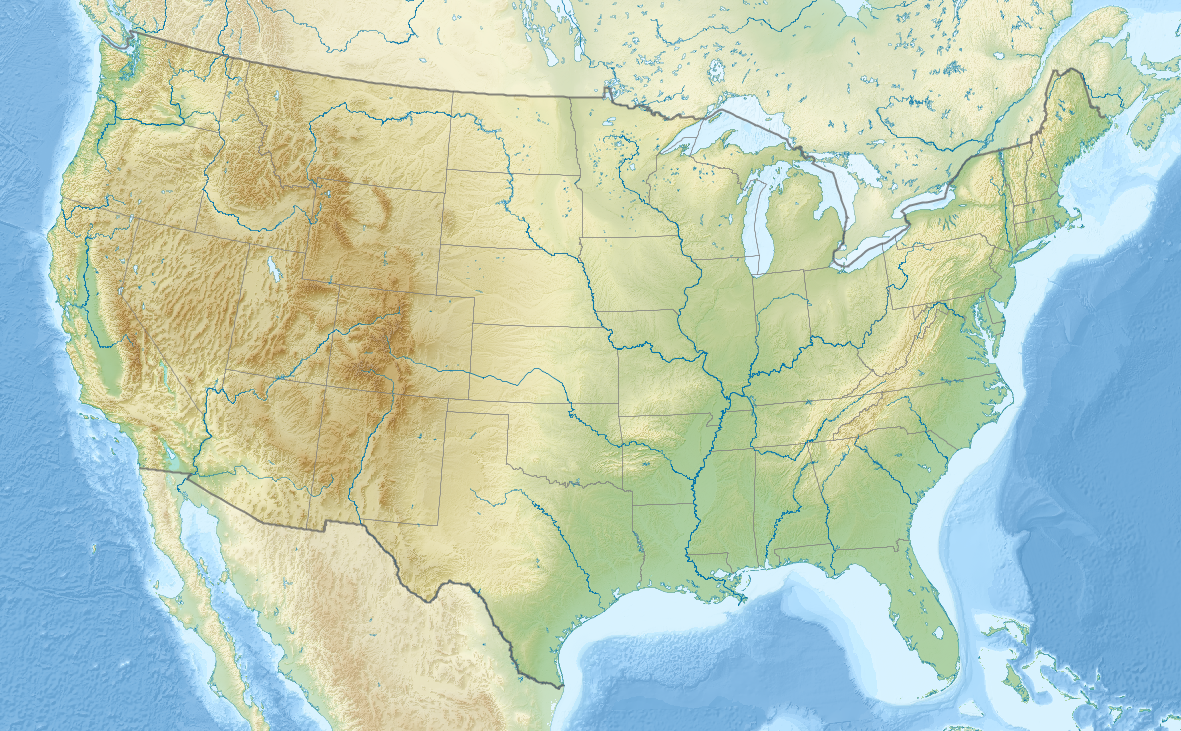
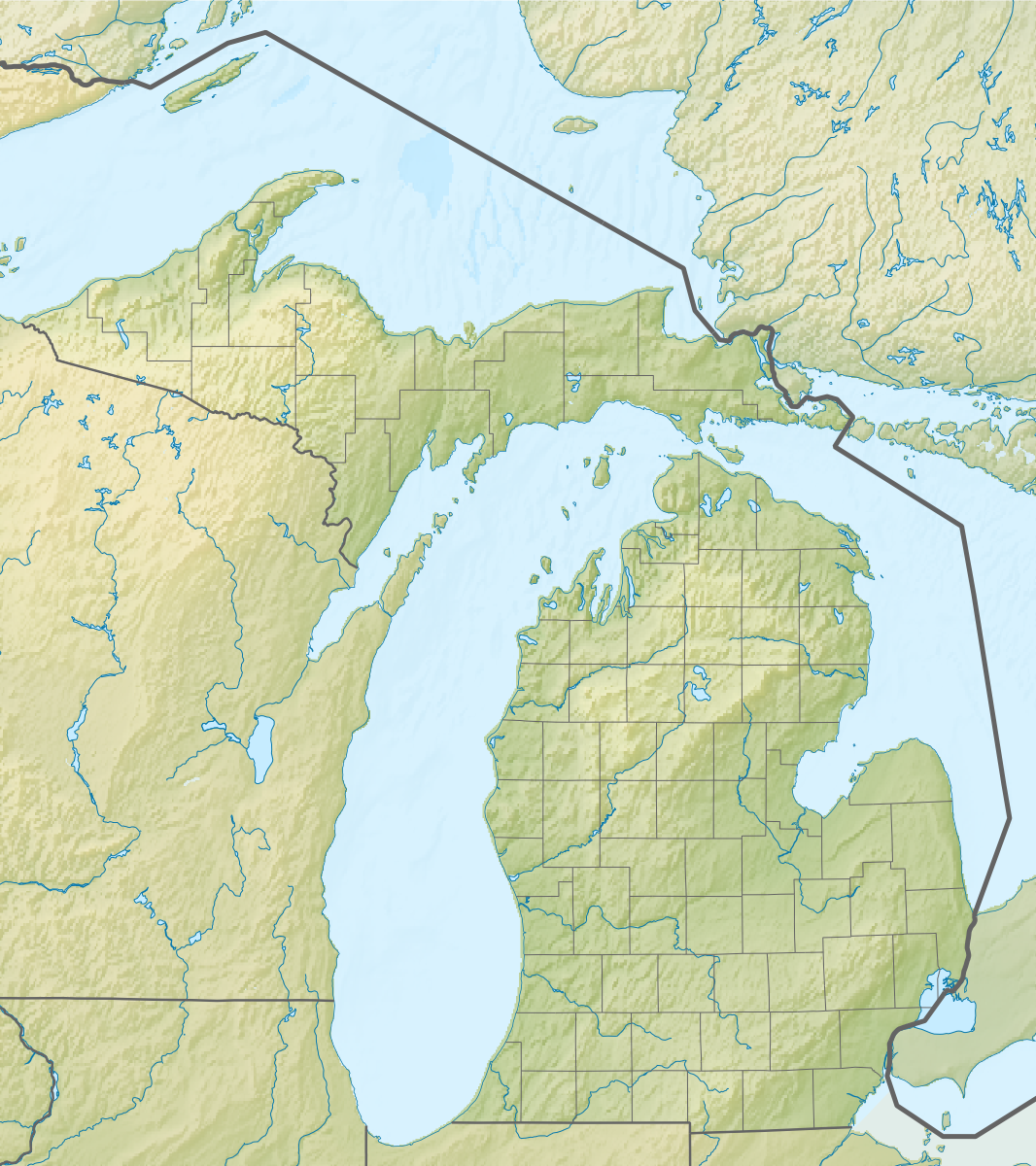
Ann Arbor is a mid-sized city in the United States, located in the state of Michigan. It serves as the county seat of Washtenaw County and functions as a regional hub for education, health care and technology. According to the 2010 United States Census, the city had a population of 113,934. Ann Arbor combines a compact downtown, neighborhoods of varied character, riverfront parks and a strong civic life centered on academic and cultural institutions.
Image gallery
10 Images




History and origins
Ann Arbor was founded in 1824 by settlers including John Allen and Elisha Rumsey; the name is commonly linked to Allen's wife, Ann, combined with the word "arbor" referring to trees or shaded groves. The young town grew steadily through the 19th century, and in 1837 the University of Michigan relocated there from Detroit, a move that shaped the city’s identity. Over the 20th century Ann Arbor expanded as the university and related institutions attracted students, faculty and professionals.
Characteristics and institutions
The university remains the city’s dominant presence: it is a major employer, a center for scholarship and a source of cultural programming. Health care provided by university-affiliated hospitals and clinics plays a prominent role in local employment and services. Ann Arbor also hosts museums, performing arts venues, independent bookstores, and annual events that reflect a mix of scholarly and grassroots activity.
- Education: The University of Michigan anchors research, degree programs and public lectures.
- Health care: University-run hospitals and clinics offer tertiary care and medical research opportunities.
- Technology and business: A skilled workforce and university partnerships support a strong local economy in high-tech and start-up sectors focused on applied research.
Culture, activism and civic life
Ann Arbor gained national attention in the 1960s and 1970s as a center of student activism, including participation in the broader Civil Rights Movement and protests against the anti-Vietnam War conflict; the city became associated with progressive and liberal politics and alternative culture. That legacy endures in a lively arts scene, annual festivals such as street fairs and film events, community gardens, and a robust network of neighborhood associations.
Recreation, neighborhoods and transport
Natural amenities include the Huron River and green spaces such as the university arboretum and riverfront parks, popular for walking, rowing and outdoor events. Notable local areas include downtown Main Street, the historic Kerrytown district, the North Campus and the residential districts that ring the university. Transportation options connect Ann Arbor to the broader metropolitan area by highway, regional rail and local bus services; an international airport serves the region nearby.
Notable features and modern importance
Today Ann Arbor balances its role as a university town with a diverse economy that draws from higher education, health care and technology. The city hosts nationally recognized collegiate sports programs and cultural institutions, while small businesses, start-ups and research centers contribute to innovation. Visitors and residents alike point to the combination of a vibrant downtown, accessible public spaces, and the intellectual life of the university as defining strengths of Ann Arbor.
For more information on specific topics related to the city—history, demographics, cultural calendars and public services—consult municipal and university resources and local historical collections. Additional reading and official resources can be found through regional and archival links: United States overview, state resources, Michigan materials, county pages at Washtenaw County, and historical census records via 2010 data. Local institutional pages include the University of Michigan and city health and research centers referenced above.
county seat founders Detroit Civil Rights anti-war politics clinics economy research
Questions and answers
Q: What US state is Ann Arbor located in?
A: Ann Arbor is located in the US state of Michigan.
Q: How many people lived in Ann Arbor according to the 2010 United States Census?
A: According to the 2010 United States Census, there were 113,934 people living in Ann Arbor.
Q: When was the University of Michigan moved to Ann Arbor?
A: The University of Michigan was moved to Ann Arbor in 1837.
Q: What caused the city not to grow during the 1800s and 1900s?
A: The only time that the city did not grow during this period was during the Depression of 1873.
Q: What important movements happened in Ann Arbor during the 1960s and 1970s?
A: During the 1960s and 1970s, Ann Arbor was an important place for the Civil Rights Movement, the anti-Vietnam War movement, and for left-wing and liberal politics.
Q: How many people work for University of Michigan Health System?
A: 12,000 people work for University of Michigan Health System which are hospitals and clinics run by university.
Q: Why do high-tech companies come to Ann Arbor?
A: High-tech companies come to Ann Arbor because there are many graduates and a lot of research and development money at the university.
Related articles
Author
AlegsaOnline.com Ann Arbor, Michigan Leandro Alegsa
URL: https://en.alegsaonline.com/art/4329
Sources
- census.gov : "US Gazetteer files 2010"
- factfinder2.census.gov : "American FactFinder"
- census.gov : "Population Estimates"
- geonames.usgs.gov : "Ann Arbor"
- clarke.cmich.edu : "Bibliography on Washtenaw County"
- city-data.com : "Ann Arbor: Introduction"