
Wheeling, West Virginia
Wheeling is a historic Ohio River city in northern West Virginia, principal city of its metro area and county seat of Ohio County, known for 19th-century industry, major bridges, and cultural institutions.
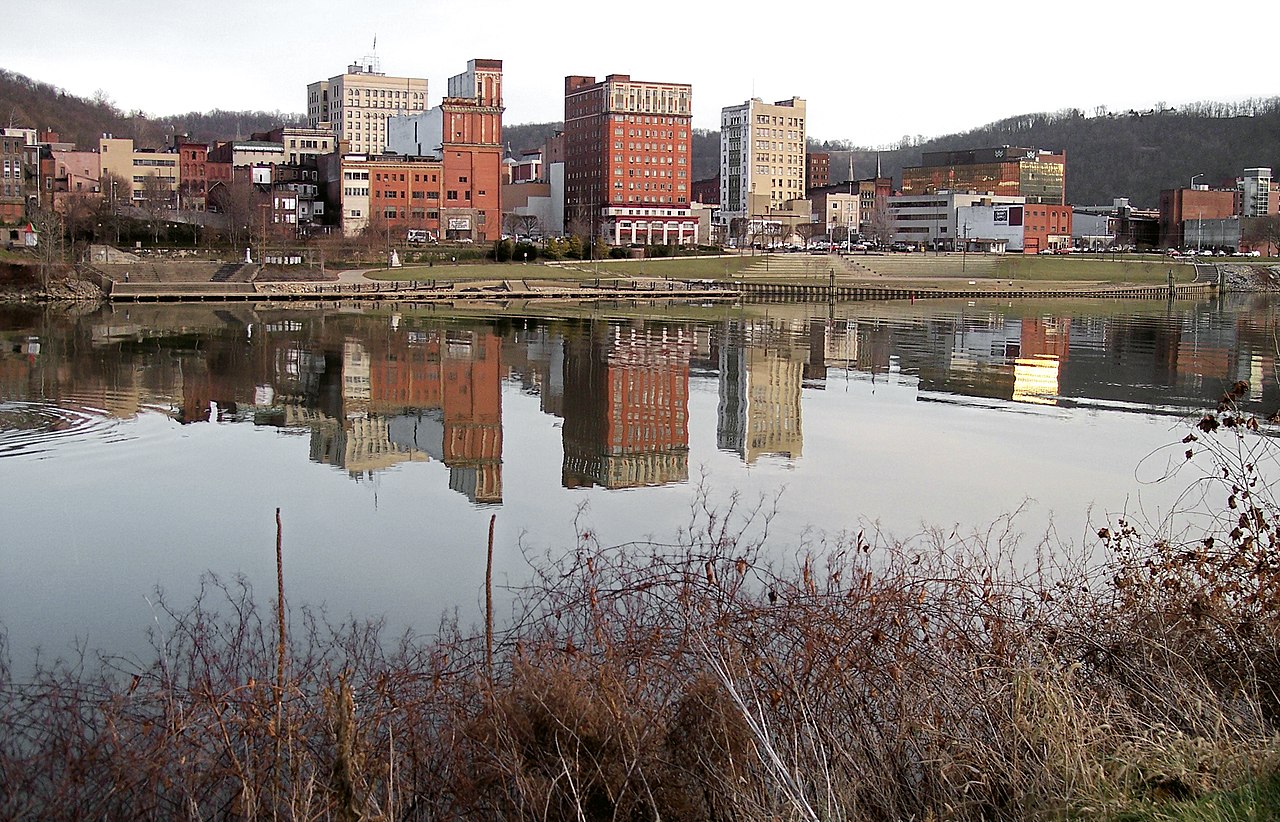
Wheeling is a river city in the eastern United States, located in the state of West Virginia. It sits along the Ohio River near the border with Ohio and serves as the principal city of the Wheeling metropolitan area. Historically a transportation hub, Wheeling grew where river, road and later rail routes converged.
Image gallery
10 Images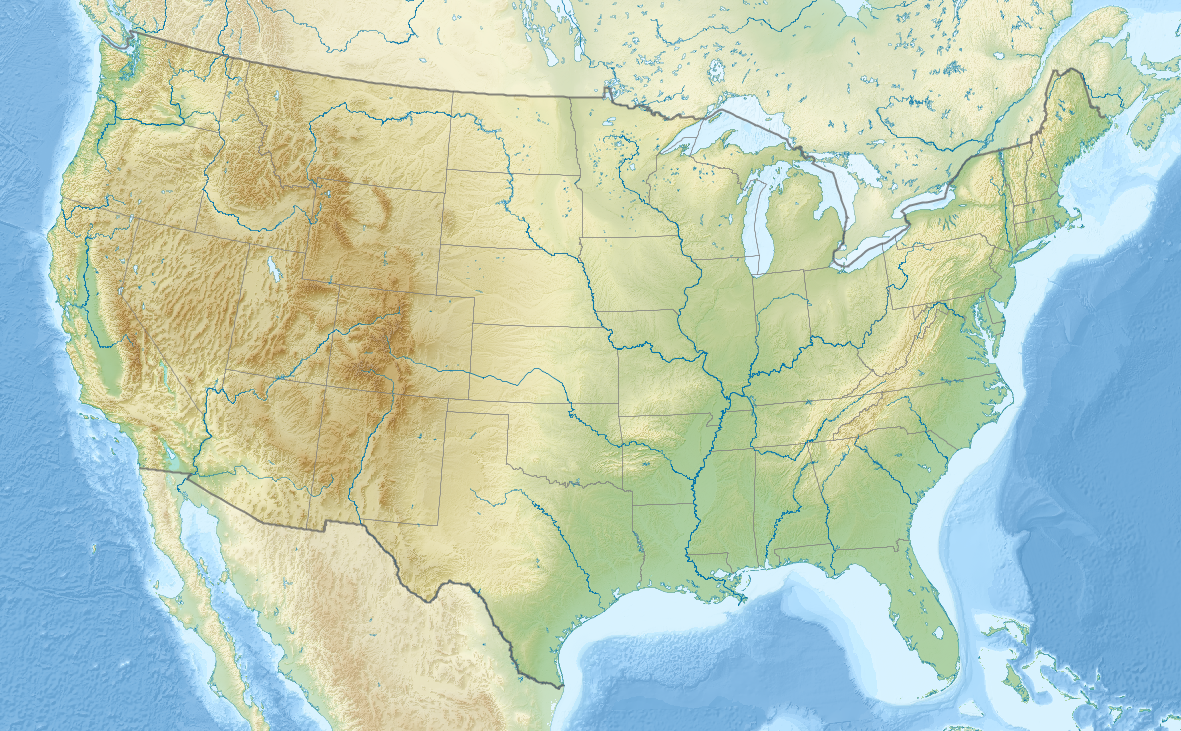



Geography and government
The municipal boundary of Wheeling crosses two counties: it lies primarily in Ohio County and extends into Marshall County. Wheeling is the county seat of Ohio County and hosts several county institutions. Its urban fabric includes a downtown riverfront, residential neighborhoods on surrounding hills, and commercial corridors along historic highways.
Population and economy
As of the 2010 census the city had just under 29,000 residents. Wheeling's economy developed in the 19th and early 20th centuries around iron and steelmaking, glass and manufacturing, and river commerce. In recent decades the local economy has diversified to include health care, tourism, light manufacturing and service industries.
History and development
Wheeling was a focal point during the mid-19th century debates over statehood and the Civil War era: conventions and political activity in the city contributed to the creation of West Virginia. Its 19th-century prosperity is visible in commercial buildings, churches and civic architecture downtown. Industrial change in the 20th century altered the local landscape, but many historic structures remain preserved.
Landmarks and culture
- Longstanding river crossings and bridges, including an early suspension bridge that became a regional landmark.
- Museums and historic sites that interpret the city's industrial past and role in state history.
- Parks, cultural organizations and seasonal festivals that anchor regional tourism and community life.
Wheeling also supports local sports and entertainment venues and institutions that serve a tri-state area. While much of its prosperity was built on 19th- and 20th-century industry, the city today emphasizes historic preservation, recreational assets, and adaptive reuse of former industrial sites.
Notable distinctions include its position as a small but historically significant urban center on the Ohio River, its status as a county seat, and its legacy in transportation and industry. Visitors and residents commonly explore downtown architecture, riverfront trails and museums that tell the story of Wheeling's role in regional history.
Related articles
Author
AlegsaOnline.com Wheeling, West Virginia Leandro Alegsa
URL: https://en.alegsaonline.com/art/107724
Sources
- census.gov : Annual Estimates of the Population of Metropolitan and Micropolitan Statistical Areas: April 1, 2000 to July 1, 2007 (CBSA-EST2007-01): 2007 Population Estimates. United States Census Bureau, Population Division. 2008-03-27. Retrieved 2008-05-16.
- factfinder.census.gov : "American FactFinder"
- geonames.usgs.gov : "US Board on Geographic Names"
- naco.org : "Find a County"