
Harrisburg, Pennsylvania
Harrisburg, Pennsylvania — state capital on the Susquehanna River with about 50,099 residents (2020). Known for its state government, riverfront, history, and regional cultural institutions.
Overview
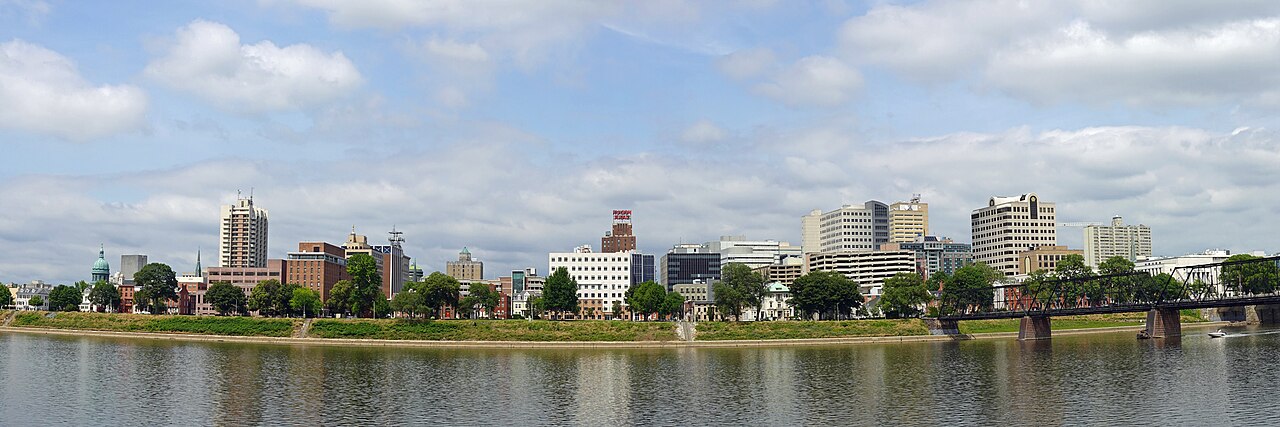
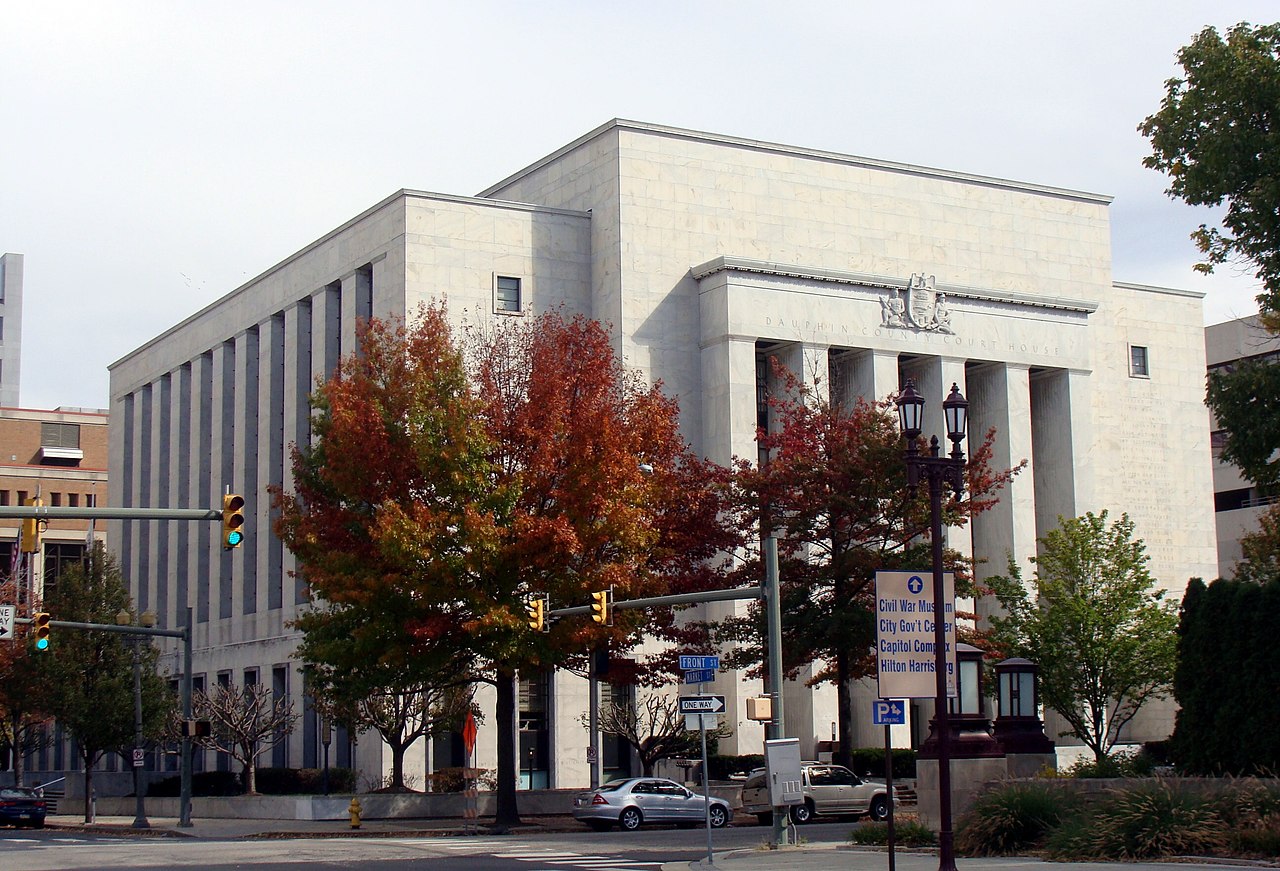
Harrisburg is the capital city of Pennsylvania and serves as the administrative center of the state. It functions as the capital for one of the four U.S. jurisdictions that describe themselves as a Commonwealth, and is part of the broader group of U.S. states. The city proper had a population of 50,099 at the 2020 United States Census and is situated on the east bank of the Susquehanna River, roughly 105 miles northwest of Philadelphia. Harrisburg is also the county seat of Dauphin County.
Image gallery
10 Images




Geography and Character
Harrisburg occupies a strategic position on the Susquehanna, which shaped its development as a transportation, commercial, and industrial hub. The city's downtown and riverfront areas contain government buildings, parks, and cultural venues. Neighborhoods range from historic districts with 19th- and early 20th-century architecture to more recent commercial and residential developments. The surrounding region includes agricultural land, suburban communities, and smaller industrial towns that contribute to the metropolitan area's economy.
History
The area now called Harrisburg was originally the homeland of Native American peoples long before European exploration. English explorer Captain John Smith recorded encounters along the Susquehanna in the early 17th century. In 1719 an English trader, John Harris Sr., established a trading post on the riverbank and the settlement that developed around his holdings was later named Harrisburg in his honor. Over the 18th and 19th centuries the town grew as a river port and transportation junction; its role as the state capital brought political institutions and public investment.
Government, Landmarks, and Institutions
As the seat of Pennsylvania government, Harrisburg contains the state capitol complex and a variety of state agencies. The Pennsylvania State Capitol building and nearby civic architecture draw visitors and serve ceremonial functions. The city hosts museums and educational institutions, including state-oriented cultural collections and several higher-education campuses such as regional university centers. Landmarks and public spaces along the riverfront are used for recreation, festivals, and community events.
Economy, Transport, and Services
Harrisburg's economy combines government employment with services, health care, education, and logistics. Its river location historically supported shipping and industry; today the area maintains freight and rail connections and benefits from proximity to major highways. Passenger and regional air travel are served by the local commercial airport. Urban redevelopment efforts in recent decades have emphasized riverfront parks, mixed-use projects, and cultural venues to attract residents and visitors.
Culture, Sports, and Notable Facts
The city supports museums, performing arts, and community festivals that reflect its regional role. Harrisburg is home to minor-league sports teams and hosts seasonal events on the riverfront. It also experienced major floods in the past century, most notably large-scale flooding associated with Hurricane Agnes in 1972, which influenced subsequent flood control and urban planning.
Quick facts and further reading
- Capital of Pennsylvania and part of the group of U.S. states that are called a Commonwealth.
- Population (city): 50,099 (2020 census).
- County seat of Dauphin County and located on the Susquehanna River.
- Early European settlement by trader John Harris Sr.; the town later took the name Harrisburg. Historic ties to figures such as William Penn appear in regional land histories.
- See also: local government and tourism resources for visiting the capitol and riverfront at links provided by municipal and state agencies (capital information, county seat resources).
For more detailed histories, demographic trends, and current government services consult official state and local sources or regional archives and museums that document Harrisburg's development and role in Pennsylvania's civic life.
Questions and answers
Q: What is Harrisburg?
A: Harrisburg is the capital city of Pennsylvania and one of the four U.S. states called a Commonwealth of the United States.
Q: How many people live in Harrisburg?
A: As of the 2020 United States Census, 50,099 people are living in Harrisburg.
Q: Where is Harrisburg located?
A: Harrisburg is located on the Susquehanna River, 105 miles (169 km) northwest of Philadelphia.
Q: What is Dauphin County?
A: Dauphin County is the county where Harrisburg is located and it is the county seat.
Q: Who made contact with the Native Americans first?
A: Captain John Smith made contact with the Native Americans in Harrisburg first in 1608.
Q: Who built the first home on the bank of the river?
A: English trader John Harris, Sr. built the first home on the bank of the river.
Q: What settlement was created by John Harris, Sr.?
A: John Harris, Sr. obtained the land from William Penn and created the settlement of "Harrisburg" named after himself.
Related articles
Author
AlegsaOnline.com Harrisburg, Pennsylvania Leandro Alegsa
URL: https://en.alegsaonline.com/art/42564
Sources
- quickfacts.census.gov : "State and county quick facts"