
Newark, New Jersey: Overview, history, neighborhoods and importance
Comprehensive overview of Newark, New Jersey: its history, wards and neighborhoods, transportation hubs, cultural institutions, parks, economy and notable facts for context and reference.
Newark is the largest city in the U.S. state of New Jersey and a major urban center in the New York metropolitan area. It serves as the county seat of Essex County and sits approximately eight miles west of Manhattan. Much of Newark’s public life is shaped by its density, its transportation links to the region, and a mixture of long-standing neighborhoods and more recently revitalized commercial districts. Largest city in New Jersey and historically an industrial port, Newark is also ranked among the larger U.S. cities by population and national standing. 65th largest city in the United States is one commonly cited placement in comparative lists.
Image gallery
10 Images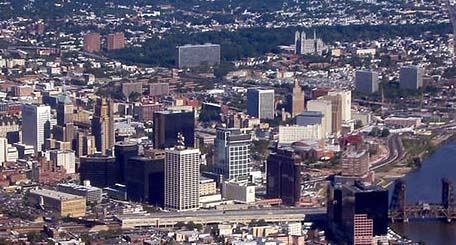


Geography, wards and neighborhoods
The municipal layout divides Newark into five political wards: North Ward, South Ward, West Ward, East Ward and Central Ward. Each ward contains multiple distinct neighborhoods. Central Ward includes the downtown core with corporate headquarters, cultural institutions and major rail connections. The East Ward includes the Ironbound, a historically Portuguese and Spanish-speaking neighborhood known for restaurants and small businesses. The South Ward is home to the major airport, and the North Ward contains large parkland and residential districts.
History and development
Newark was originally organized as a township in the late 17th century and later reincorporated as a city in the 19th century. Over time the city annexed smaller neighboring municipalities, reshaping its boundaries and civic structure. For example, the formerly independent borough of Vailsburg was annexed in the early 20th century. Newark’s growth followed the pattern of many northeastern U.S. cities: early importance as a port and manufacturing center, expansion with rail and industrial infrastructure, mid-century population and economic shifts, and ongoing phases of redevelopment and investment since the late 20th century.
Transport and infrastructure
Transportation is a defining feature of Newark. The city’s rail stations connect regional and national services; prominent terminals provide both intercity and commuter service. Central Ward contains major rail facilities and connections to long-distance and local services. Train stations in the city serve a range of operators including Amtrak and New Jersey Transit. Newark Liberty International Airport, located in the southern portion of the city, is one of the region’s principal airports and a major gateway for domestic and international flights. Newark Liberty International Airport also supports a sizable aviation-related economy and logistics network.
Culture, parks and institutions
Newark hosts several cultural venues and academic institutions that contribute to metropolitan life. Notable facilities include performing arts centers, museums and professional sports arenas, as well as campuses of public and private colleges. Urban green space includes Branch Brook Park, celebrated for its spring cherry blossoms and recognized for one of the largest seasonal displays in the nation. The park’s trees draw visitors each year during peak bloom. Branch Brook Park cherry blossoms are a seasonal highlight for residents and tourists alike.
Economy and contemporary trends
The city’s economy blends transportation and logistics, healthcare, education, and professional services. Port-related activity, airport operations, rail freight and interstate highways make Newark a regional logistics hub. Redevelopment efforts have focused on downtown housing, commercial growth, and cultural investments while municipal leaders also address challenges related to inequality, affordable housing and public safety. The city continues to balance historic neighborhoods and community identity with economic development pressures.
Quick facts and neighborhood highlights
- Administrative role: county seat of Essex County (Essex County seat).
- Proximity: about eight miles from Manhattan, making it part of the broader NYC labor and cultural region.
- Neighborhoods: Central Ward (downtown), East Ward (Ironbound), North Ward (parks and residential), West and South Wards (mixed use and airport area).
- Transport providers: intercity rail (Amtrak), regional rail (NJ Transit), local rail and bus networks, and major air service at Newark Liberty.
For further reading, municipal and regional planning documents, transit agency resources and local historical societies provide detailed maps, statistics and archival material on Newark’s development and current initiatives.
Related articles
Author
AlegsaOnline.com Newark, New Jersey: Overview, history, neighborhoods and importance Leandro Alegsa
URL: https://en.alegsaonline.com/art/69711
Sources
- www2.census.gov : 2010 Census Gazetteer Files: New Jersey County Subdivisions
- census.gov : US Gazetteer files: 2010, 2000, and 1990
- state.nj.us : 2017 New Jersey Mayors Directory
- ci.newark.nj.us : About the Director
- newarknj.gov : Office of the City Clerk
- geonames.usgs.gov : U.S. Geological Survey Geographic Names Information System: City of Newark
- factfinder.census.gov : DP-1 – Profile of General Population and Housing Characteristics: 2010 for Newark city, Essex County, New Jersey
- lwd.dol.state.nj.us : Table DP-1. Profile of General Demographic Characteristics: 2010 for Newark city
- factfinder.census.gov : PEPANNRSIP - Annual Estimates of the Resident Population for Incorporated Places of 50,000 or More, Ranked by July 1, 2016 Population: April 1, 2010 to July 1, 2016 - United States -- Places of 50,000+ Population from the 2016 Population Estimates
- factfinder.census.gov : GCT-PH1 Population, Housing Units, Area, and Density: 2010 – State – County Subdivision from the 2010 Census Summary File 1 for New Jersey
- books.google.com : Labels for Locals: What to Call People from Abilene to Zimbabwe
- tools.usps.com : ZIP codes for Newark, New Jersey
- state.nj.us : Zip Codes
- area-codes.com : Area Code Lookup – NPA NXX for Newark, NJ
- factfinder.census.gov : American FactFinder