
Youngstown, Ohio — overview, history, economy, and contemporary profile
Youngstown, Ohio, an industrial city on the Mahoning River; known for its steelmaking past, mid‑20th century population decline and ongoing efforts at economic diversification and cultural renewal.
Overview
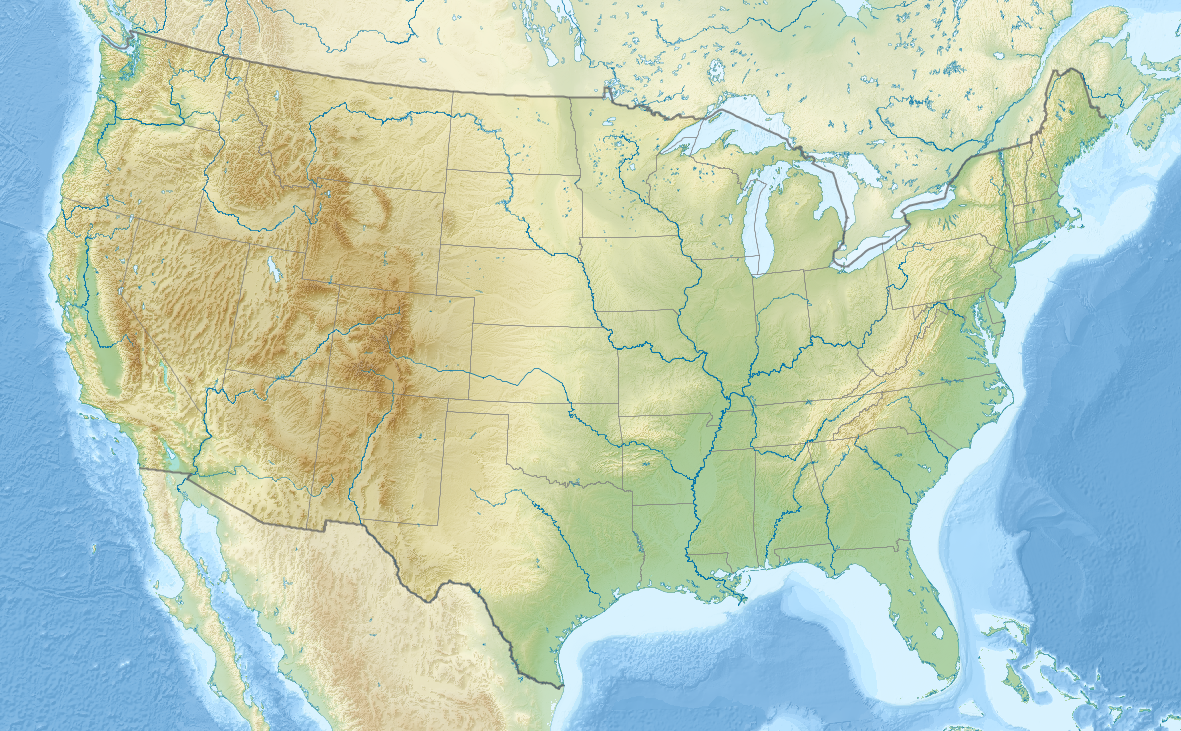
Youngstown is a city in northeastern Ohio, in the United States. It serves as the county seat of Mahoning County and extends into parts of Trumbull County. The city sits along the Mahoning River, within a corridor of towns and small cities between Cleveland and Pittsburgh. Its location near state and interstate routes has long influenced commerce, commuting and regional ties.
Image gallery
10 Images



Geography and transport
Youngstown is roughly 65 miles southeast of Cleveland and about 61 miles northwest of Pittsburgh, placing it between two larger metropolitan centers and close to the Pennsylvania state line. The city lies near major east–west highways including Interstate 80, and its riverside setting contributed to the siting of heavy industry. These connections continue to shape freight movement, regional commuting and economic interactions.
Founding and historical development
The settlement that became Youngstown was named for John Young, an early settler who established the community’s first sawmill and gristmill. Early industry and trade around those mills helped the community grow into a local market town. During the late 19th and early 20th centuries Youngstown expanded rapidly as iron and steel manufacturers located in the Mahoning Valley, drawing workers, immigrants and investment to the city and surrounding towns.
Steel era, decline, and demographics
Youngstown became widely identified with steelmaking and related industries. Like many communities in the American Midwest, it was heavily affected by the contraction of the U.S. steel industry in the 1970s and subsequent decades. The term Rust Belt is frequently applied to the region, and Youngstown is also described as part of Appalachian Ohio in cultural and planning contexts. Official counts such as the 2010 Census recorded a population of 66,982 for the city, down from mid‑20th century peaks; overall the city experienced a long-term population decline that exceeded 60% from its highest points in the 20th century. These shifts changed neighborhood composition, tax bases and municipal services.
Metropolitan area and regional relationships
Youngstown anchors the Youngstown–Warren–Boardman metropolitan area, a small MSA that spans Mahoning and Trumbull counties in Ohio and reaches into Mercer County in Pennsylvania. The Youngstown–Warren–Boardman MSA is often discussed with surrounding labor markets; according to regional reporting the MSA contains several hundred thousand residents, and some broader regional tallies include adjoining counties to describe the larger economic area. The city is sometimes viewed in relation to both the Cleveland and Pittsburgh metropolitan regions and participates in multi-jurisdictional planning efforts.
Contemporary economy and civic renewal
Since the era of heavy manufacturing, local leaders and community organizations have pursued economic diversification and neighborhood stabilization. Strategies include encouraging small business and entrepreneurship, repurposing industrial sites, strengthening education and healthcare employment, and promoting arts and cultural programming to attract visitors and support civic pride. Redevelopment efforts have emphasized both practical investments—such as infrastructure and workforce training—and efforts to rebrand and broaden the city’s economic base while acknowledging its industrial heritage.
Culture, education and institutions
The city and its region host a variety of institutions that contribute to community life: local colleges, hospitals and cultural organizations play important roles in employment and public services. Arts groups, historic preservation projects and community festivals reflect an ongoing interest in neighborhood identity and history. Libraries, archives and local museums preserve records of the city’s manufacturing past and immigrant communities.
Government, services and planning
Municipal officials, metropolitan planning bodies and county agencies coordinate on issues such as land use, economic development and public services. Youngstown participates in regional efforts to address housing, transportation and environmental remediation associated with former industrial sites. Public‑private partnerships and nonprofit groups are often central to projects that seek to stabilize neighborhoods and attract investment.
Notable sites and landscape
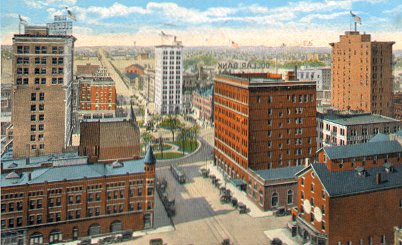
The urban landscape of Youngstown includes former mill complexes, railroad corridors, residential neighborhoods from different historical eras and parks along the Mahoning River. Some former industrial properties have been adapted for new uses, while others await investment or remain as reminders of the city’s manufacturing era. Historic districts, civic landmarks and community gardens contribute to the city’s sense of place.
Challenges and prospects
Youngstown faces challenges common to older industrial cities: population loss, vacant properties, fiscal pressures and the need to cultivate new job opportunities. At the same time, community leaders emphasize local assets—skilled labor, cultural institutions, educational partnerships and affordable land—that can support targeted redevelopment. Successful strategies combine attention to neighborhood needs, workforce development and investment that builds on local strengths.
Quick facts
- City: Youngstown in Ohio, United States
- County seat of: Mahoning County (county seat)
- Also extends into: Trumbull County
- Nearby regional centers: Cleveland, Pittsburgh
- Region: part of the Rust Belt and Appalachian Ohio
- Named for: John Young (early settler; established local sawmill and gristmill)
- Major route: Interstate 80
- Metropolitan area: Youngstown–Warren–Boardman MSA (includes Trumbull County and Mercer County in Pennsylvania)
- Data reference: U.S. Census
- City metropolitan context: Youngstown regional and metropolitan area
For further reading and local resources, consult municipal planning reports, regional economic studies and local archives that document Youngstown’s industrial era, demographic change and current redevelopment strategies. Local institutions and historical societies offer detailed histories and primary documents for those seeking more in‑depth study.
Questions and answers
Q: What is Youngstown?
A: Youngstown is a city in Ohio, United States. It is the county seat of Mahoning County and part of it is also in Trumbull County.
Q: Where is Youngstown located?
A: Youngstown is about 65 miles (105 km) southeast of Cleveland and 61 miles (100 km) northwest of Pittsburgh, Pennsylvania. It is 10 miles (16 km) west of the Pennsylvania state line and midway between New York City and Chicago via Interstate 80.
Q: Who founded Youngstown?
A: The city was named for John Young, an early settler from Whitestown, New York who started the town's first sawmill and gristmill.
Q: What region does Youngstown fall within?
A: Youngstown falls within the Appalachian Ohio region, among the foothills of the Appalachian Mountains. Additionally, it is often thought of as part of the Pittsburgh Tri-State area and Greater Cleveland.
Q: How has the steel industry affected Youngstown?
A: The town was known as a center for steel making but when U.S. steel industry fell into decline in 1970s, towns in this area did not have much business afterwards which forced them to change their economy structure.
Q: What was the population according to 2010 census?
A: According to 2010 census, there were 66,982 people living in Youngtown which made it Ohio's ninth largest city with a decline of over 60% since 1960s.
Q: How many people are included in Steel Valley area as a whole? A:The Steel Valley area as a whole has 763,207 residents according to 2010 Census
Related articles
Author
AlegsaOnline.com Youngstown, Ohio — overview, history, economy, and contemporary profile Leandro Alegsa
URL: https://en.alegsaonline.com/art/110097
Sources
- factfinder2.census.gov : "American FactFinder"
- census.gov : "Population and Housing Unit Estimates"
- geonames.usgs.gov : "US Board on Geographic Names"
- naco.org : "Find a County"
- census.gov : "Subcounty population estimates: Ohio 2000–2006"
- cleveland.com : "'The Tech Belt Initiative' to link Cleveland, Youngstown, Pittsburgh to share gains, dollars"
- ysu.edu : "Communities along the Mahoning River"
- census.gov : "Annual Estimates of the Population of Combined Statistical Areas: April 1, 2000 to July 1, 2007"
- census.gov : "US Gazetteer files 2010"
- nws.noaa.gov : "NowData - NOAA Online Weather Data"
- erh.noaa.gov : "Youngstown, OH Climate"
- commons.wikimedia.org : Youngstown, Ohio