
Porcupine caribou (Grant’s caribou): overview, migration, and cultural importance
Porcupine caribou (Rangifer tarandus granti) are a northern tundra caribou population that migrates between Alaska and northwestern Canada. This article summarizes identity, behavior, range, cultural ties, and conservation issues.
Porcupine caribou (often called Grant’s caribou; scientific name Rangifer tarandus granti) are a well-known population of tundra caribou that range across northeastern Alaska and adjacent areas of northwestern Canada. The group is commonly called the Porcupine herd after the Porcupine River, which flows through a large portion of their range. Whether treated as a distinct subspecies or as part of the wider barren-ground caribou complex, these animals are a defining element of Arctic and subarctic ecosystems.
Image gallery
5 Images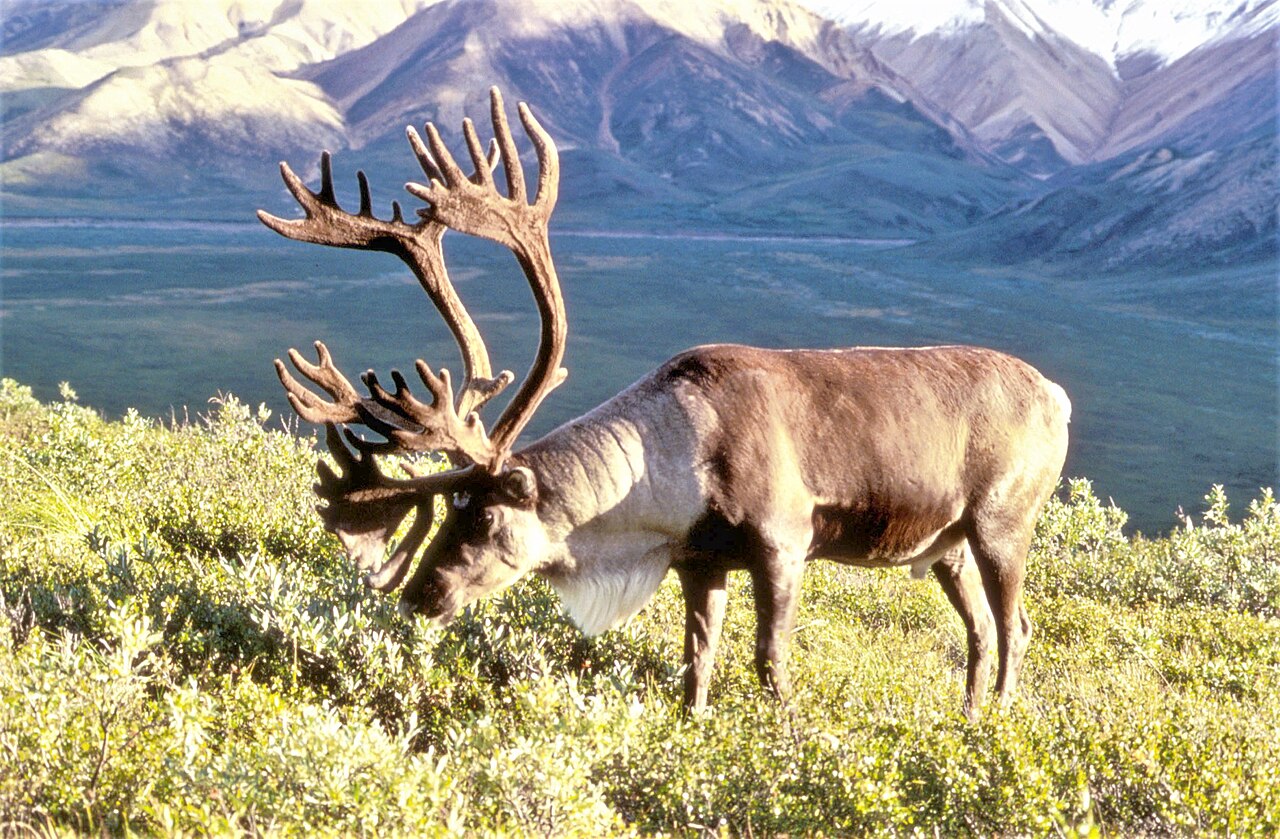


Identity, appearance and taxonomy
Porcupine caribou are members of the deer family and are closely related to other caribou and reindeer. Taxonomic treatments vary: some authorities recognize them as the subspecies Rangifer tarandus granti, while others include them in the barren-ground caribou grouping. In the field they resemble other tundra caribou—medium to large ungulates with seasonal coat color changes (lighter in winter), and both males and females typically carry antlers for part of the year. Their hooves are wide and concave, adaptations that aid travel on snow and soft tundra.
Range and seasonal migration
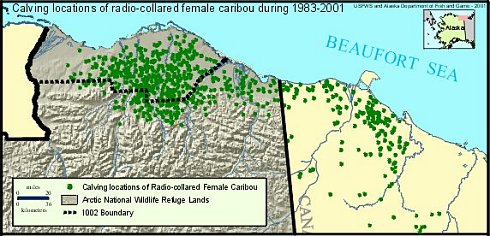
The Porcupine herd is renowned for its long-distance seasonal migrations. Each year animals move between inland wintering areas and coastal calving grounds along the Beaufort Sea, traversing roughly 1,500 miles (about 2,400 km) on an annual circuit. These movements make the herd one of the longest terrestrial migrations known. Calving areas are concentrated on the Arctic coastal plain and adjacent lowlands, with important travel corridors along river valleys such as the Porcupine River. Their transboundary range crosses the Alaska–Yukon border and extends into parts of the Northwest Territories.
Reproduction, calves and life cycle
Female caribou typically give birth to a single calf each year on the calving grounds in late spring. Calves grow rapidly and are able to travel with the herd within days of birth. Survival of calves in the first weeks and months is a key factor influencing overall herd numbers; mortality can be affected by weather, predation, and the availability of high-quality forage near calving areas.
Diet and predators
Porcupine caribou feed on a seasonal mix of lichens, grasses, sedges and woody shrubs. In winter they may rely more heavily on lichens and whatever browse is accessible beneath snow. Predators include wolves and bears (both grizzly and, in coastal areas, occasionally polar bears), and avian predators such as golden eagles that may take young calves. Predation, weather extremes and forage availability all combine to influence herd dynamics.
Cultural importance and subsistence
The herd is central to the cultural life and food security of several Indigenous peoples whose territories overlap its range. The Gwichʼin are particularly associated with the Porcupine herd and maintain strong cultural, spiritual and nutritional ties to the caribou. Other groups that harvest and steward the herd include the Inupiat, Inuvialuit, Hän and Northern Tutchone. Subsistence harvests supply protein and nutrients to remote communities and sustain traditional skills, ceremonies and knowledge passed between generations.
Management, research and conservation
Because the herd crosses an international border, management is a cooperative effort involving federal and territorial/state agencies in the United States and Canada, together with Indigenous governments and organizations. Co-management arrangements and joint monitoring programs work to combine scientific surveys with Indigenous knowledge to track population trends, calf survival and migration routes. Conservation concerns include the potential effects of climate change on snow and vegetation patterns, disturbance from industrial activity, and any loss of access to key calving or migratory corridor habitats. Protecting connectivity between seasonal ranges has been a recurring theme in management discussions.
Notable facts and resources
- The herd is named after the Porcupine River, which flows through much of its range.
- Porcupine caribou range across parts of Alaska and adjacent regions of Canada.
- The herd’s movement is a classic example of migratory behavior in large mammals.
- Animals that travel together are typically referred to as a caribou herd.
- Herds are often identified by their calving or birthing areas.
- Annual migrations link inland winter ranges with coastal calving areas on the Beaufort Sea.
- The Porcupine herd’s migration is among the longest recorded for any land mammal.
- The herd’s range crosses the Yukon–Alaska border, so international cooperation is essential.
- Indigenous peoples including the Gwichʼin maintain deep cultural and subsistence ties to the herd.
Readers interested in further details can consult governmental wildlife agencies, Indigenous co-management organizations and peer-reviewed studies for survey reports, management plans and ecological analyses. Those sources typically cover topics such as population monitoring methods, calf recruitment rates, predator–prey relationships, and adaptive management measures intended to support both the herd and the communities that depend on it.
Related articles
Author
AlegsaOnline.com Porcupine caribou (Grant’s caribou): overview, migration, and cultural importance Leandro Alegsa
URL: https://en.alegsaonline.com/art/78144